The Brain Aid Needs You (BANY) alliance marks its 100th public education event
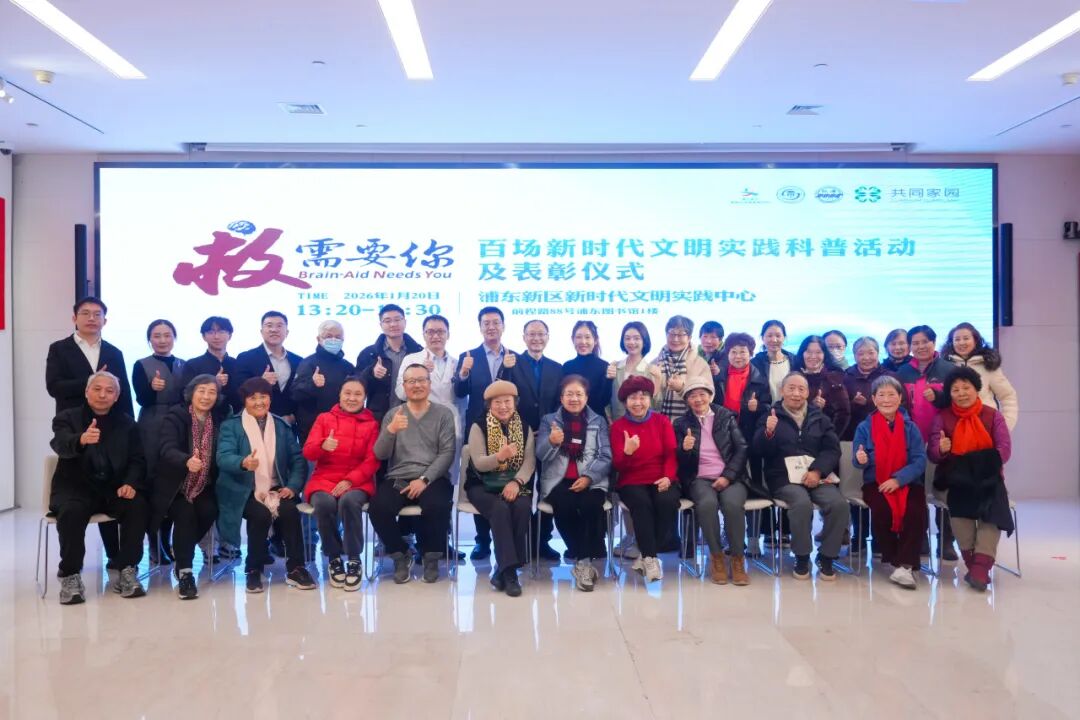
On 20 January, the Brain Aid Needs You (BANY) celebration of 100 New Era Civilisation Practice public education activities and its recognition ceremony took place at the Pudong New Area New Era Civilisation Practice Centre. Guided by Pudong's Office for the Promotion of Spiritual Civilisation, it was jointly organised by Renji Hospital Neurosurgery, the Student Affairs Steering Committee of Shanghai Jiao Tong University School of Medicine and Shanghai Common Home Community Public Welfare Development Centre. The event presented the programme's 2025 achievements, recognised outstanding lecturers, launched its WeChat mini programme, announced the 2026 education plan and held the 100th themed public education activity.
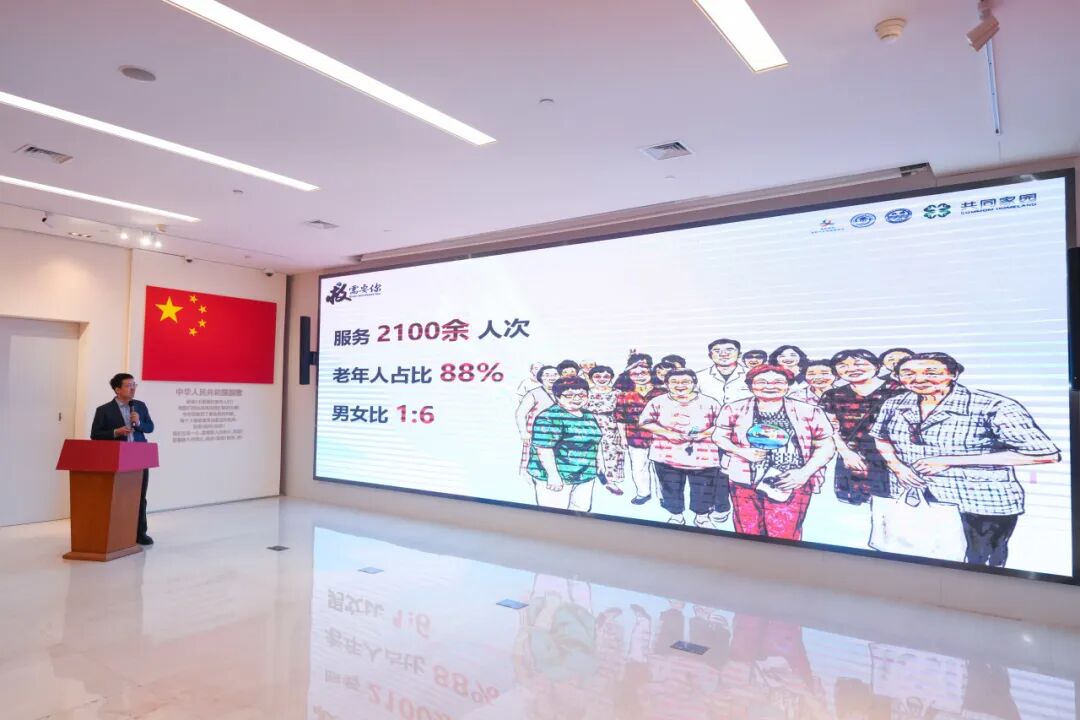
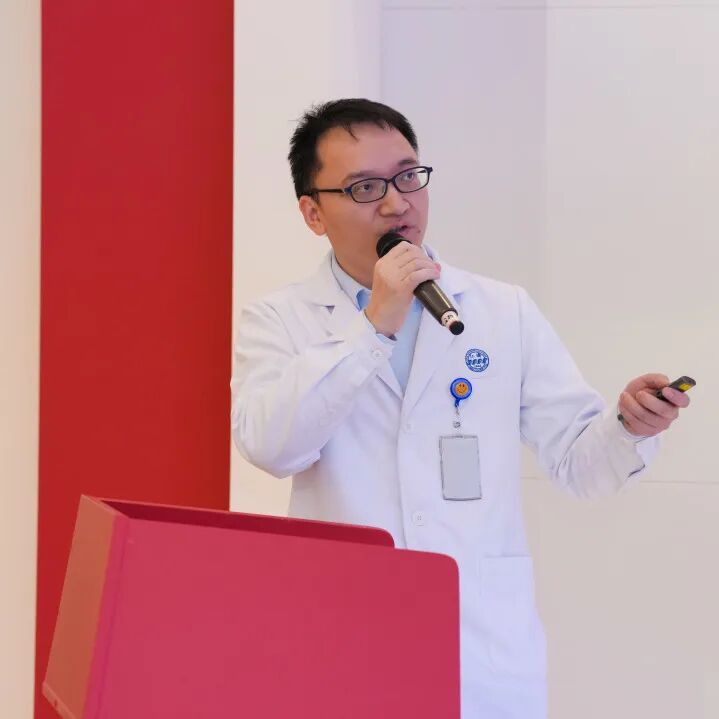
During the presentation of the 2025 results, Renji Neurosurgery Department Director Junfeng Feng explained that, one year after its establishment, the alliance had served more than 2,100 participant visits, with older adults accounting for 88%. It had held 99 activities lasting more than 4,500 minutes in total, covering 12 subdistricts and eight towns in Pudong. Responding to community older adults' needs, it had developed and iteratively refined eight versions of its course system. Feng said that the value of emergency education lay not in giving many talks, but in someone responding correctly when it mattered: “We have kept doing this for a year because we want to translate professional emergency response essentials into actions everyone can understand, remember and perform. Treatment needs more than doctors in hospitals. Often its first step depends on each of you at the scene of an emergency outside the hospital!”
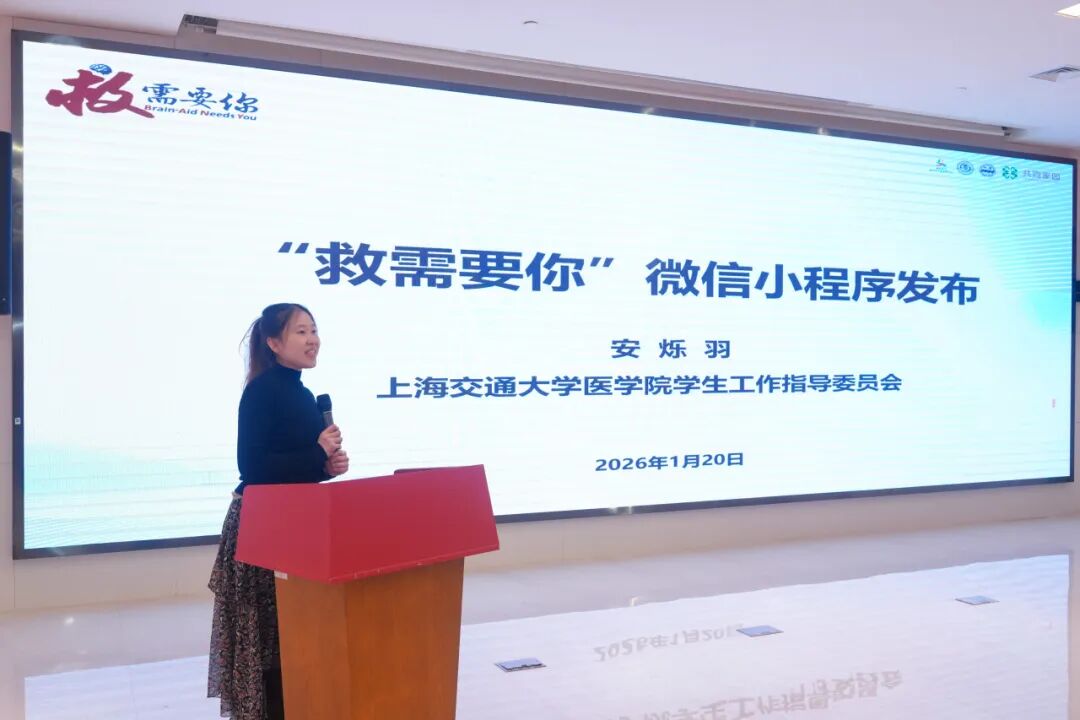
The alliance uses technology to support health education, and the launch of its WeChat mini programme attracted considerable attention. Built around “self-learning, mutual learning and shared learning”, it provides questionnaires, follow-up exercises and feedback to move people from understanding emergency skills to using them. Four systems—content, assessment, points and volunteers—connect online learning with volunteering.
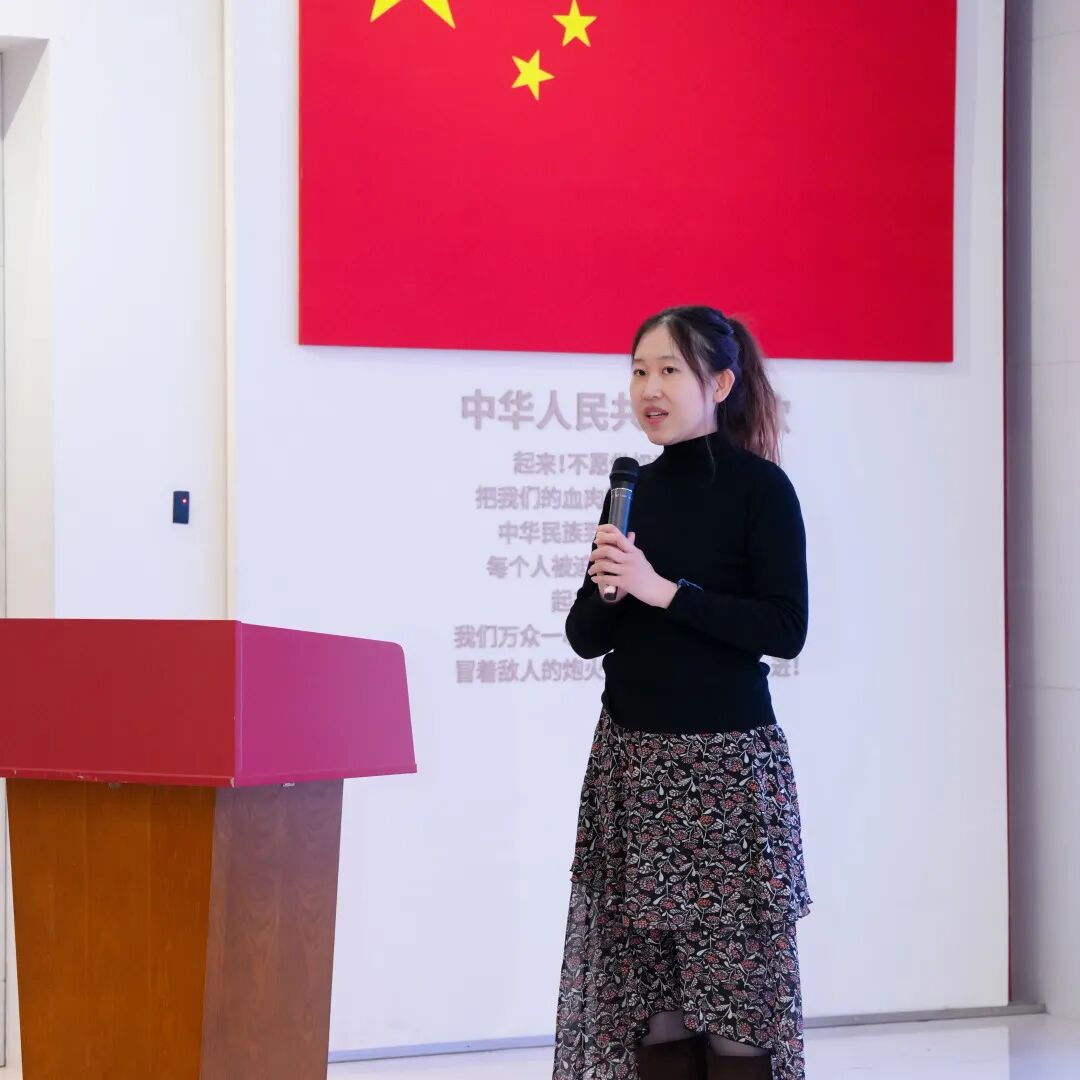
Shuoyu An of the medical school's Student Affairs Steering Committee explained that the mini programme was designed to extend in-person education into daily life and turn a single lesson into continuing reinforcement. “We do not just want people to find the lecture useful that day. We hope they will remember it three days or three weeks later and really use it when something happens.”


Access to the programme's mini programme was provided in the original article.
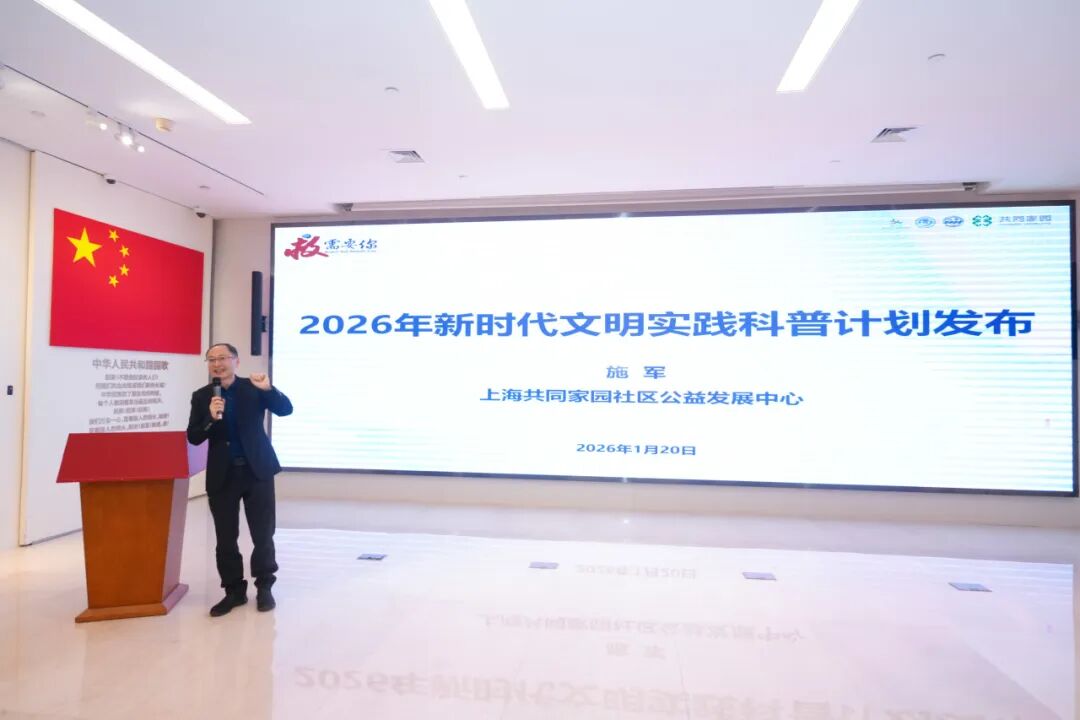
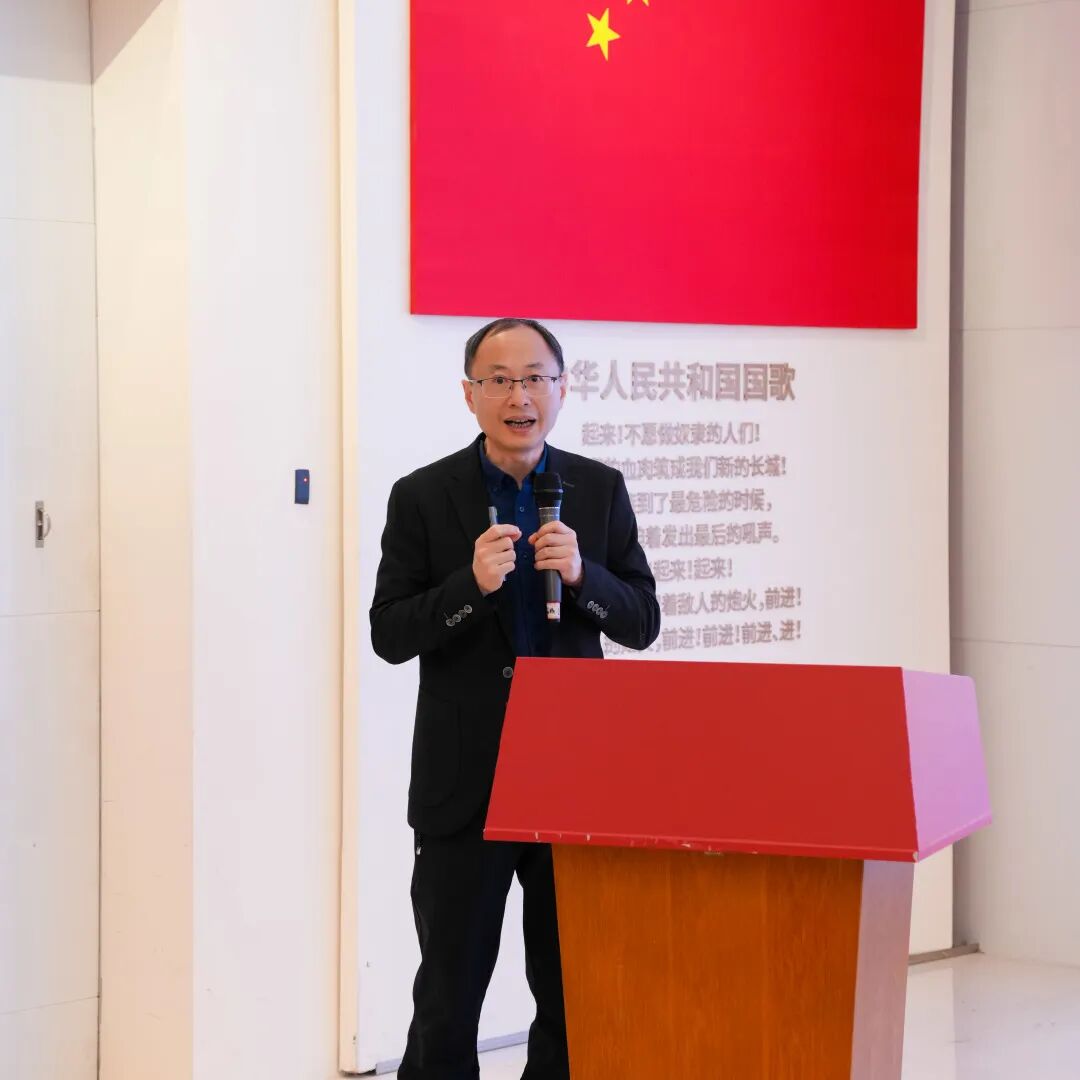
Jun Shi, Director of Shanghai Common Home Community Public Welfare Development Centre, announced the alliance's 2026 plans. The programme will explore new multimodal education combining audiovisual explanations, simulations, technology and creative cultural products. It will connect charitable resources across communities, universities, hospitals and industry to make public education simpler and more sustainable. Shi called for prehospital emergency response education for acute cranial conditions to reach more communities and households, enabling more people to protect the golden window for saving life.
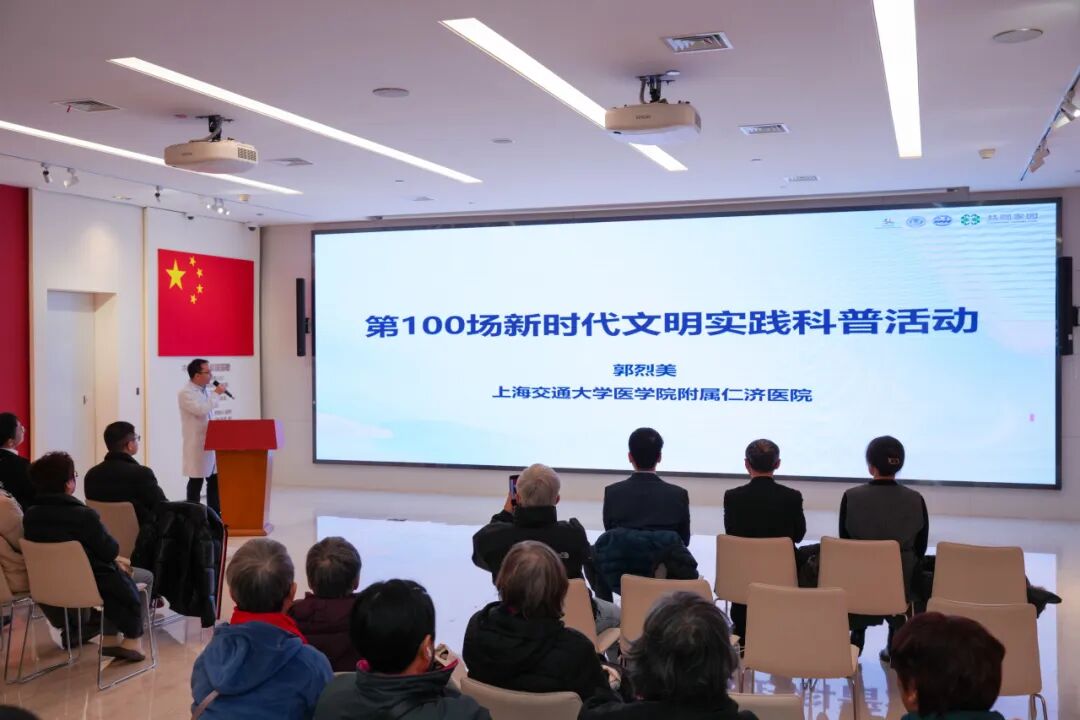
The 100th activity then addressed accidental injury scenarios that residents were most concerned about and most likely to encounter. Liemei Guo, an associate chief physician in Renji Neurosurgery, spoke on responding to seizures after head injury. In accessible language, she explained “protect first, assess next and call for help promptly”, warning against common mistakes such as forcibly restraining someone, putting objects in their mouth or moving them without due assessment. She advocated scientifically informed, appropriate assistance while ensuring safety. Interactive questions and reminders helped residents turn emergency knowledge into practical skills they could remember, learn and share.
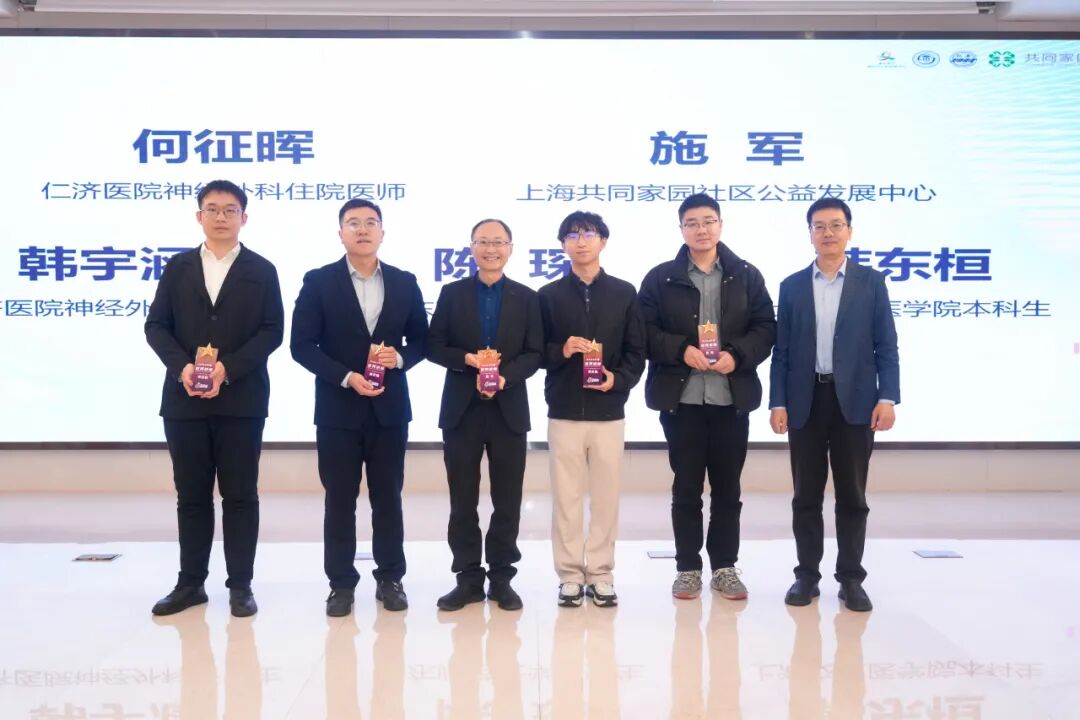
The event also recognised outstanding public education lecturers Zhenghui He, Yuhan Han, Jun Shi and Chen Chen, thanking these volunteers for their selfless contributions during the previous year.
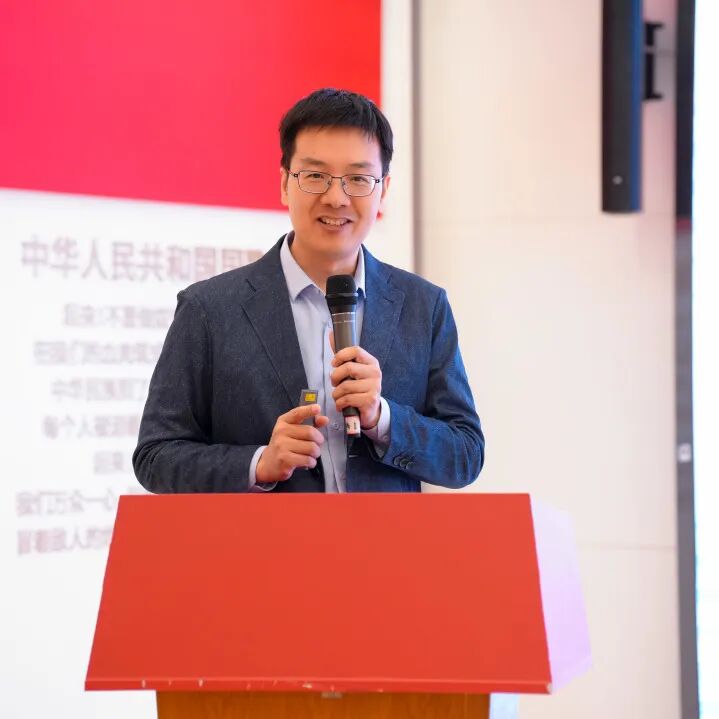
Using New Era Civilisation Practice venues, the alliance continues to bring professional emergency knowledge to communities, schools and key groups, turning one-off lectures into regular learning. It will further integrate medical expertise, university resources and community platforms, diversify its communication and extend coverage. The aim is to enable more residents to learn emergency skills, use them and have the confidence to help, contributing to a Healthy China.
1月20日,“救需要你”百场新时代文明实践科普活动暨表彰仪式在浦东新区新时代文明实践中心举行。活动由浦东新区精神文明建设办公室指导,上海交通大学医学院附属仁济医院神经外科、上海交通大学医学院学生工作指导委员会、上海共同家园社区公益发展中心联合主办。现场依次进行2025年度“救需要你”成果发布、优秀科普讲师表彰、“救需要你”微信小程序发布、2026年科普计划发布,并开展了第100场主题科普活动。
在2025年度“救需要你”成果发布环节,仁济医院神经外科科主任冯军峰介绍,“救需要你”科普行动公益联盟成立一周年之际,已服务2100余人次,老年人占比88%;累计开展99场科普活动、总时长4500余分钟,覆盖浦东12个街道、8个镇,并围绕社区老年人需求持续迭代形成8版科普课程体系。冯军峰主任表示,急救科普的价值不在“讲得多”,而在“关键时刻有人能做对”,“我们一年来坚持做这件事,是想把专业的急救要点翻译成每个人都听得懂、记得住、做得到的动作。救治不仅需要医院里的医生,很多时候,救治的第一步是需要在医院外发病现场的每一个你!”
“救需要你”坚持以科技反哺健康科普,微信小程序一经发布便成为现场关注焦点。小程序围绕“自我学习、互相学习、分享学习”的学习路径,配套问卷、课后练习与反馈机制,推动急救知识从“听懂”走向“会用”,并以内容、评估、积分、志愿者四大系统形成线上学习与志愿服务的闭环支撑。上海交通大学医学院学指委安烁羽老师在发布中介绍,小程序的设计目标就是把线下科普延伸到日常、把一次学习变成持续巩固。“我们不希望大家只在讲座那天‘觉得很有用’,更希望三天后、三周后你还记得住,遇到情况真的能用上。”
长按上图前往“救需要你”小程序
上海共同家园社区公益发展中心主任施军代表“救需要你”科普行动公益联盟发布了2026年的计划。2026年“救需要你”将探索“多模态科普新模式”,推动视听讲解、模拟演练、科技反哺与创意文创融合,同时串联“社区—高校—医院—产业”公益资源,让科普更加简单、更可持续。施军主任在现场发出倡议:“把颅脑急症院前急救讲进更多社区、带进更多家庭,让更多人守住生命的黄金时间。”
随后,第100场“救需要你”科普活动围绕群众最关心、最常遇到的意外场景展开。仁济医院神经外科副主任医师郭烈美以“脑外伤后抽搐如何处理”为主题,用通俗语言讲清“先保护、再评估、及时呼救”的现场处置要点,提醒公众避免“强行按住、往口中塞物、盲目搬动”等常见误区,倡导在确保安全的前提下科学施救、规范救助。活动还设置互动问答与要点提示,帮助市民把急救知识转化为可记、可学、可传播的生活技能。
当天活动还对优秀科普讲师(何征晖、韩宇涵、施军、陈琛)进行表彰,感谢志愿者讲师们在过去一年当中的无私奉献。
“救需要你”科普行动依托新时代文明实践阵地,持续将专业急救知识送到社区、学校和重点人群身边,推动健康科普从“讲一次”走向“常态学”。下一步,“救需要你”将继续整合医疗专业、高校资源与社区平台力量,丰富传播形式,扩大覆盖范围,让更多市民在文明实践中学急救、会急救、敢急救,为建设“健康中国”贡献力量。