An intraoperative hydrogel targets oxidative stress and energy metabolism in TBI mice
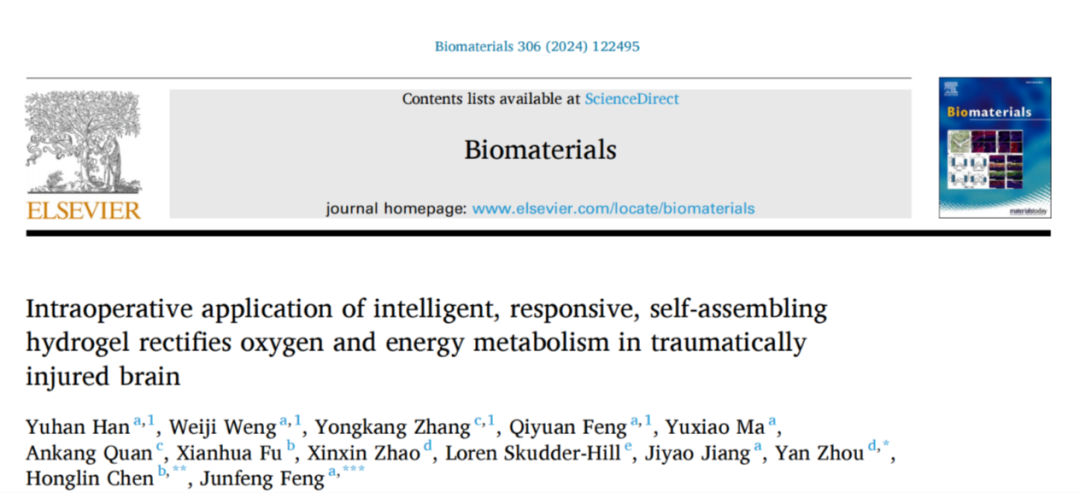
Professor Junfeng Feng’s team at the Renji Head Trauma Centre, Shanghai Jiao Tong University School of Medicine, recently published “Intraoperative application of intelligent, responsive, self-assembling hydrogel rectifies oxygen and energy metabolism in traumatically injured brain” online in Biomaterials (Chinese Academy of Sciences category 1; impact factor 14.0). The study developed an injectable intraoperative hydrogel with antioxidant and energy-metabolism effects, proposing a potential strategy for TBI care.
Severe TBI often requires emergency removal of haematomas or contused tissue. Injury itself and surgery disturb oxygen and energy metabolism, causing secondary injury that influences outcome. Reducing oxidative stress and restoring metabolism in the injured microenvironment are therefore important postoperative goals. Conventional intravenous medicines are limited by the BBB and can cause toxicity in other organs.
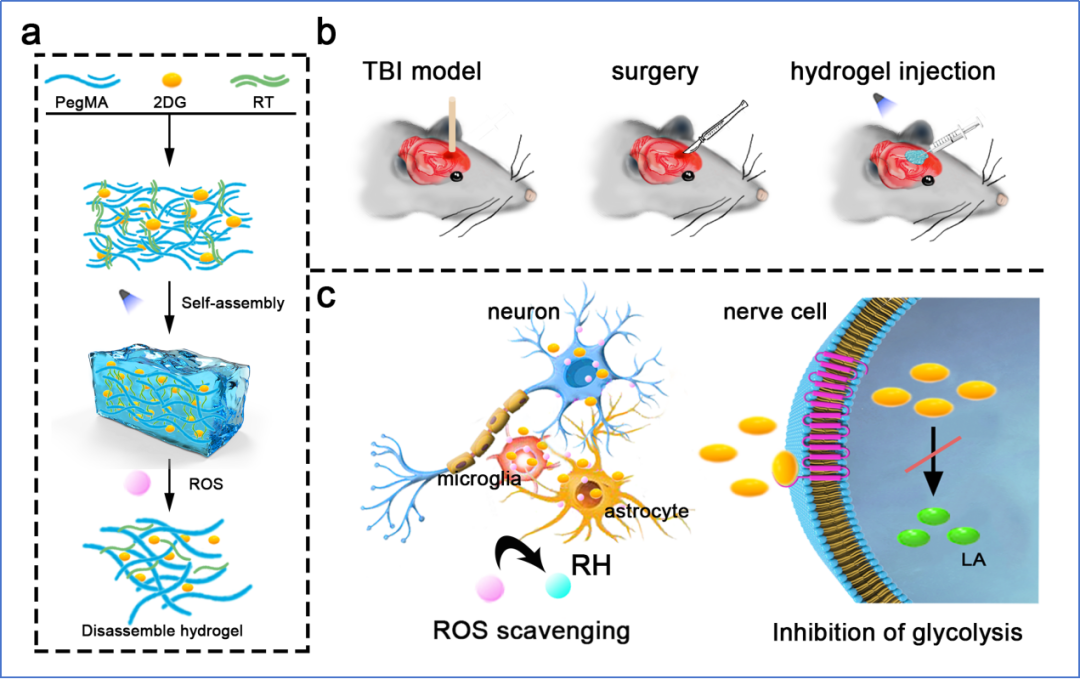
Guided and encouraged by Jiyao Jiang, the team incorporated an ROS-responsive thioketal crosslinker (RT) into polyethylene glycol to prepare P-RT/2DG. Blue light induces self-assembly into a hydrogel with mechanical properties suited to brain tissue. In vitro and in vivo experiments showed sustained release of 2-DG through the ROS-responsive bonds. The formulation had good biocompatibility, and local delivery avoided systemic toxicity in the experiments. Further work showed lower oxidative stress and lactate after TBI. Treated mice had reduced neural-cell apoptosis and inflammation, improved BBB integrity and less secondary oedema. Behavioural tests showed improved emotional, motor, learning and memory performance.
The team describes this as the first injectable, intelligently responsive self-assembling hydrogel of its kind. Applying it directly to the target during surgery provides sustained antioxidant and metabolic effects, interrupting the ROS–lactate cycle that contributes to secondary injury, while avoiding the adverse effects of systemic administration in the experiments.
Junfeng Feng is corresponding author; Honglin Chen, Director of Neurosurgery at Suqian First People’s Hospital, and Yan Zhou, Director of Radiology at Renji, are co-corresponding authors. Renji doctoral student Yuhan Han is first author; Weiji Weng, Qiyuan Feng and Yongkang Zhang of Xuzhou Medical University are co-first authors.
Feng said the work introduces a combination of surgery and locally sustained drug-release hydrogel for TBI and other brain injuries. Further translational research and clinical trials are planned.
Corresponding authors
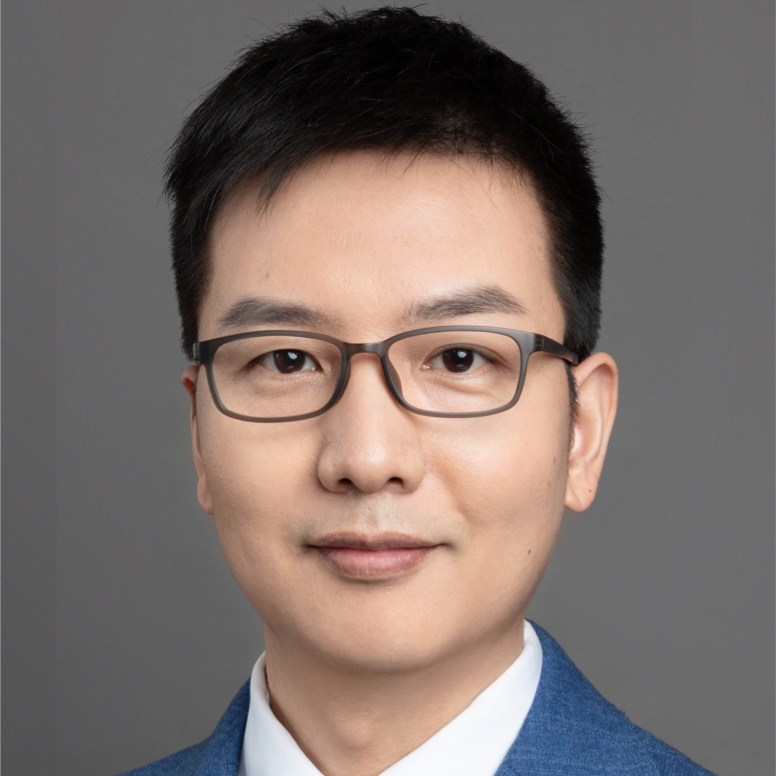
Professor Junfeng Feng
Renji Hospital, Shanghai Jiao Tong University School of Medicine
Chief physician, research professor and doctoral supervisor; Director of the Renji Head Trauma Centre and concurrently Deputy Director of Renji Neurosurgery; Deputy Director of the Shanghai Institute of Head Trauma; working-group member of the Chinese Medical Association’s Trauma Society; youth committee member of the Shanghai Medical Association’s Trauma and Neurosurgery Societies.
Honours include the Wang Zhongcheng Chinese Young Neurosurgeon Award, the Innovation Award of the Wang Zhengguo Trauma Medicine Award, the Shanghai Silver Snake Award, Shanghai Outstanding Academic Leader (Young) and Shanghai Outstanding Young Medical Talent.
He focuses on clinical surgery and comprehensive TBI and neurocritical care, and studies brain protection and neural repair and regeneration. He has received five NSFC grants, holds 20 granted patents and has published 30 SCI-indexed papers.
Professor Junfeng Feng
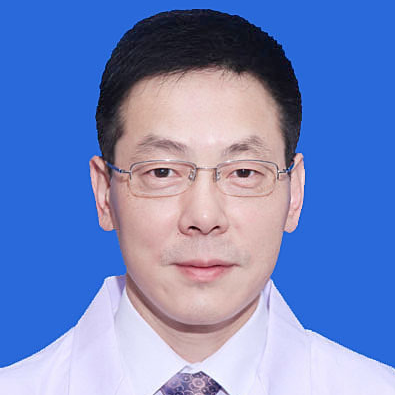
Professor Honglin Chen — Suqian First People’s Hospital
Chief physician and professor; Director of the hospital’s Surgery Division and Neurosurgery Department; Chair of the Suqian Medical Association’s Neurosurgery Society; member of the trauma working group of the Jiangsu Medical Association’s Neurosurgery Society and of the Chinese Anti-Cancer Association’s Glioma Group; selected for the fourth Jiangsu “333 Project” and first provincial Top Health Talent programme.
Focuses on surgery and comprehensive treatment for TBI, neuro-oncology and functional neurosurgery, and basic research on new materials for neuroprotection. Recipient of one second-prize Suqian Science and Technology Progress Award; principal investigator on several projects; author of more than ten papers as first or corresponding author.
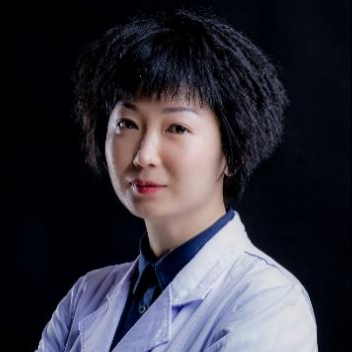
Professor Yan Zhou — Renji Hospital, Shanghai Jiao Tong University School of Medicine
Chief physician, professor and doctoral supervisor; Administrative Director of Radiology; standing committee member and Secretary-General of the Cardiovascular Magnetic Resonance Diagnosis Division of the China International Exchange and Promotive Association for Medical and Health Care; Chair of the Infection and Inflammation Imaging Committee of the Shanghai Research Hospital Association; member of the neuroradiology group of the Chinese Medical Association’s Radiology Society; Vice Chair of the Tumour Imaging Committee of the Shanghai Anti-Cancer Association; standing committee member of the Radiological Engineering Committee of the Shanghai Biomedical Engineering Society.
Her work covers neurological diagnosis, brain function in neurological and psychiatric diseases, and infection and inflammation imaging. She has led three NSFC General Programme projects and more than ten projects overall, including municipal Explorer, Shanghai Natural Science Foundation and medical guidance funding. She has published more than 70 SCI-indexed papers, with a highest individual journal impact factor of 24, over 1,600 citations and an h-index of 22. As principal investigator she received third prizes in the 2021 Shanghai Medical Science and Technology Progress Award and 2022 Huaxia Medical Science and Technology Award. Selected as a 2022 Shanghai Leading Medical Talent and a research physician in Shanghai Jiao Tong University’s 2017 “Double Hundred” programme; nominated for the 2016 Renxin Yizhe Shanghai Outstanding Specialist Physician Award.
Copyright notice: Intellectual property in content published by BrainMed’s Neurosurgery News, Neurointerventional News, Brain Medical Consultation and AiBrain belongs to BrainMed, the organisers, original authors and other rights holders. Republishing, excerpting, copying, cropping or recording without permission is prohibited. Authorised use must acknowledge the source. Forwarding and sharing are welcomed.
近日,上海交通大学医学院附属仁济医院颅脑创伤中心冯军峰教授团队在国际期刊《Biomaterials》(中科院一区,IF:14.0)在线发表了题为“Intraoperative application of intelligent, responsive, self-assembling hydrogel rectifies oxygen and energy metabolism in traumatically injured brain”的研究成果。该项研究开发了一种术中应用的抗氧化和改善能量代谢的可注射水凝胶制剂,提出了脑外伤救治的可能的新策略。
重型颅脑创伤往往需要急诊手术治疗,包括清除血肿、挫裂伤脑组织等等。脑外伤本身以及手术造成的损伤都会带来脑组织氧和能量代谢紊乱,进而导致严重的继发性脑损伤,成为患者最终预后的决定性因素。因此,如何在损伤脑组织微环境中减轻氧化应激、恢复能量代谢成为了术后救治的重要目标。传统的静脉给药治疗,因受到血脑屏障的限制其救治效果差,而对其他脏器会带来毒副作用。
针对难题,项目组在江基尧教授的指导、鼓励下,通过将活性氧(ROS)响应的硫酮交联剂(RT)整合到聚乙二醇中,制备了P-RT/2DG水凝胶。P-RT/2DG凝胶制剂可以在蓝光照射的情况下发生自组装,形成适合脑组织力学性能的水凝胶。体外和体内实验证实P-RT/2DG水凝胶可以通过硫缩酮键的活性氧响应特点,持续有效地释放2-DG,从而发挥高效、持续的治疗作用。该制剂具有良好的生物相容性,局部给药的方式也有效避免了全身的毒副作用。进一步实验证明,P-RT/2DG水凝胶可以降低脑外伤后的氧化应激和乳酸水平。经其治疗的脑外伤小鼠,神经细胞凋亡水平、脑组织炎症水平下降,血脑屏障得到修复,继发性脑水肿减轻。进而动物的行为学实验证实,其情绪、运动、学习和记忆能力都得到显著改善。
由此,项目组开发了第一种可注射的、智能响应性自组装水凝胶,通过脑外伤手术中直接应用到靶区,起到高效而持续的抗氧化和修复能量代谢的作用,从而抑制脑外伤后“活性氧-乳酸”恶性循环引起的继发性脑损伤,在无全身用药带来毒副作用的同时,提升了脑损伤的救治效果。
P-RT/2DG水凝胶制备过程及其作用机制
该项研究成果已于近日发表在国际著名期刊《Biomaterials》,仁济医院颅脑创伤中心主任冯军峰为通讯作者,宿迁市第一人民医院神经外科主任陈宏璘和仁济医院放射科主任周滟为共同通讯作者;仁济医院颅脑创伤中心博士研究生韩宇涵为第一作者,仁济医院翁维吉、冯启元和徐州医科大学张永康为共同第一作者。
冯军峰主任表示,该项研究提出了颅脑创伤术中水凝胶制剂的应用,为脑外伤以及其他脑损伤的救治提供了一条“手术+术区缓释药物水凝胶制剂应用”的新思路。研究团队将进一步开展相关的转化研究、临床试验等工作。
通讯作者简介
冯军峰 主任医师
上海交通大学医学院附属仁济医院
主任医师、研究员、博士研究生导师
上海交通大学医学院附属仁济医院颅脑创伤中心科主任
兼任仁济医院神经外科科室副主任
上海市颅脑创伤研究所副所长
中华医学会创伤学分会学组委员
上海市医学会创伤学分会、神经外科学分会青年委员
获王忠诚中国神经外科青年医师奖、王正国创伤医学奖创新奖、上海市银蛇奖、上海市优秀学术带头人(青年)、上海市杰出青年医学人才
专注于颅脑创伤、神经重症相关临床手术及综合救治,开展脑损伤保护和神经修复再生研究。获国家自然科学基金5项、授权专利20项、发表30篇SCI论文
冯军峰 教授
陈宏璘 教授
宿迁市第一人民医院
主任医师、教授
宿迁市第一人民医院大外科主任、神经外科主任
宿迁市医学会神经外科分会主任委员
江苏省医学会神经外科分会创伤学组委员
中国抗癌学会脑胶质瘤组委员
江苏省第四期“333工程”培养对象
江苏省第一批“卫生拔尖人才”
专注于颅脑创伤、神经肿瘤、功能神经外科相关临床手术及综合治疗,开展新型材料对于神经保护的基础研究。荣获宿迁市科学进步二等奖一项,主持多项研究项目,以第一作者或通讯作者发表学术论文10余篇
周滟 教授
上海交通大学医学院附属仁济医院
主任医师,教授,博士生导师
上海交通大学医学院附属仁济医院放射科行政主任
中国医疗保健国际交流促进会心血管磁共振诊断分会常委兼秘书长
上海研究型医院学会感染与炎症影像专业委员会主任委员
中华医学会放射学分会神经学组委员
上海市抗癌学会肿瘤影像专业委员会副主委
上海市生物医学工程学会放射医学工程专委会常委
长期致力于神经系统疾病的诊断以及神经、精神疾病的脑功能研究,以及感染与炎症影像学研究。作为负责人获得3项国家自然基金面上项目以及市科委探索者计划、上海市自然科学基金和上海市科委医学引导项目等合计10余项课题的资助。发表SCI论文70余篇,单篇影响因子最高为24,被引超过1600次,H指数=22。并以第一负责人获得2021上海医学科技进步奖三等奖、2022华夏医学科技奖三等奖。入选2022年上海医学领军人才,2017年度上海交通大学高峰高原“双百人”计划 “研究型医师”队伍,并且获得2016年“仁心医者”上海市杰出专科医师奖“提名奖
声明:脑医汇旗下神外资讯、神介资讯、脑医咨询、AiBrain所发表内容之知识产权为脑医汇及主办方、原作者等相关权利人所有。未经许可,禁止进行转载、摘编、复制、裁切、录制等。经许可授权使用,亦须注明来源。欢迎转发、分享。