Sequential recombinant HDL and mild hypothermia for brain injury: experimental research
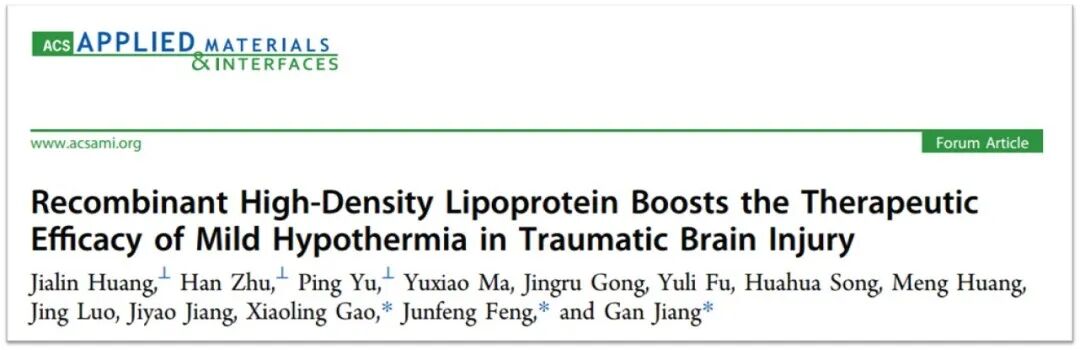
Renji's Head Trauma Centre collaborated with Professor Xiaoling Gao and Associate Professor Gan Jiang of Shanghai Jiao Tong University School of Medicine's Department of Pharmacology and Chemical Biology to explore a neural repair strategy after TBI: sequential treatment with recombinant high-density lipoprotein and mild hypothermia. The paper shown here was recently published in ACS Applied Materials & Interfaces, with an impact factor reported at the time as 10.383 and JCR Q1 status. The first affiliation was Renji's Head Trauma Centre and the Shanghai Institute of Head Trauma.
TBI is a major worldwide cause of death and disability, with a substantial social burden. Mild hypothermia is a physical intervention used in severe TBI care. A seven-year multicentre randomised trial of prolonged hypothermia, led by Renji Chief Expert Professor Jiyao Jiang, was published in early 2021 in eClinicalMedicine, whose impact factor the report gives as 17.033, attracting considerable attention. The source links to the team's report of this Chinese multicentre trial.
Alongside clinical studies, the Renji team conducts basic and translational research. This study explored how to improve neuroprotective drug effects when used with hypothermia, with the aim of improving survival and neurological outcomes after severe TBI.
Biomimetically designed recombinant HDL (rHDL) has anti-inflammatory and antioxidant activity and blood–brain barrier permeability, and was investigated in combination with hypothermia. To clarify its neuroprotective effects and the best combined strategy, the study compared concurrent and sequential rHDL approaches with hypothermia, assessing oxidative stress, inflammation and brain-cell survival after TBI. The experimental findings suggested rHDL could be an adjunctive nanomedicine, with sequential treatment performing best and offering translational potential.
First author Jialin Huang was an assistant researcher at Renji's Head Trauma Centre and the Shanghai Institute of Head Trauma. Corresponding authors were Professor Xiaoling Gao, Director Junfeng Feng and Associate Professor Gan Jiang.
Author biographies
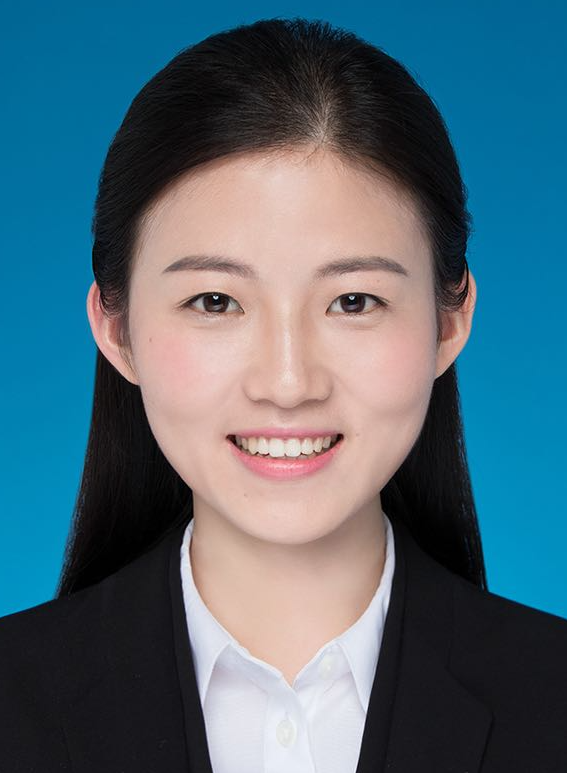
Jialin Huang.
PhD and Assistant Researcher at Renji's Head Trauma Centre and the Shanghai Institute of Head Trauma. She focuses on targeted delivery of macromolecular drugs, multimodal drug-loading systems and mechanisms of brain-targeted delivery. As principal investigator, she had one NSFC Young Scientists grant and one Shanghai Sailing Programme grant for young scientific talent. She had published first-author papers in Nature Communications, Advanced Science and ACS Applied Materials & Interfaces, and held one granted invention patent.
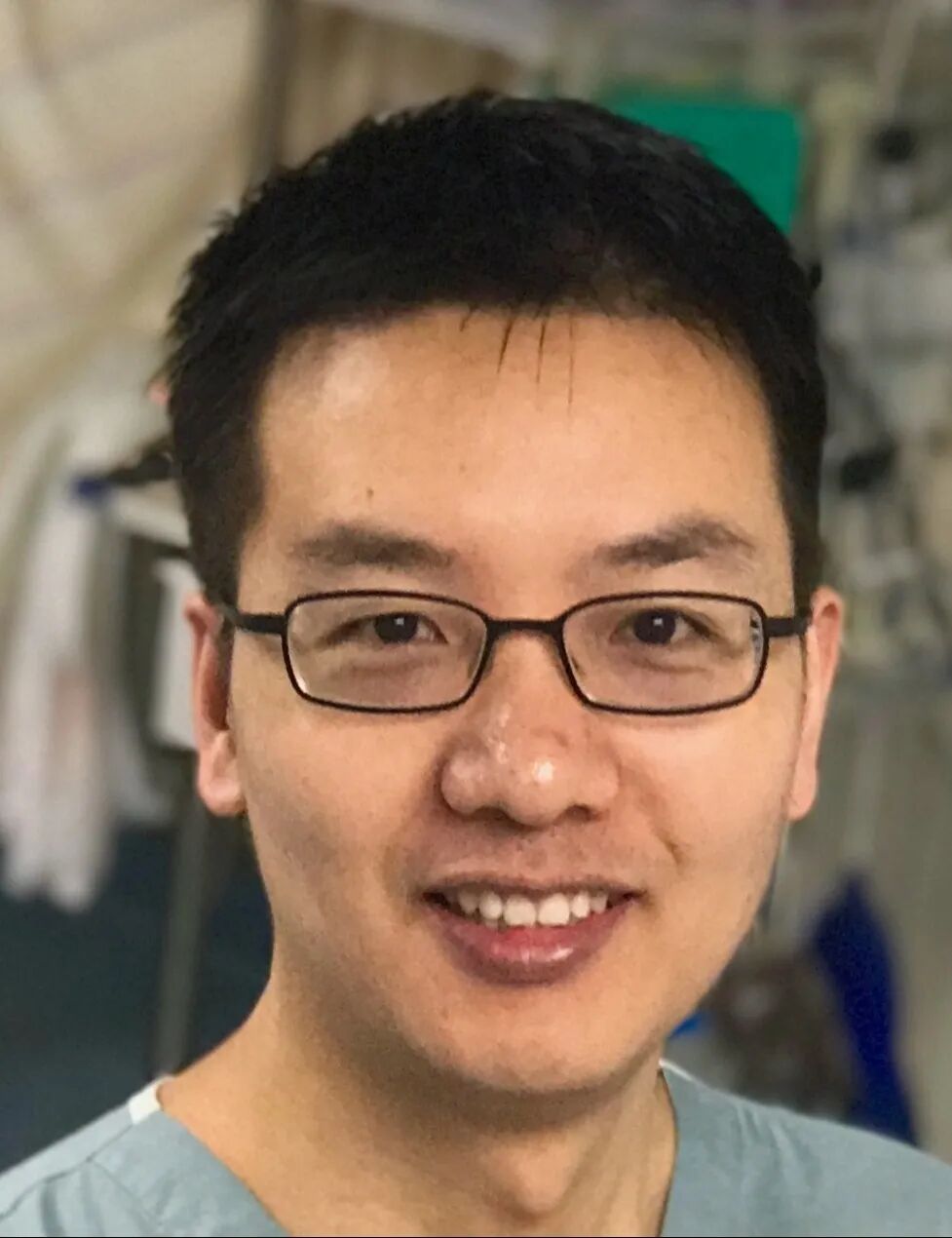
Junfeng Feng.
Research Professor, Associate Chief Physician, doctoral supervisor and Director of Renji's Head Trauma Centre. He was a member of a study group of the Chinese Medical Association's Trauma Branch and a young member of the Shanghai Medical Association's Trauma and Neurosurgery branches. Honours included the Wang Zhengguo Trauma Medicine Innovation Award, Shanghai Silver Snake Award, Shanghai Outstanding Academic Leader (Young) and Shanghai Outstanding Young Medical Talent. He focuses on neurotrauma and neurocritical surgery and comprehensive care, and studies brain protection, neural repair and regeneration. The source records four NSFC grants, 15 granted patents and 28 SCI papers in journals including The Lancet Neurology.
仁济医院颅脑创伤中心与上海交通大学医学院药理学与化学生物学系高小玲教授、江淦副教授合作,探索了脑外伤后神经修复新策略——重组高密度脂蛋白联合亚低温的序贯治疗。研究论文(如图)新近发表在ACS Applied Materials & Interfaces (IF:10.383;JCR:Q1) 杂志上,第一单位是仁济医院颅脑创伤中心和上海市颅脑创伤研究所。
脑外伤(创伤性颅脑损伤,TBI)是世界范围内导致死亡和残疾的主要原因之一,造成巨大社会负担。亚低温是一种物理干预措施,是重型脑外伤患者的极为关键的救治手段。仁济医院首席专家江基尧教授牵头国内多家中心,历时7年开展的长时程低温随机对照临床研究成果,于2021年初在柳叶刀子刊《EClinicalMedicine》(IF:17.033)发表,引发极大关注。(相关链接:仁济医院颅脑创伤团队在柳叶刀子刊《EClinicalMedicine》发表中国多中心长时程低温随机对照临床研究成果)
除了临床研究,仁济医院颅脑创伤团队还开展了一系列基础研究、临床转化相关研究。本项研究即是在亚低温治疗同时,聚焦于如何提高神经保护剂应用效果,从而提升重型脑外伤患者存活率的同时改善神经功能预后,做了积极探索。
基于仿生学原理构建的重组高密度脂蛋白 (rHDL),具有抗炎和抗氧化活性以及血脑屏障渗透性,可与亚低温联合应用于TBI的治疗。为了揭示rHDL的神经保护作用及其联合亚低温用于TBI治疗的最佳策略,本研究采用亚低温联合同时或序贯的rHDL治疗,评估TBI后脑内细胞的氧化应激、炎症反应和细胞存活率。研究发现,作为一种新型纳米药物,rHDL可应用于TBI的辅助治疗,且序贯治疗效果最佳,具有极大的临床转化应用前景。
本项研究的第一作者是仁济医院颅脑创伤中心、上海市颅脑创伤研究所的黄佳琳助理研究员,通讯作者是高小玲教授、冯军峰主任、江淦副教授。
注:文章全文请查看文末的“阅读原文”
作者简介
黄佳琳
黄佳琳,博士,助理研究员,就职于上海交通大学医学院附属仁济医院颅脑创伤中心、上海市颅脑创伤研究所。聚焦于大分子药物靶向递送载体、多模式载药系统及脑靶向递送机制研究。作为第一负责人主持国家自然科学基金(青年项目)、上海市青年科技英才扬帆计划各1项。以第一作者身份在Nature Communications、Advanced Science、ACS Applied Materials & Interfaces等期刊发表多篇论文,获授权发明专利1项。
冯军峰
研究员、副主任医师、博士研究生导师,上海交通大学医学院附属仁济医院颅脑创伤中心主任。担任中华医学会创伤学分会学组委员、上海市医学会创伤分会和神经外科分会青年委员。获王正国创伤医学奖创新奖、上海市银蛇奖、上海市优秀学术带头人(青年)、上海市杰出青年医学人才。专注于颅脑创伤、神经重症相关临床手术及综合救治,开展脑损伤保护和神经修复再生研究。获国家自然科学基金4项、授权专利15项,在Lancet Neurology等杂志发表28篇SCI论文。