Medical students take emergency brain health education into communities
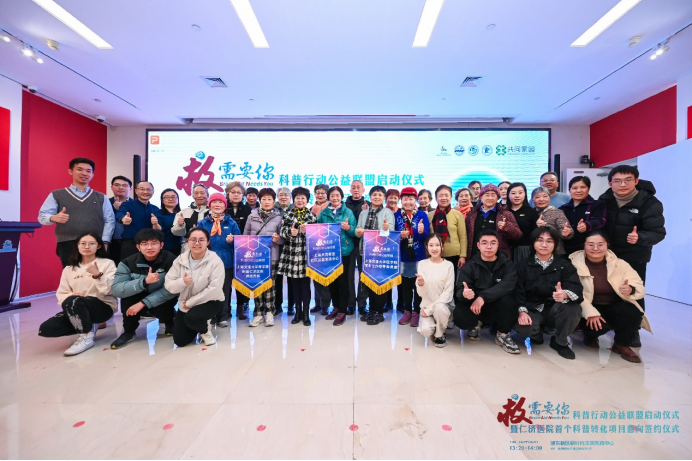
To advance the Healthy China strategy and its fundamental educational mission, Shanghai Jiao Tong University School of Medicine's Student Affairs Steering Committee encourages medical students to develop commitment to their country, professional abilities and compassionate practice through serving people's health. Drawing on organisational, practical and collaborative education, it works with Renji Neurosurgery and Shanghai Common Home Community Public Welfare Development Centre to develop the Brain Aid Needs You (BANY) alliance. Over more than a year, the programme has focused on prehospital response to acute cranial emergencies, turning medical knowledge into skills residents can understand, learn and use. Moving emergency preparation into communities, it has made progress in social service, medical student training, charitable innovation and international exchange.
Jointly founded to respond to residents' emergency needs.
Acute cranial conditions develop suddenly and progress rapidly; prehospital recognition and response are important for outcomes. Yet people confronting TBI or stroke often cannot recognise the emergency, hesitate to act or experience delays.
Responding to public needs is a foundation of medical education and social responsibility. With Pudong's civilisation office's support, the medical school's Student Affairs Steering Committee, Renji Neurosurgery and Shanghai Common Home founded the alliance on 20 January 2025. Its purpose is to move emergency response preparation earlier and bring health knowledge to residents. Using the medical school's educational platform, specialist clinical expertise and community charity networks, it provides education, risk-recognition guidance, reading and learning about standardised responses, and practical training.
The programme began with a modest reading group and first community lecture at Pudong Library. Small efforts grew into sustained charitable action. Professional physicians and ideological education teachers first reached out, followed by continuing student volunteering. A mechanism developed in which the school coordinates support, clinicians provide professional guidance, charities connect communities and students participate deeply, demonstrating service to grassroots health needs and collaborative medical education.
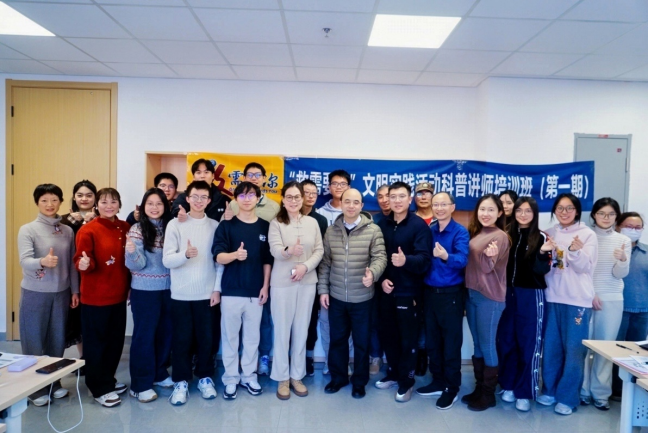
Rooted in communities: bringing specialist knowledge to residents.
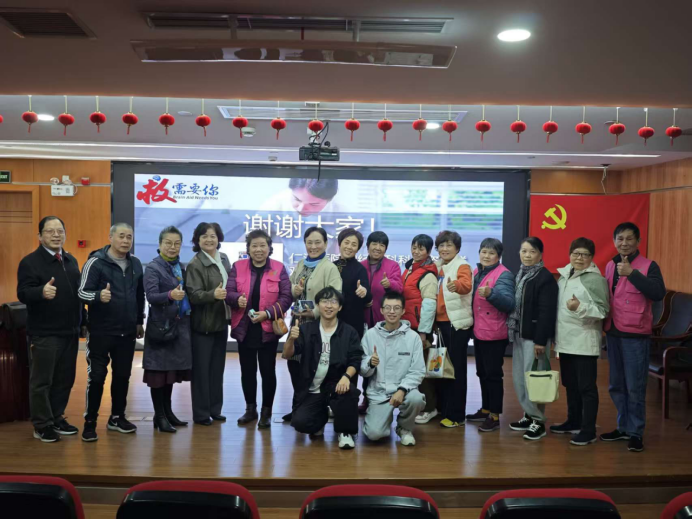
Public education succeeds when it answers people's real concerns. The alliance enters Pudong communities to discuss recognising TBI, early identification of stroke, responding to sudden disorders of consciousness and correctly calling 120. Healthcare workers and students translate professional terminology into everyday language so residents can learn useful emergency skills near home.
At publication, 110 activities had served more than 2,300 participant visits. After the medical school moved to the Zhoupu campus, students proactively connected with communities and held nine well-received services. The new campus became another starting point for student social service.
Practical education: medical students grow through volunteering.
The alliance is more than a health education project: it provides lessons in social practice, medical humanities and professional development.
The Student Affairs Steering Committee integrates service with student training. Guided by experts, students hold reading groups, design emergency education, research community needs and volunteer. Moving from listening in medical classes to teaching health, they improve communication and empathy.
Under Director Feng and Shuoyu An's guidance, undergraduate teams received second and third prizes in Shanghai Jiao Tong University's summer social practice assessment. Connecting clinical questions, community practice, volunteering and reflection on achievements extends medical education into society and helps young students develop through serving people's health.
International exchange: contributing to global health.
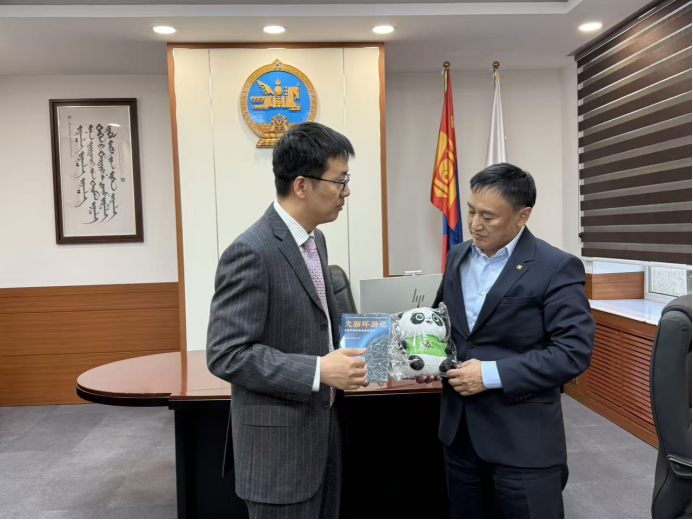
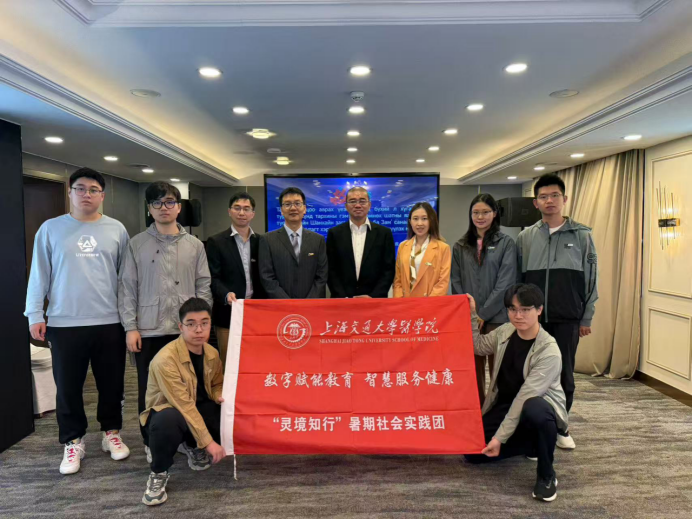
As its influence grew, the programme moved from community service towards international exchange. Supported by Shanghai Jiao Tong University's Global Challenge Programme and guided by the medical school's international office, the team visited Mongolia, an important northern Belt and Road partner, in September 2025. Exchanges on prehospital response, public health education and charitable science communication received recognition from Health Minister Jinburen.
The exchange opened mutually beneficial Sino-Mongolian cooperation, demonstrated the medical school's practical achievements in public education, social service and student training, and reflected Chinese medical students' responsibility in addressing global health challenges.
Innovation: making health education more engaging and lasting.
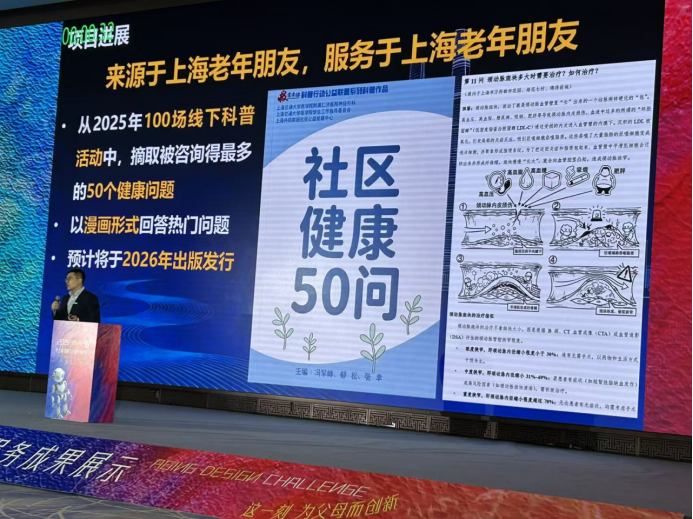
Community education requires sustained work and continuing innovation. Building on in-person services, the alliance is extending knowledge into accessible books. The medical school's Student Affairs Steering Committee, Renji Neurosurgery and Shanghai Common Home organised a comic science book, “社区健康50问” (50 Community Health Questions), around 50 popular questions from residents. It was being prepared for publication at the time of the report.
Starting with real questions and common sources of confusion, the book uses lively, accessible comics. It brings together service experience while responding to community needs and testing new education formats. Moving from lectures to books allows knowledge to reach communities and families in a lighter, sustainable form.
Social recognition: charitable innovation serving more older adults.
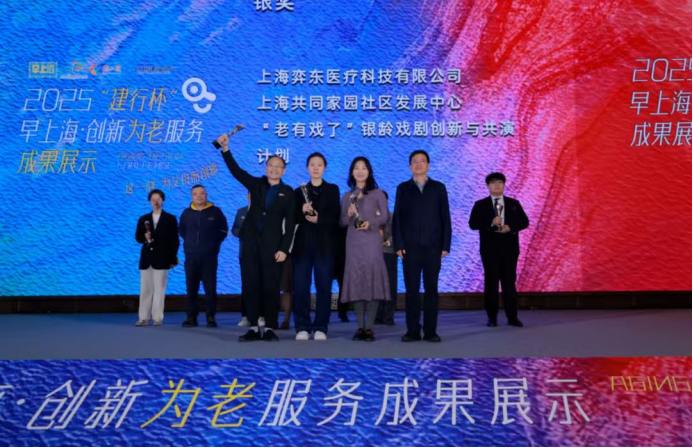
Improving older people's emergency awareness is a long-term priority in an ageing society. On 26 March 2026, the project received silver in the China Construction Bank Cup “Morning Shanghai—Innovative Services for Older People” competition and praise from leaders of the Shanghai Party Committee's Veteran Cadres Bureau and Civil Affairs Bureau. The award recognised sustained community service for older residents.
Behind it was the volunteer team's perseverance. Activities were reported by Pudong's civilisation office and Oriental Finance Pudong. The alliance will keep improving content and expanding services so more residents receive caring, high-quality medical education close to home.
Warm responses: from community classrooms to protecting life.
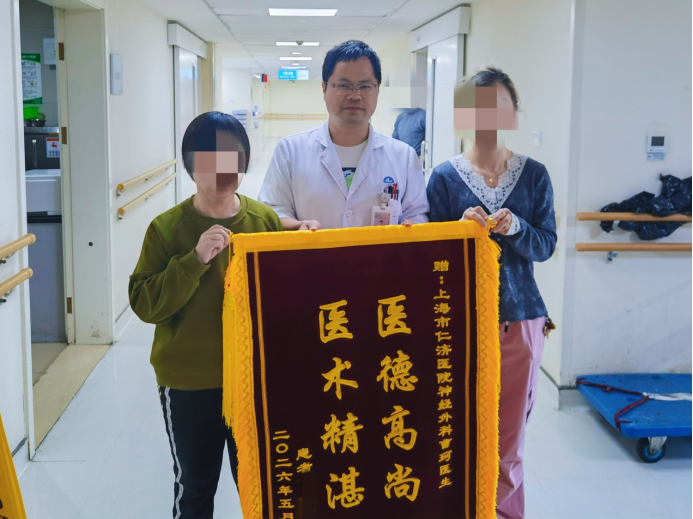
The programme's value is also reflected in actual emergencies. Following a community lesson, one resident sustained a head injury. With guidance from Director Qing Mao, people at the scene completed initial care before the ambulance arrived. Another resident, Ms Zhao, recognised illness more effectively after the education and promptly sought medical care for a family member, Auntie Qian. Symptoms improved after treatment by physician Ke Cao, and they brought a commemorative banner to express their thanks. These are examples of knowledge becoming action to protect life.
Moving from attending a class to recognising risk, and from acquiring knowledge to protecting a family, the alliance gives public medical education a tangible effect. These responses remain the simple, enduring motivation for its continuing work.
Source: Student Affairs Steering Committee.
为深入贯彻健康中国战略,落实立德树人根本任务,持续引导医学生在服务人民健康中厚植家国情怀、锤炼专业本领、涵养仁心仁术,上海交通大学医学院学生工作指导委员会充分发挥组织育人、实践育人和协同育人优势,联合上海交通大学医学院附属仁济医院神经外科、上海共同家园社区公益发展中心,持续推进“救需要你”科普行动公益联盟建设。一年多来,“救需要你”聚焦颅脑急症院前急救科普,将专业医学知识转化为社区居民听得懂、学得会、用得上的健康技能,把急救关口前移到社区一线,把医学温度送到群众身边,在社会服务、医学生培养、公益创新和国际交流等方面取得了积极成效。
联合发起:以医学初心回应群众急救需求
颅脑急症起病急、进展快,院前识别与处置对患者预后至关重要。但不少群众面对脑外伤、脑卒中等急症时,常存在“不会识别、不敢处置、容易延误”的困境。
回应群众所需,是医学教育与社会责任的出发点。2025年1月20日,在浦东新区文明办的支持和帮助下,上海交通大学医学院学生工作指导委员会、仁济医院神经外科、上海共同家园社区公益发展中心联合发起成立“救需要你”科普行动公益联盟,以“把急救关口前移,把健康知识送到群众身边”为宗旨,依托医学院育人平台、临床专科专业力量和社区公益组织服务网络,持续开展颅脑急症院前急救知识普及、风险识别指导和规范化处置读书学习与实践培训。
回望来路,这一切的起点,正是浦东图书馆内那场朴素的读书会与首场社区讲座。从那里出发,涓滴细流汇聚成河,最终发展成一项长期的公益行动。从专业医生、思政教师的主动走近,到医学生志愿者的持续接力,“救需要你”逐步形成了“医学院统筹支持、临床专家专业指导、公益组织链接社区、学生志愿者深度参与”的工作机制,成为交大医学院服务基层健康需求、推进医教协同育人的生动实践。
扎根社区:把专业科普送到群众身边
公益科普的生命力,在于回应群众真正关心的问题。“救需要你”联盟深入浦东新区社区,围绕脑外伤识别、脑卒中早期判断、突发意识障碍应对、120规范呼救等开展科普宣讲。医护人员和学生志愿者将专业术语转化为生活化表达,让居民在家门口学到实用的急救知识。
截至目前,联盟已累计开展活动110场,服务群众2300余人次,让医学公益服务落到基层。交大医学院搬迁至周浦校区后,学生志愿者队主动对接社区,已开展科普服务9次,获得一致好评。周浦新校区成为医学生服务社会的新起点。
实践育人:让医学生在公益服务中成长
“救需要你”不仅是一项健康科普项目,更是医学生的社会实践课、医学人文课和专业成长课。
在项目推进中,学指委注重公益服务与学生培养相结合,引导学生在专家指导下开展读书会、急救科普设计、社区调研、志愿服务等实践。学生们从“听医学课”走向“讲健康课”,在服务中提升沟通能力与共情能力。
依托该项目,冯军峰主任和安烁羽老师指导本科生团队参加上海交通大学暑期社会实践评选,分获二等奖和三等奖。从临床问题到社区实践,从志愿服务到成果凝练,“救需要你”推动医学教育从课堂延伸至社会,引导青年医学生在服务人民健康中成长成才。
走向国际:在全球健康交流中贡献交医力量
随着项目影响力持续扩大,“救需要你”从社区公益行动逐步走向国际交流平台。2025年9月,在上海交通大学全球挑战计划支持和医学院国际交流处指导下,“救需要你”项目组来到“一带一路”北向重要国家蒙古国,围绕院前急救处置、公众健康教育和公益科普模式开展交流,获得蒙古国卫生部长金布仁先生的认可。
这一跨越国界的交流,开启了中蒙互惠合作的佳话,展示了交大医学院在医学科普、社会服务和学生培养方面的实践成果,也体现了中国医学生回应全球健康挑战的责任担当。
科普创新:让健康科普更生动、更长久
社区科普是一项需要长期积累、持续创新的系统工程。在线下服务基础上,“救需要你”联盟推动健康知识从课堂宣讲向图书化、大众化拓展。交大医学院学指委、仁济医院神经外科、上海共同家园社区公益发展中心围绕社区居民提出的50个热门健康问题,组织编写漫画科普书《社区健康50问》,目前正在出版准备中。
该科普书从居民真实提问出发,聚焦日常生活中常见、易困惑的健康问题,用通俗生动的漫画形式普及知识。它既是项目服务经验的凝练,也是回应群众需求、创新科普方式的探索。从线下讲座到科普读物,“救需要你”正让健康知识以更轻便、可持续的方式进入社区与家庭。
社会认可:让公益创新服务更多老年群体
在老龄化社会背景下,提升老年群体急救意识是“救需要你”联盟长期关注的重点。2026年3月26日,项目荣获建行杯“早上海·创新为老服务大赛”银奖,并得到上海市委老干部局、市民政局相关领导表扬。这份荣誉是对项目深耕社区、服务老年居民的肯定。
荣誉的背后,是志愿队伍的长期坚持。活动先后被浦东文明办、东方财经浦东等报道。未来,联盟将继续优化科普内容、拓展服务形式,让更多居民在家门口享受到有温度、有质量的医学科普服务。
温暖回响:从社区课堂走向生命守护现场
“救需要你”的意义,更体现在真实发生的生命场景中。一次社区科普后,一位居民意外头部外伤,现场居民在毛青主任指导下,于救护车到达前顺利完成初步处理。另一位居民赵女士因科普提高了疾病识别能力,及时为家人钱阿姨求医,经曹轲医生治疗后症状明显改善,赵女士和钱阿姨专程送来锦旗。这就是从知识传播走向生命守护的生动写照。
从“听过一堂课”到“识别一个风险”,从“掌握一项知识”到“守护一个家庭”,“救需要你”让医学科普真正产生了可感、可及的现实力量。这些温暖回响,也是未来“救需要你”持之以恒做下去最朴素、最坚定的动力来源。
来源:学生工作指导委员会