Renji’s clinical exchange visit explores neurotrauma and neurocritical care
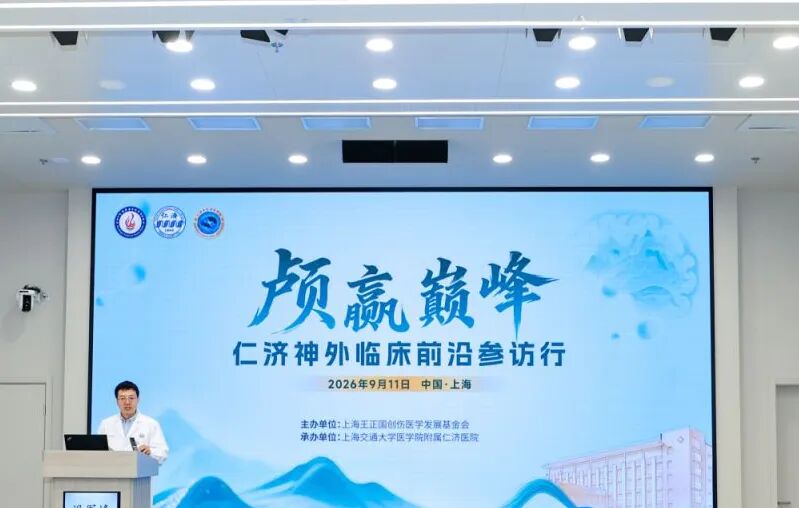
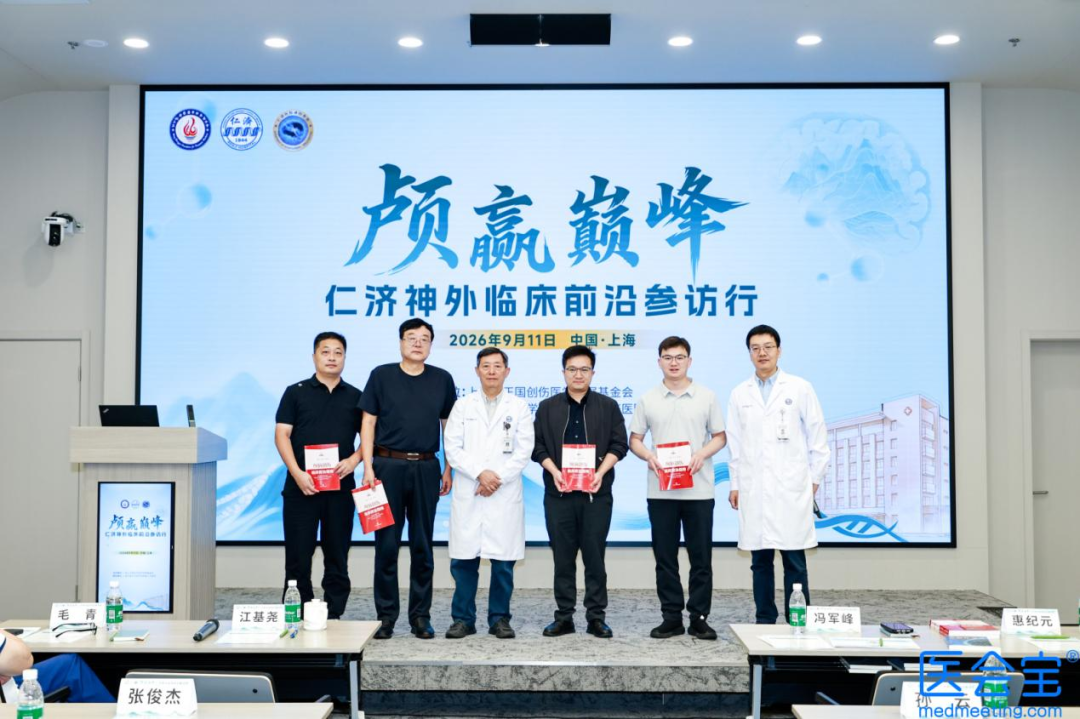
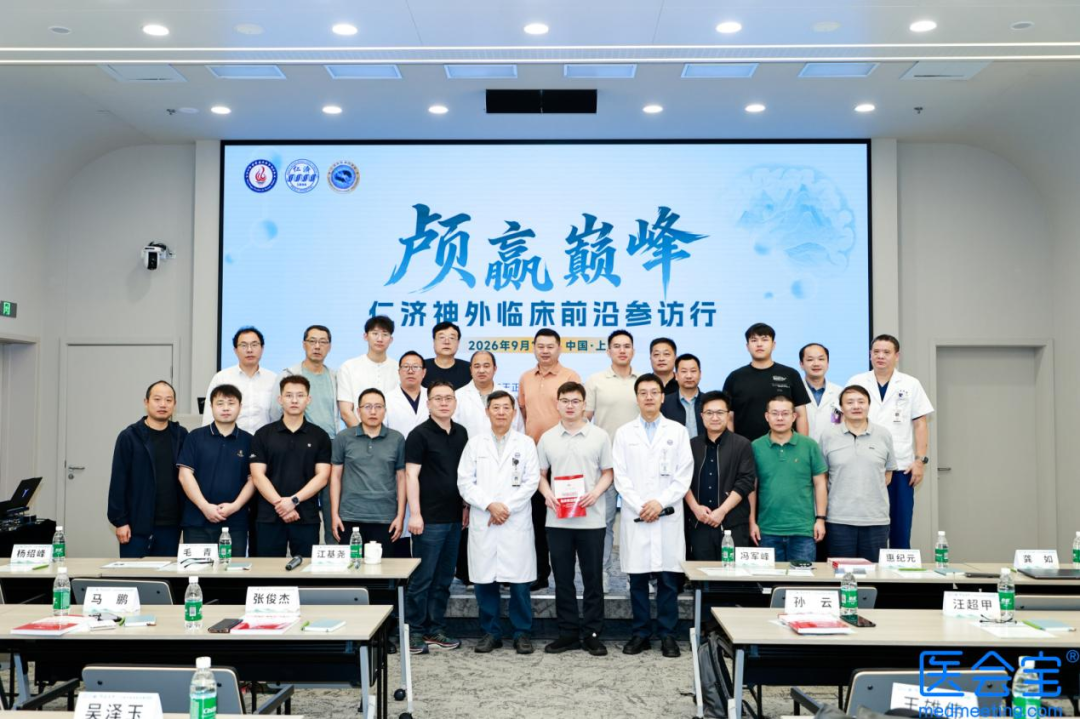
On 11 September, “Reaching New Heights: A Visit to the Clinical Frontiers of Renji Neurosurgery” took place at Renji Hospital, Shanghai Jiao Tong University School of Medicine.
Organised by Professor Junfeng Feng, Director of Neurosurgery at Renji Hospital, the event addressed clinical issues including traumatic brain injury, neurocritical care, cranioplasty, intracranial infection and postoperative complications. Lectures, case exchanges, questions and a neurointensive care unit (NICU) visit offered neurosurgical colleagues from different regions a platform for learning directly from clinical practice and one another.
Building in-depth exchanges around clinical questions
Director Feng opened the event by welcoming neurosurgical colleagues from across China. He explained that neurosurgery, particularly neurotrauma and neurocritical care, involves complex conditions and multiple stages of treatment. Many clinical problems require both standardised approaches and continuing exchanges of practical experience between centres.
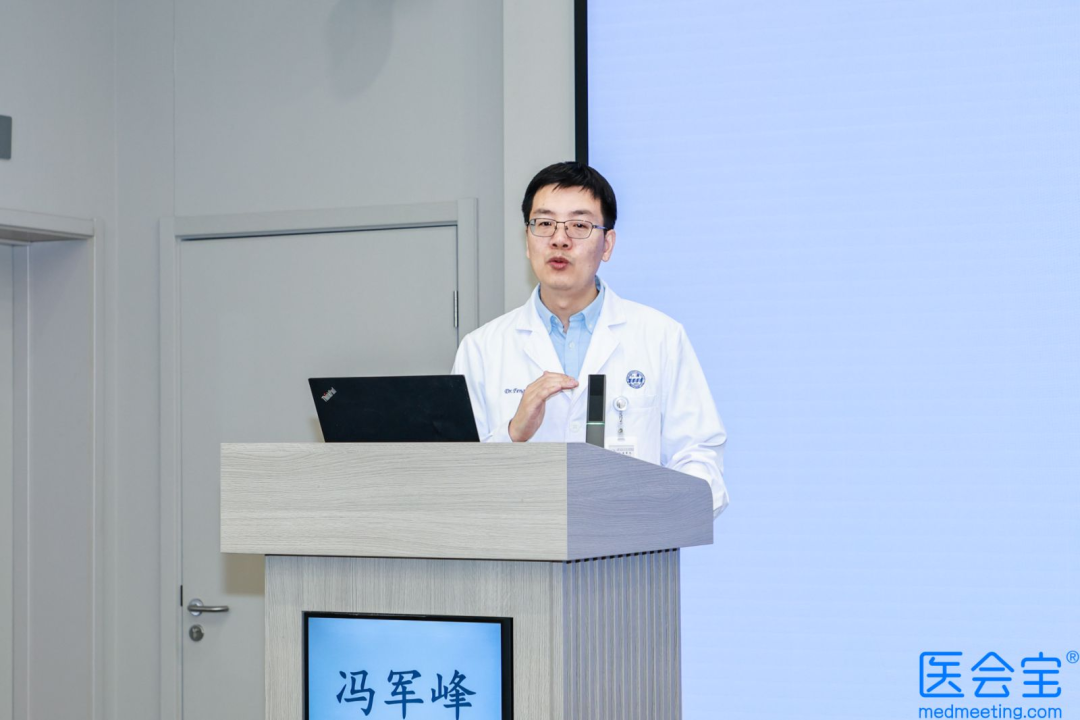
He hoped the visit would allow Renji to share some of its experience in TBI care, cranioplasty and neurocritical management, while face-to-face discussion would enable mutual learning from different hospitals. Such exchanges can help refine approaches to diagnosis and treatment and improve neurosurgical care together.
Sharing practical experience on clinical problems
Professor Jiyao Jiang of Renji Hospital then delivered opening remarks.
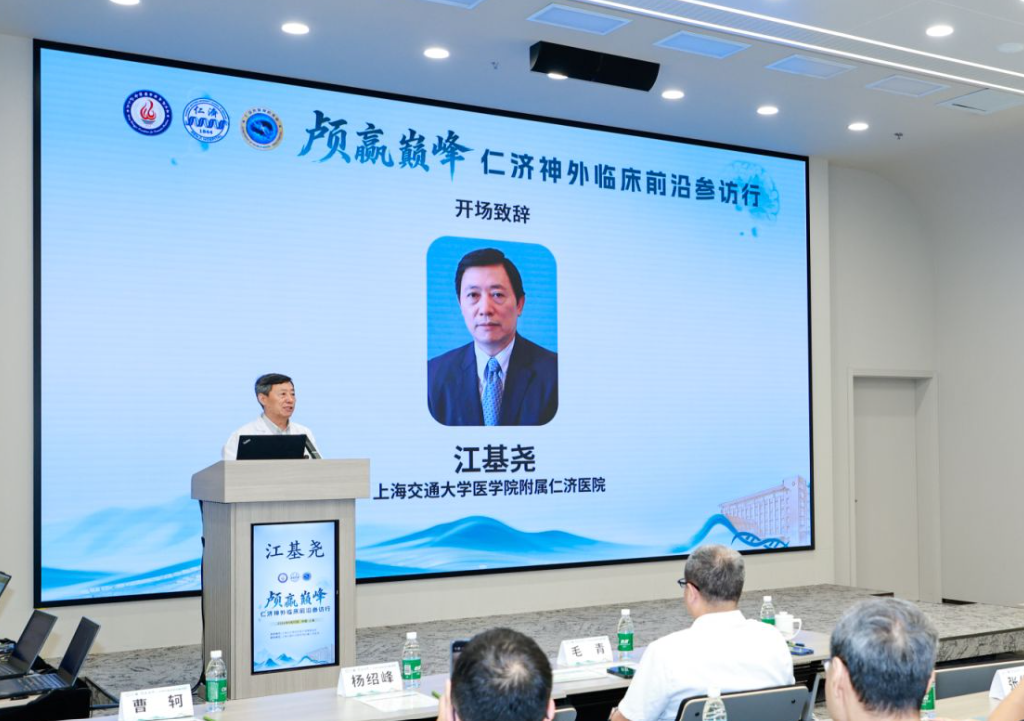
He welcomed colleagues to Renji and emphasised that neurosurgical development depends on continuing academic exchange and sharing of experience across centres. In complex fields such as TBI and neurocritical care, many practical problems require repeated discussion and reflection to identify more standardised and effective approaches.
He encouraged participants to use this opportunity not only to listen to expert presentations but also to bring difficulties and questions from their own work. Thorough discussion could make the visit an exercise in reciprocal learning and joint improvement.
Standard large-flap decompression for traumatic brain injury
Professor Jiang presented “Strategies and Techniques for Standard Large-Flap Decompression in Trauma.” Drawing on years of experience treating severe TBI, he explained indications, the extent of standard decompression, operative procedures and key technical details, reviewing how to standardise operations and improve care, with numerous classic cases.
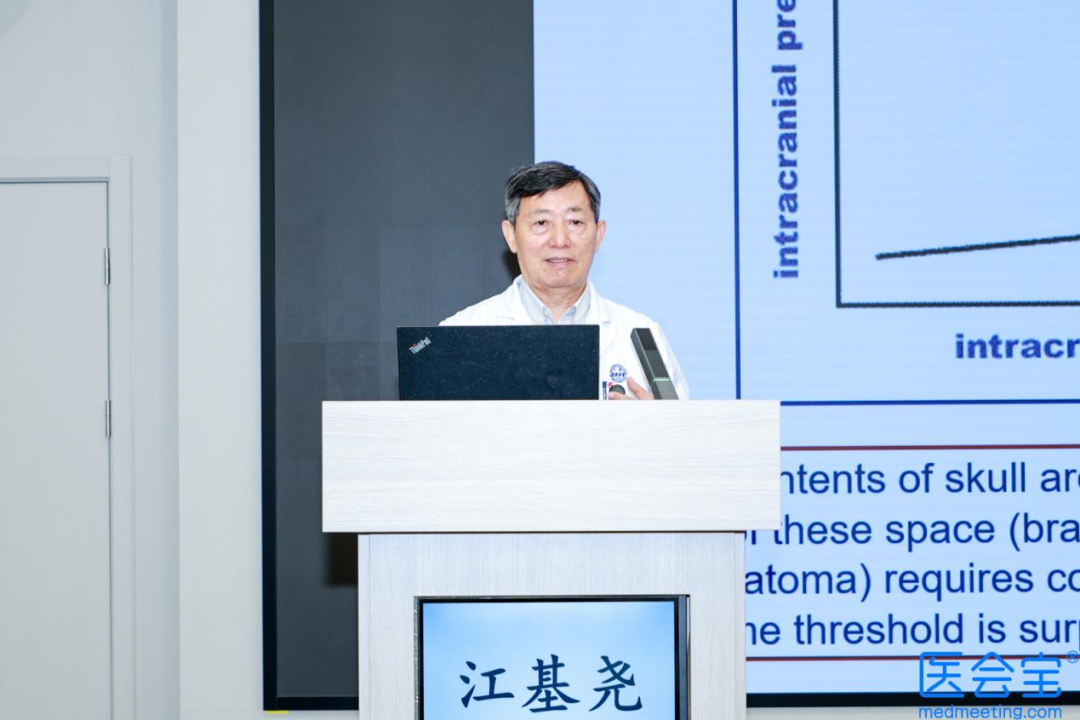
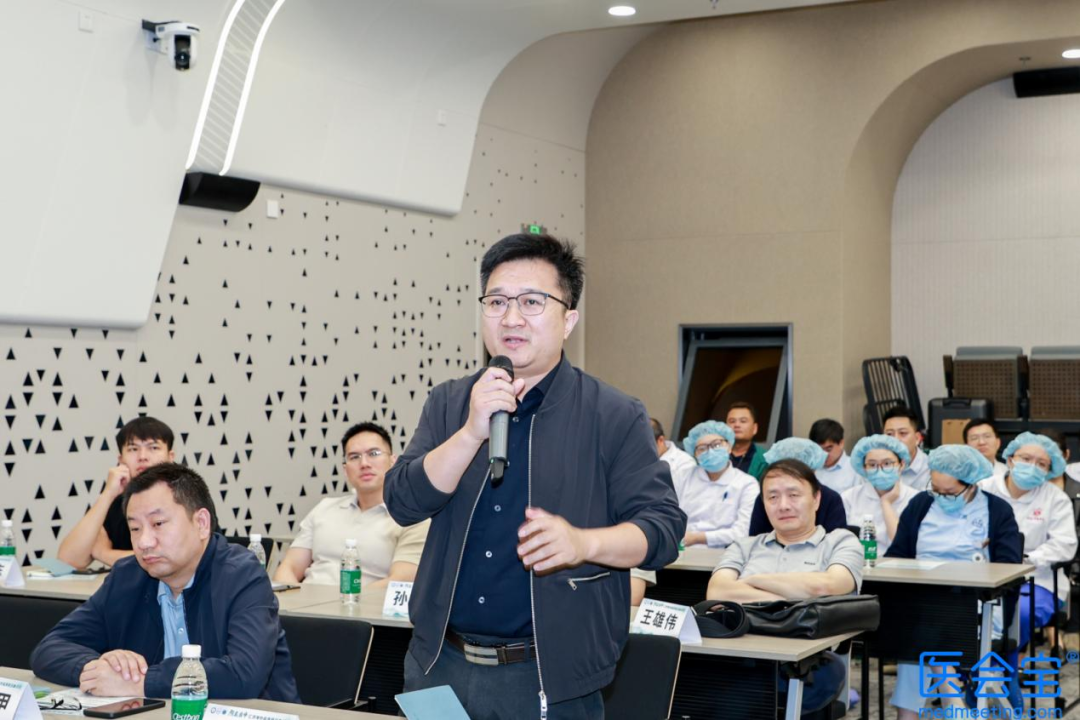
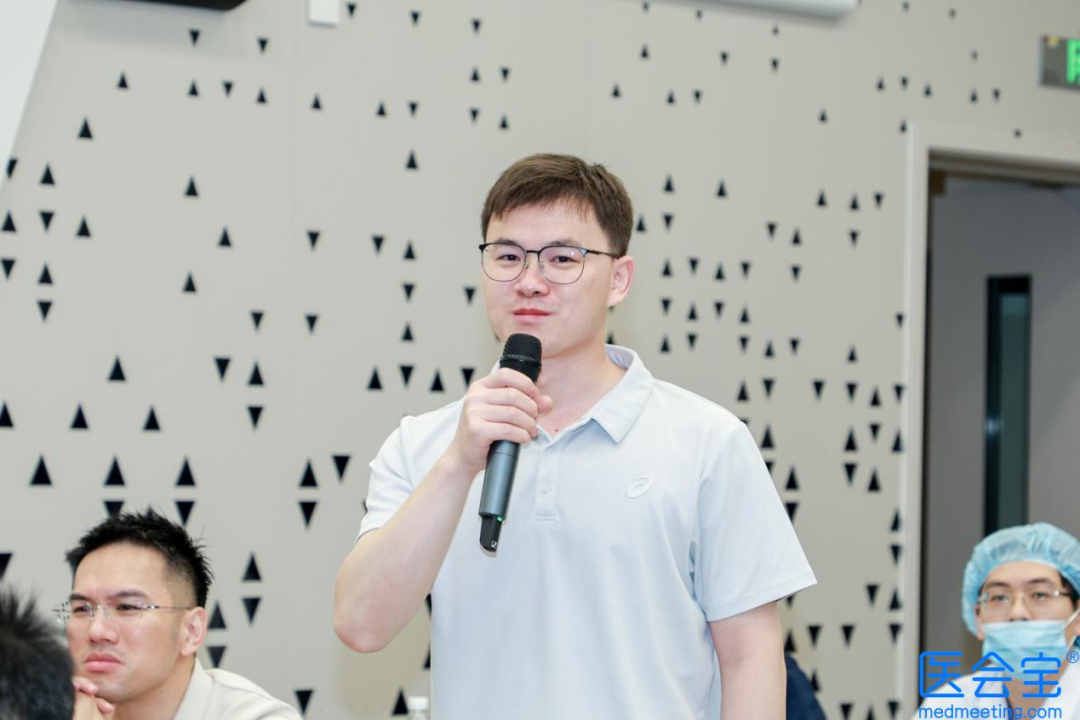
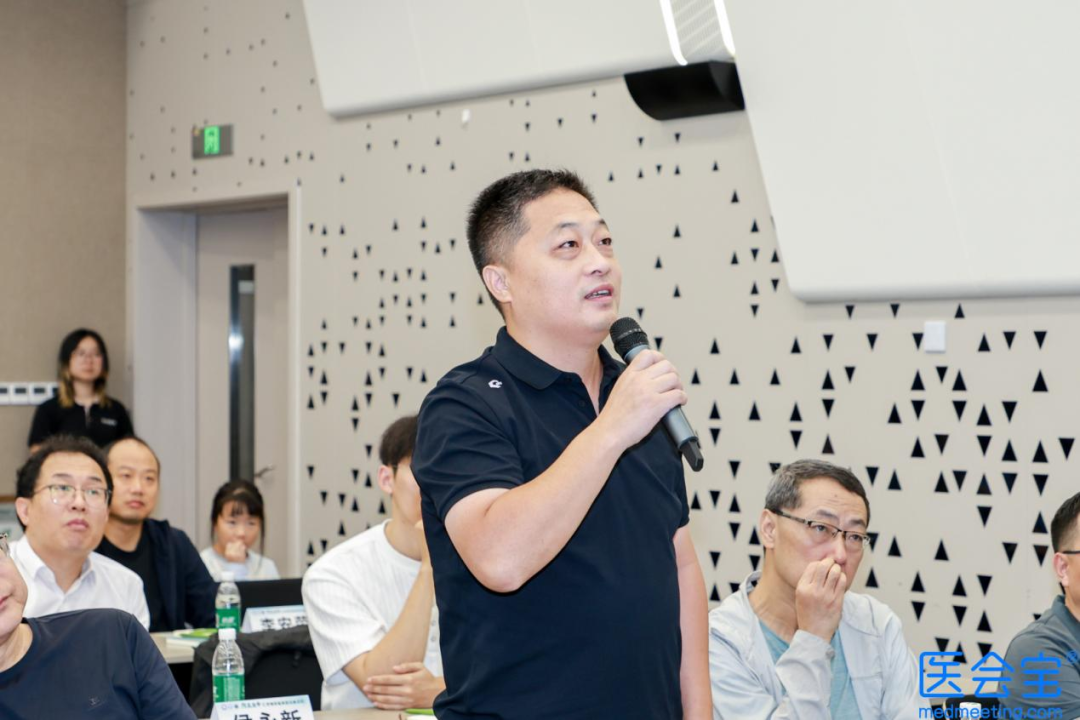
After the lecture, participants asked about surgical timing, decompression extent and patient management. Jiang addressed their questions through specific clinical scenarios, extending the discussion from technical standards to real decisions.
Renji experience: from cranioplasty to long-term management
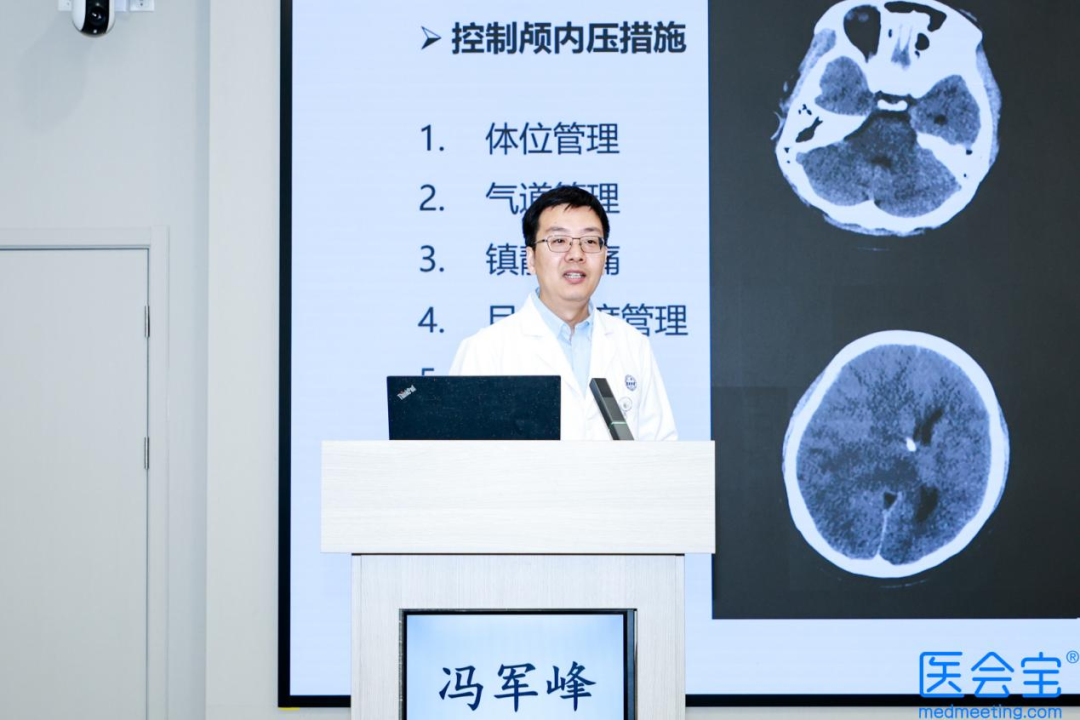
Director Feng then discussed PEEK cranioplasty, covering assessment of patients with skull defects, repair timing, material selection, complex reconstruction and perioperative management. Drawing on clinical PEEK use, he explored individualised cranial reconstruction and the issues requiring attention.
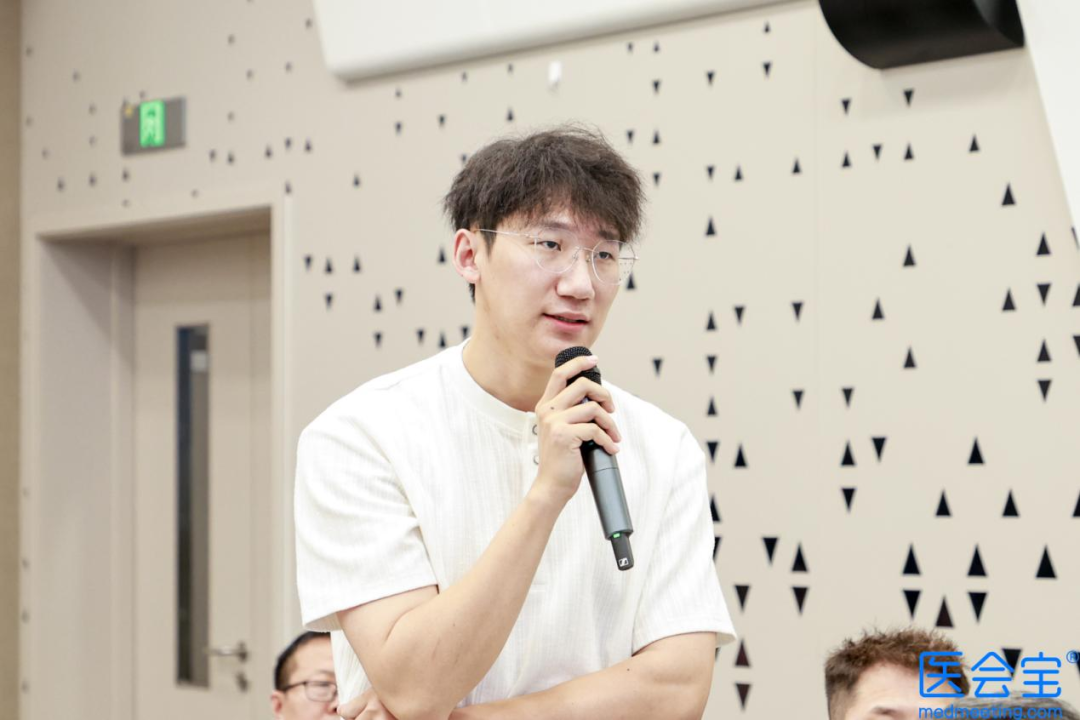
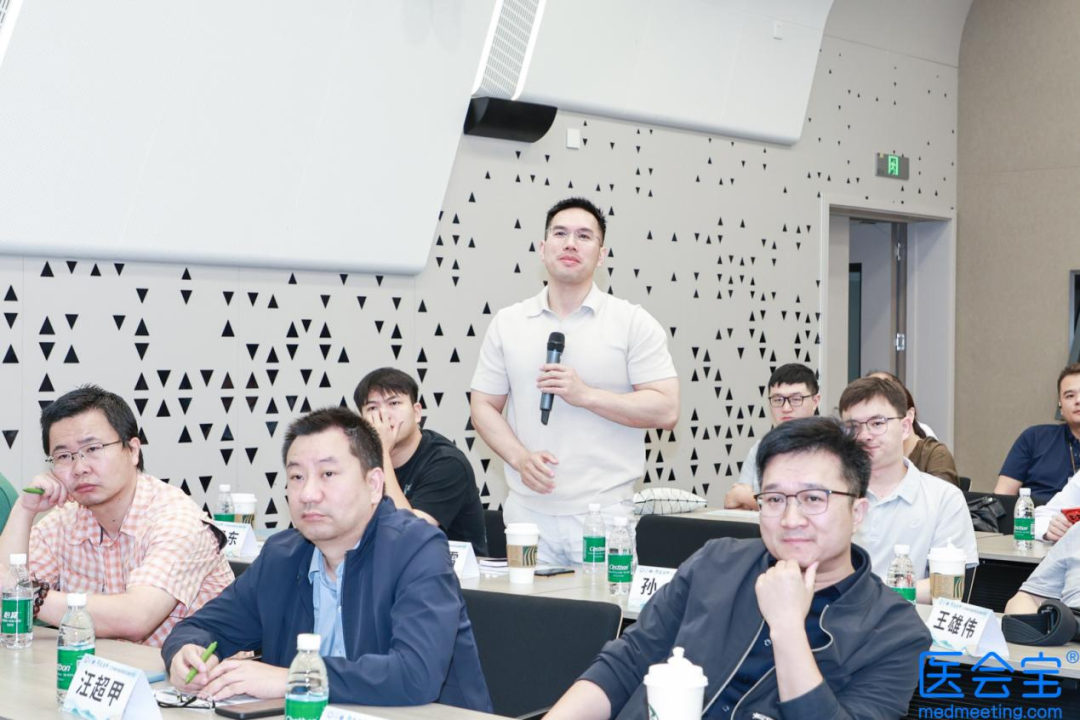
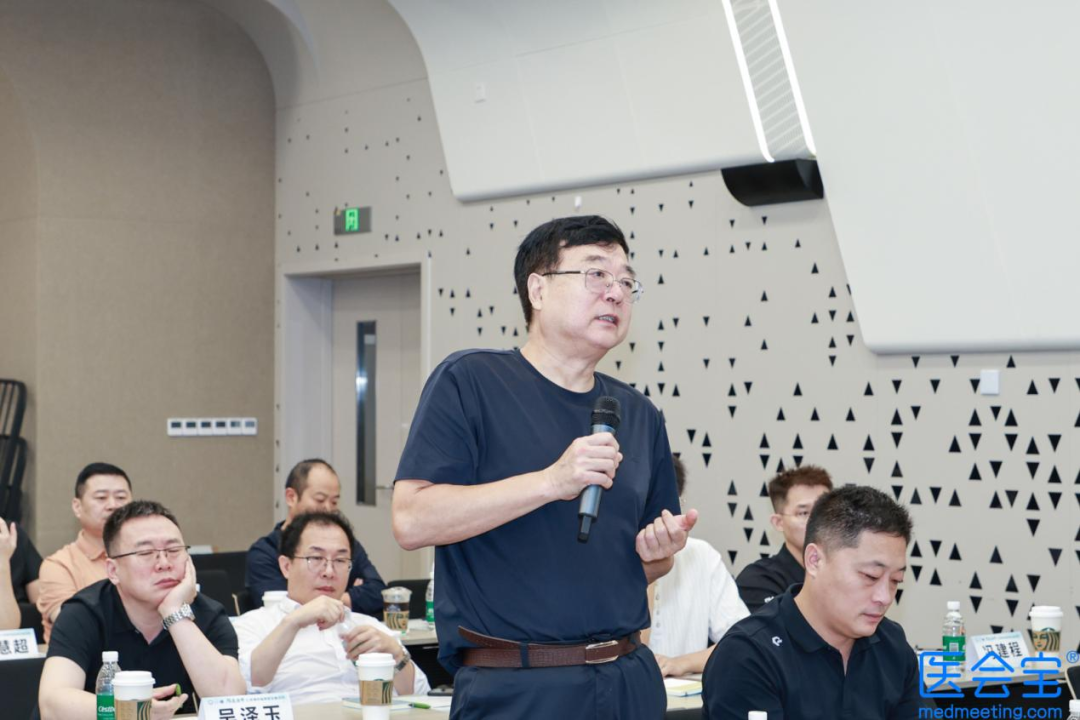
Participants discussed material selection, complex cases and postoperative complications. Questions grounded in actual clinical situations and interaction between experts and trainees strengthened the practical value of the visit.
Multiple perspectives on the key stages of neurocritical care
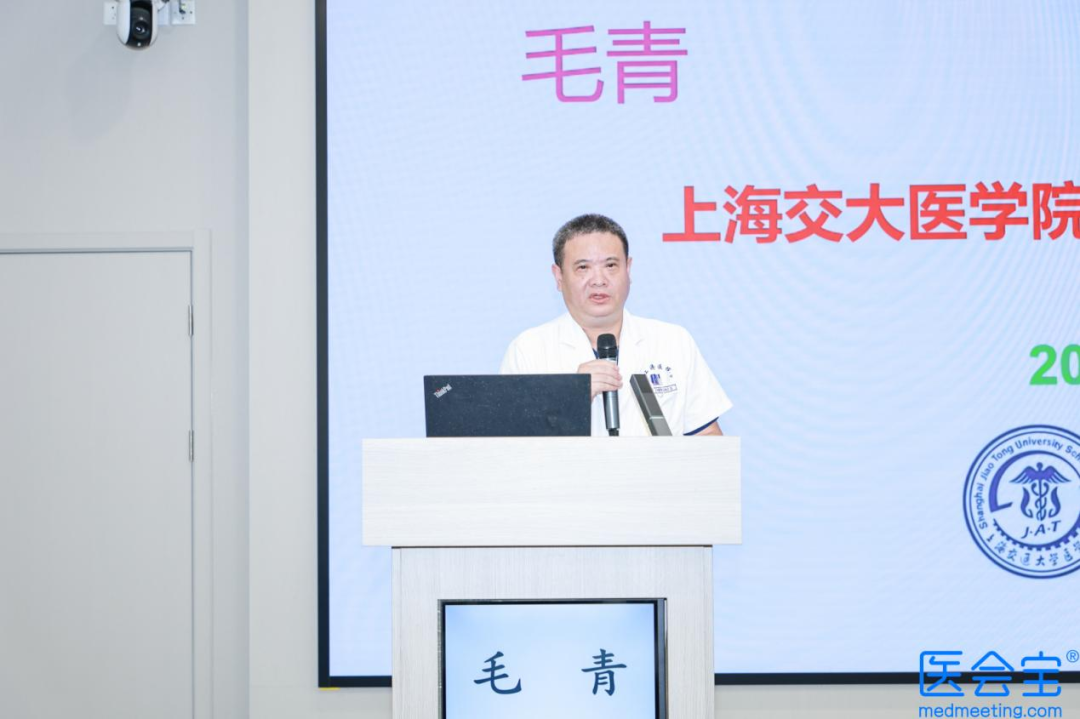
Professor Qing Mao presented “Management of Neurocritical Patients: I-STOP,” systematically reviewing the assessment, treatment and management of critically ill patients, and offering clinicians another way to approach complex cases.
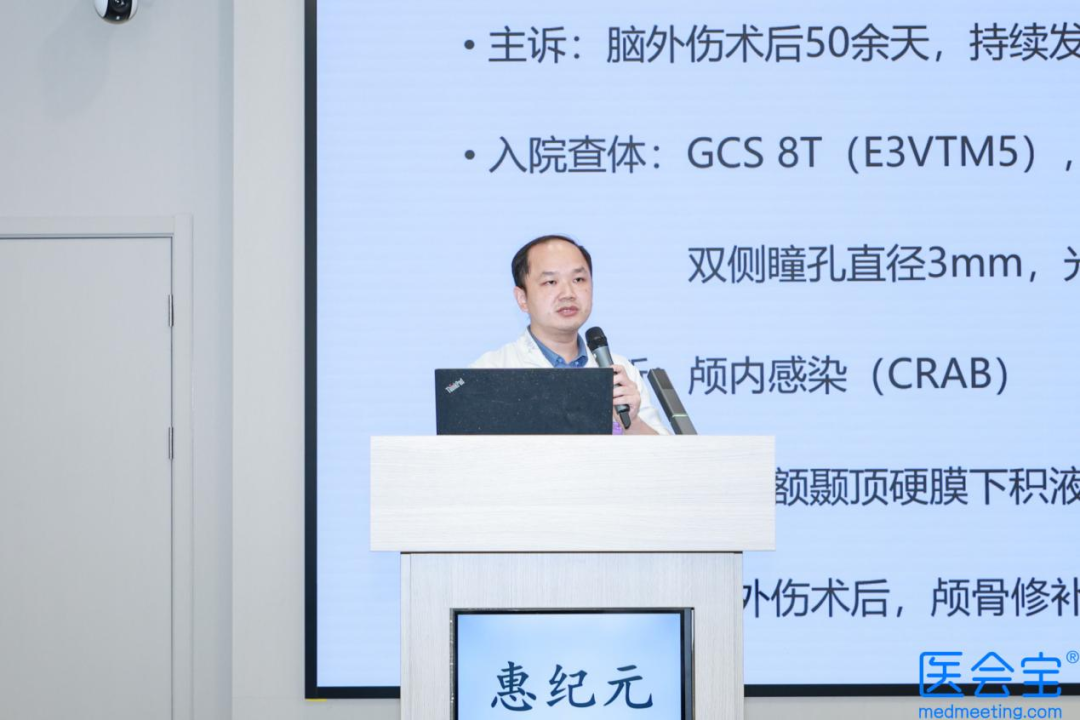
Dr Jiyuan Hui presented “Treatment of One Case of Intracranial Acinetobacter baumannii Infection,” illustrating practice from diagnostic assessment to treatment adjustment.
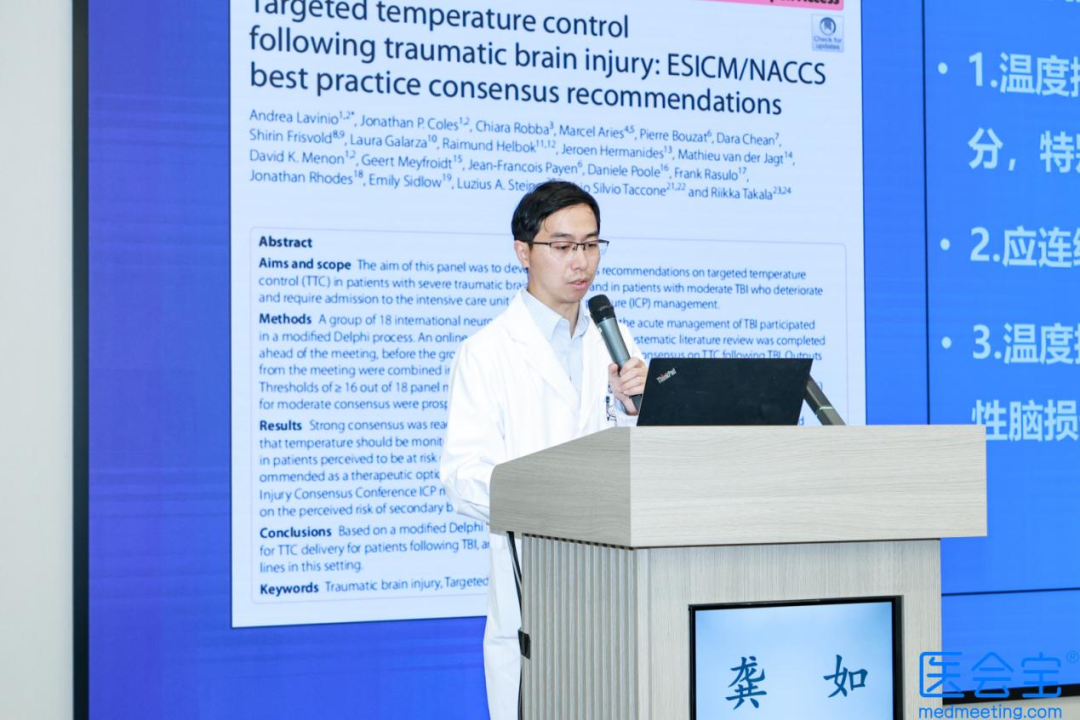
Dr Ru Gong presented “Experience with Targeted Temperature Management in Neurocritical Care,” describing observations and experience from its clinical application.
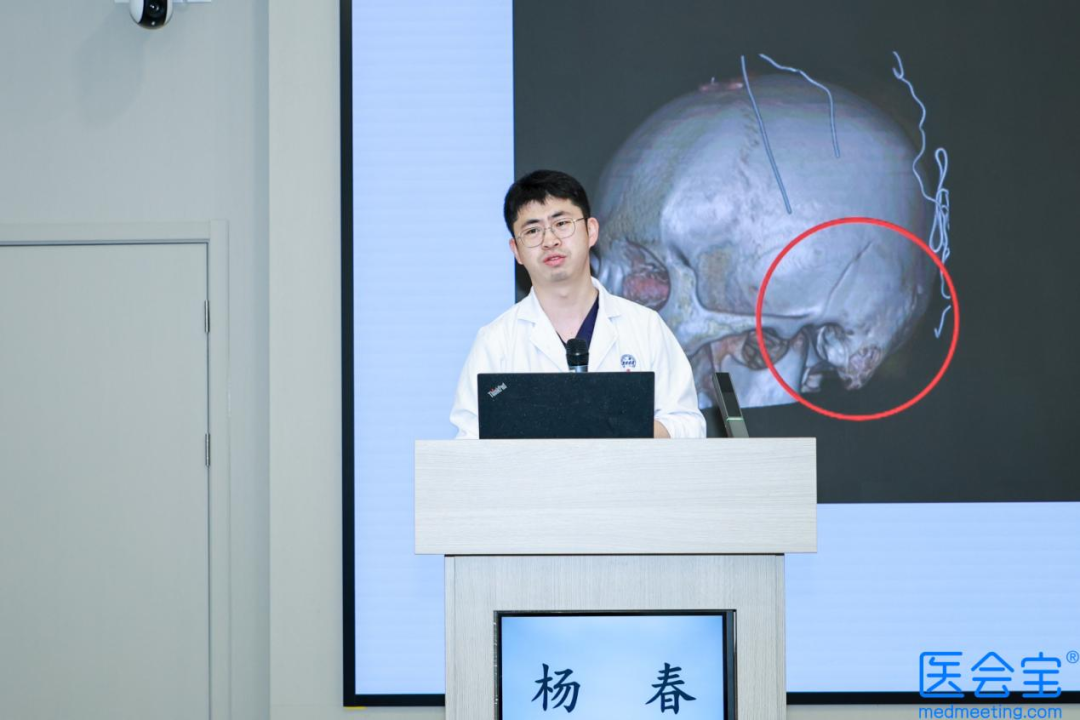
Dr Chun Yang reviewed “Treatment Experience in One Case of Subdural Fluid Collection after Decompressive Craniectomy for Severe TBI,” explaining observation, assessment and management of a postoperative case.
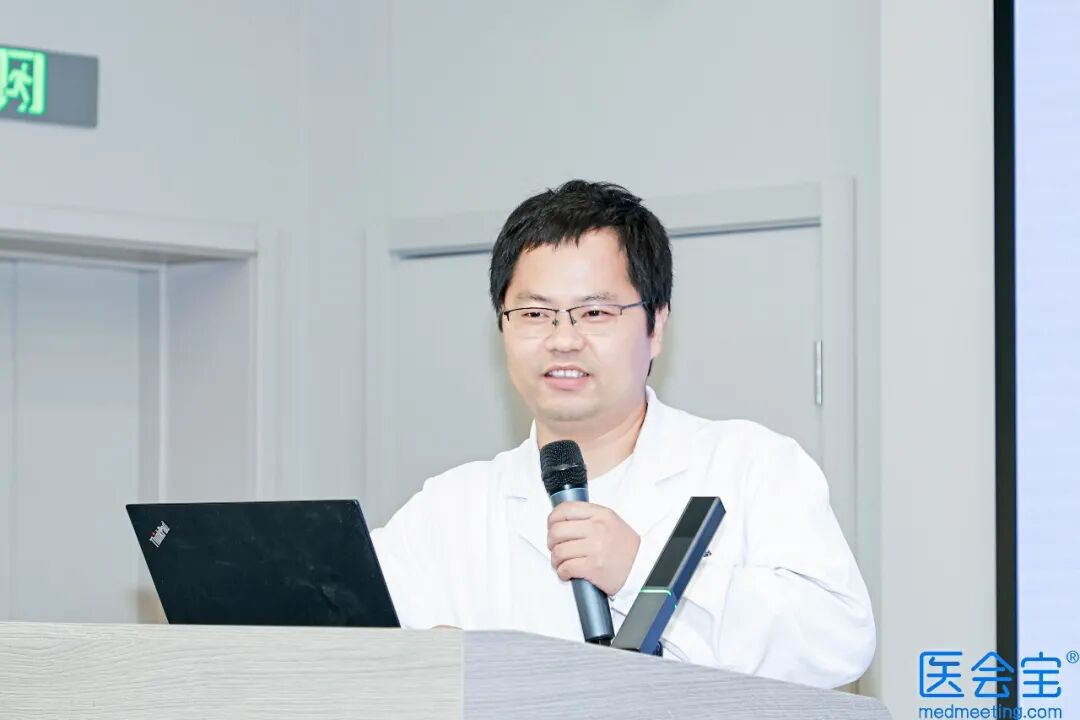
Dr Ke Cao presented “PEEK Materials in Primary Reconstruction of Multiple Craniofacial Injuries,” using a complex injury case to discuss primary reconstruction.
Visiting the NICU: bringing exchange back to the bedside
Beyond classroom teaching, the event included an on-site NICU visit. Participants learned about admission pathways, monitoring, management and collaboration across care stages, connecting theory with actual clinical settings.
Learning through visits and exchange
From standard large-flap decompression and cranioplasty to intracranial infection, neurocritical management and postoperative complications, this Renji visit remained centred on real clinical questions.
Under Director Feng’s leadership, Renji’s neurosurgery team shared its experience with colleagues from across China, while participants brought questions from their own work. Lectures, questions and discussion enabled two-way exchange.
The value of a visit lies not simply in learning a technique or a case-management approach but in broadening clinical thinking through different experiences.
The team looks forward to further exchanges and visits grounded in frontline care, enabling fuller sharing of standardised approaches, practical experience and new technologies and supporting continuing improvements in neurosurgical care.
Copyright notice: Intellectual property in content published by BrainMed’s Neurosurgery News, Neurointerventional News, Brain Medical Consultation and AiBrain belongs to BrainMed, the organisers, original authors and other rights holders. Republishing, excerpting, copying, cropping or recording without permission is prohibited. Authorised use must acknowledge the source. Forwarding and sharing are welcomed.
9月11日,“颅赢巅峰——仁济神外临床前沿参访行”在上海交通大学医学院附属仁济医院举行。
本次活动由上海交通大学医学院附属仁济医院神经外科主任冯军峰教授牵头组织,围绕颅脑创伤、神经重症、颅骨修补、颅内感染及术后并发症管理等临床热点,通过专题授课、病例交流、现场答疑及NICU参访等形式,为来自各地的神经外科同道搭建起深入临床、相互学习的交流平台。
以临床问题为起点,搭建深度交流平台
活动伊始,冯军峰主任致欢迎辞,对来自全国多地的神经外科同道表示欢迎。他表示,神经外科尤其是颅脑创伤与神经重症领域,患者病情复杂、救治环节多,许多临床问题不仅需要规范化的诊疗理念,也需要不同中心之间不断交流实践经验。
希望借助此次参访活动,将仁济医院在颅脑创伤救治、颅骨修补及神经重症管理中的部分临床实践与大家进行分享,同时也通过面对面的讨论,相互学习不同医院在实际诊疗中的经验与思考,在交流中不断完善诊疗理念,共同推动神经外科临床诊疗水平提升。
聚焦临床问题,共享实践经验
随后,上海交通大学医学院附属仁济医院江基尧教授为活动作开场致辞。
江教授对各地神经外科同道来到仁济医院参访交流表示欢迎。他表示,神经外科的发展离不开不同医疗中心之间持续的学术交流与经验共享,尤其在颅脑创伤、神经重症等复杂领域,临床实践中的很多问题需要在不断讨论和总结中寻找更加规范、更加有效的解决方案。
他希望参会学员能够充分利用此次面对面交流的机会,不仅听取专家分享,也把自己临床工作中遇到的难点和思考带到现场,通过充分讨论形成更多有价值的碰撞,让一次参访真正成为一次双向学习与共同提升的过程。
聚焦颅脑创伤,标准大骨瓣减压术分享
接着江基尧教授围绕《标准外伤大骨瓣减压术策略与技巧》进行专题授课。结合多年重型颅脑创伤救治经验,江基尧教授从手术适应证、标准大骨瓣减压范围、术中操作要点以及关键技术细节等方面展开讲解,对如何进一步规范手术操作、提高重型颅脑创伤救治质量进行了系统梳理,展现了许多经典案例。
授课结束后,现场学员围绕临床实际工作中遇到的手术时机判断、减压范围及患者管理等问题积极提问。江基尧教授结合具体临床场景逐一交流,使专题内容进一步从“技术规范”延伸到实际临床决策。
从颅骨修补到长期管理,仁济临床实践分享
随后,冯军峰主任围绕PEEK颅骨修补专题进行分享,从颅骨缺损患者的评估、修补时机、材料选择,到复杂缺损重建及围手术期管理等多个维度,介绍了颅骨修补过程中值得关注的临床问题,并结合PEEK材料的临床应用,对个性化颅骨重建的治疗思路进行了交流。
分享结束后,学员就颅骨修补材料选择、复杂病例处理以及术后并发症管理等问题展开讨论。现场问答紧密结合真实临床场景,专家与学员之间的互动进一步提升了此次参访活动的实践性。
多专题接力,神经重症诊疗多个关键环节全覆盖
在神经重症专题环节,毛青教授以《神经重症患者的处理:I-STOP》为题进行分享,围绕神经重症患者临床救治中的核心问题,系统介绍了重症患者评估、治疗与管理的整体思路,为临床医生处理复杂神经重症病例提供了新的思考路径。
惠纪元医生以《颅内鲍曼不动杆菌感染救治一例》为题,通过具体病例分享颅内感染患者从诊断评估到治疗调整的临床实践。
龚如医生围绕《目标温度管理在神经重症中的应用体会》进行汇报,结合神经重症患者管理经验,介绍目标温度管理在临床应用中的观察与体会。
随后,杨春医生则以《一例重型脑外伤去骨瓣减压术后硬膜下积液治疗体会》为题,从具体病例出发,对术后硬膜下积液的观察、评估与处理过程进行了总结。
曹轲医生带来《PEEK材料在颅面多发伤一期修复中的应用》,结合复杂颅面损伤病例,分享PEEK材料在一期重建中的临床应用思路。
走进NICU,让交流真正回到临床现场
专题学习之外,本次活动还安排了仁济医院NICU实地参访。学员走进临床一线,进一步了解神经重症患者的收治流程、监护管理及多环节协作模式,将课堂中的理论与实际临床场景相结合。
以参访促交流,以交流促提升
从标准外伤大骨瓣减压术到颅骨修补,从颅内感染到神经重症管理,再到术后并发症处理,本次“颅赢巅峰”仁济神外临床前沿参访行始终围绕临床真实问题展开。
在冯军峰主任的牵头组织下,仁济医院神经外科专家团队将自身临床实践与来自全国多地的神经外科同道进行分享,学员也将各自工作中遇到的问题带到现场,在授课、提问与讨论中形成双向交流。
一次参访的意义,不仅在于学习一种技术或一个病例的处理方法,更在于通过不同诊疗经验的交流,不断拓宽临床思路。
未来,也期待以更多贴近临床一线的学术交流与参访活动为纽带,让规范化诊疗理念、临床实践经验与新技术应用得到更加充分的交流,共同推动神经外科诊疗水平持续提升。
声明:脑医汇旗下神外资讯、神介资讯、脑医咨询、AiBrain所发表内容之知识产权为脑医汇及主办方、原作者等相关权利人所有。未经许可,禁止进行转载、摘编、复制、裁切、录制等。经许可授权使用,亦须注明来源。欢迎转发、分享。