Neuroscience, artificial intelligence and brain–computer interfaces in comics
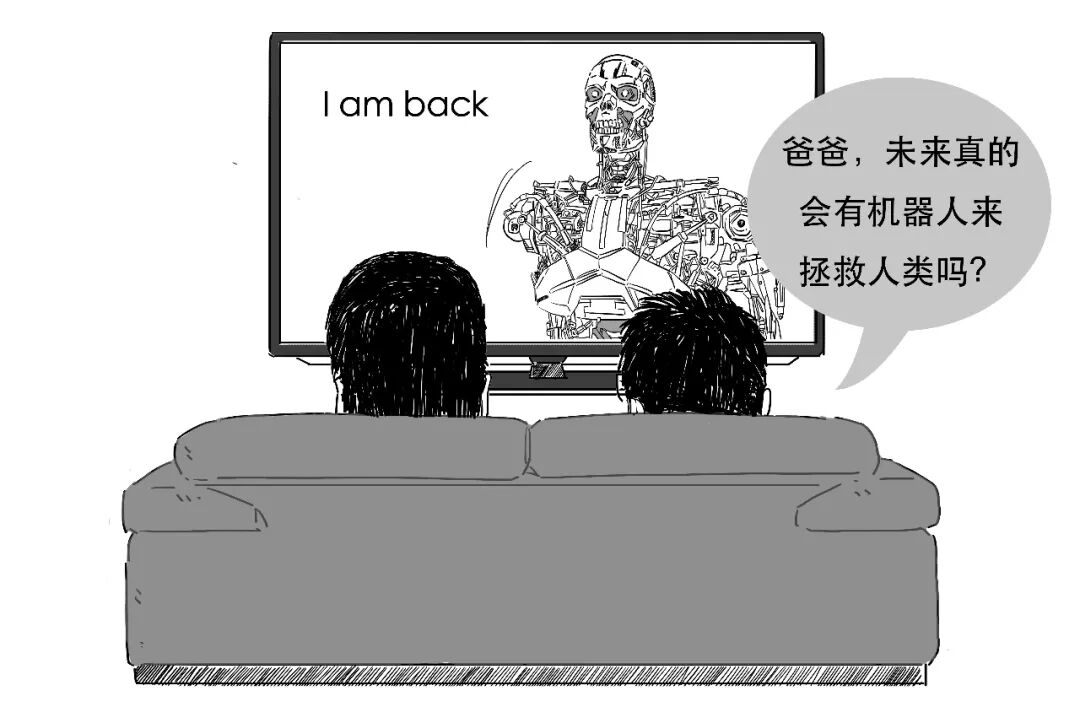
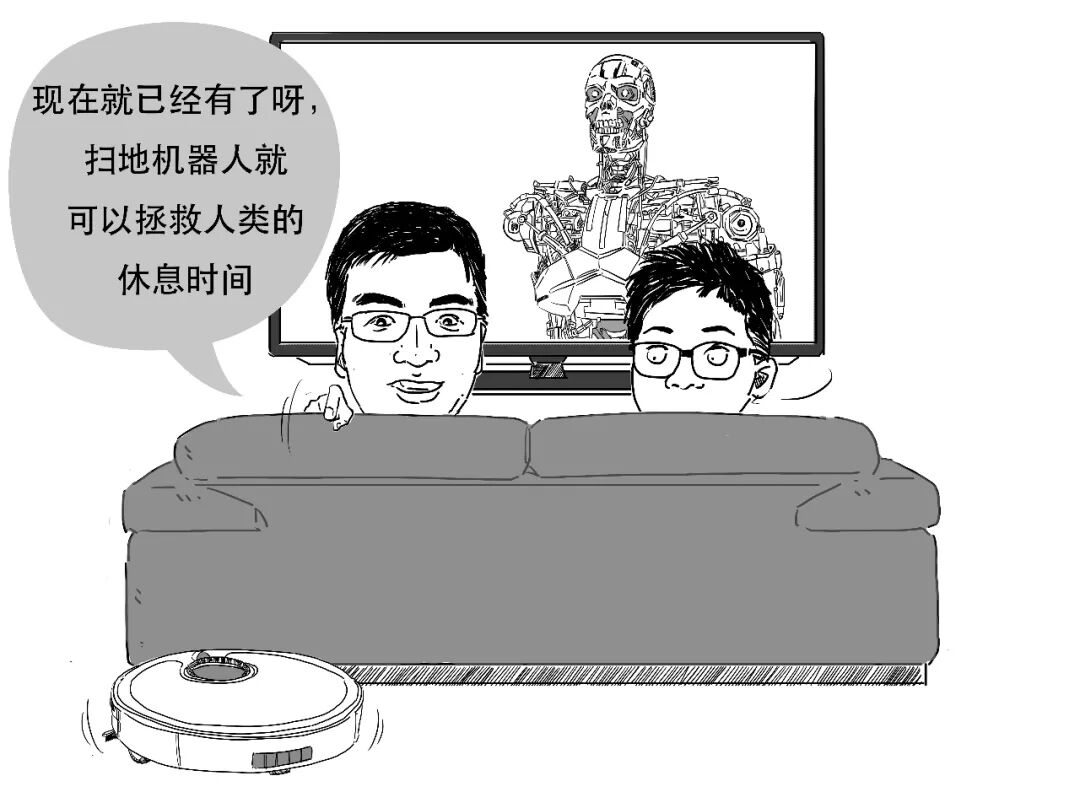
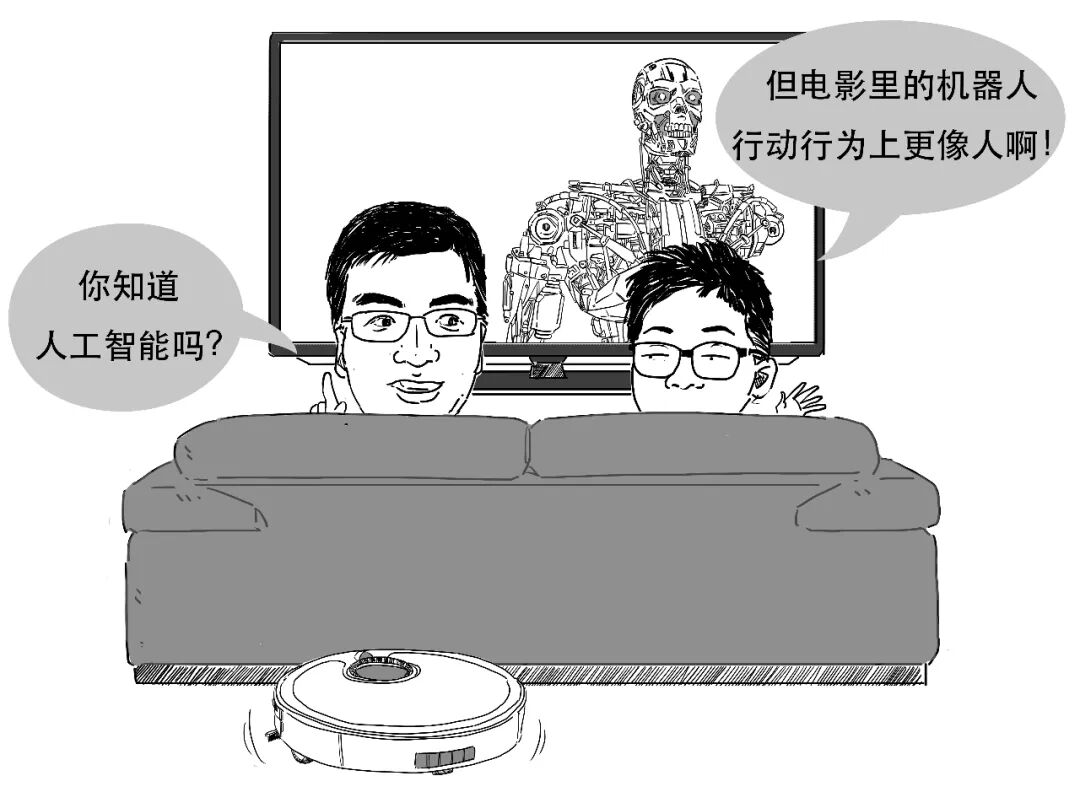
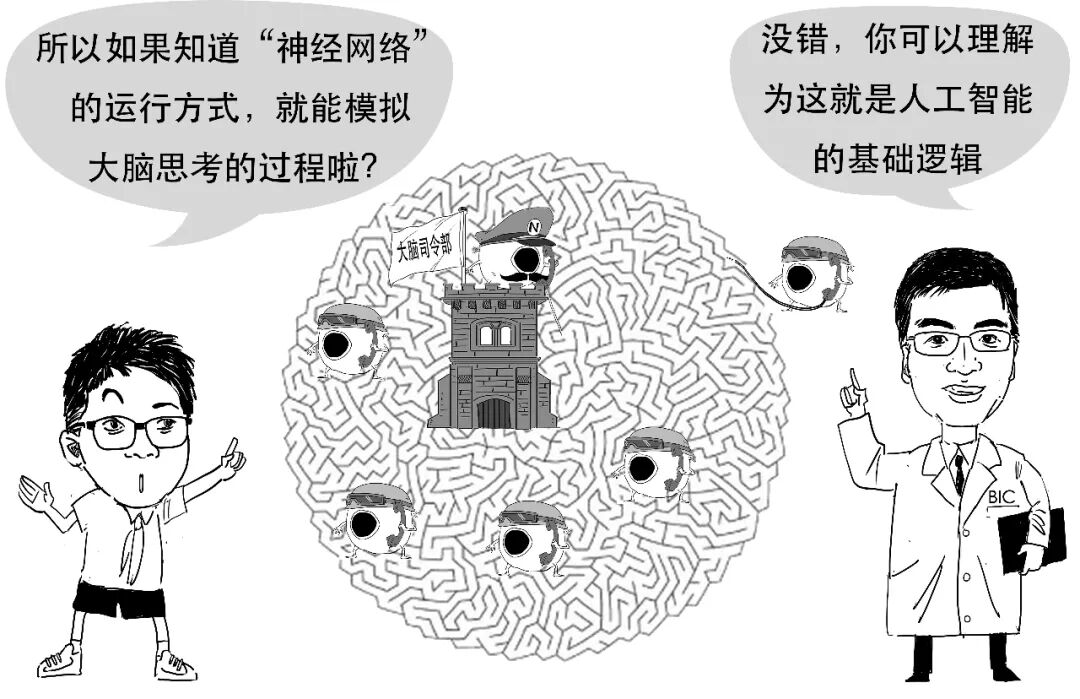
Artificial intelligence aims to make machines operate and think like a human brain.
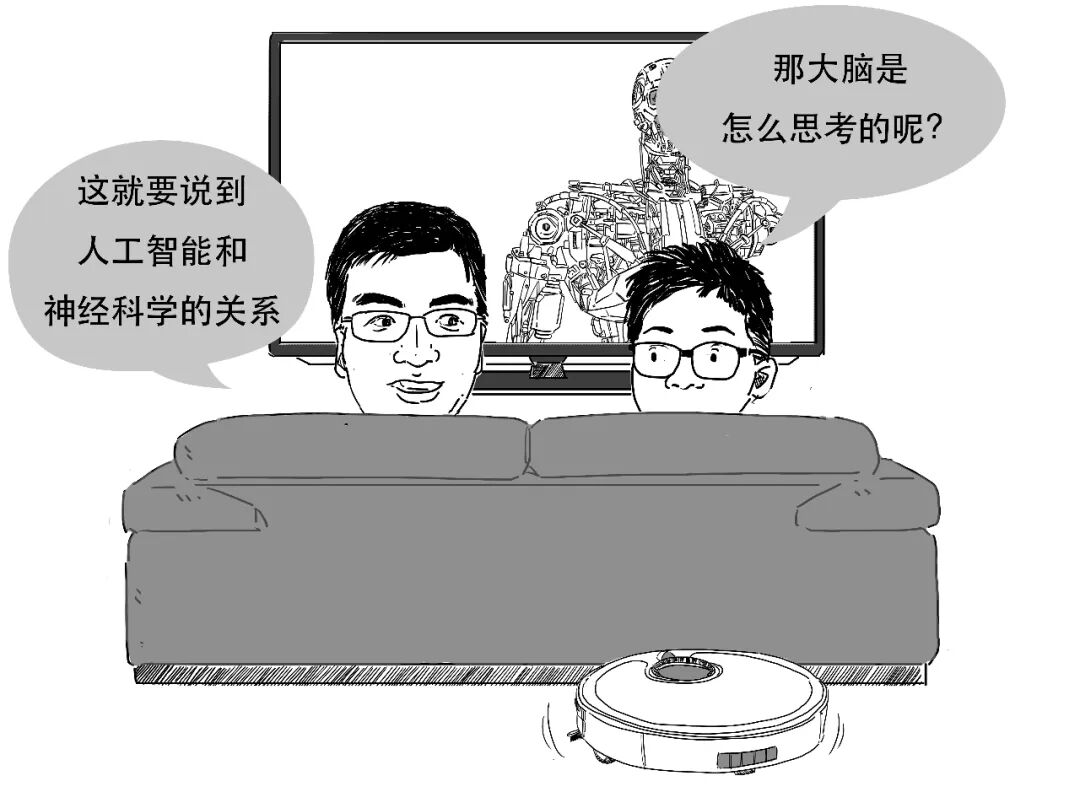
Let us start with the nervous system.
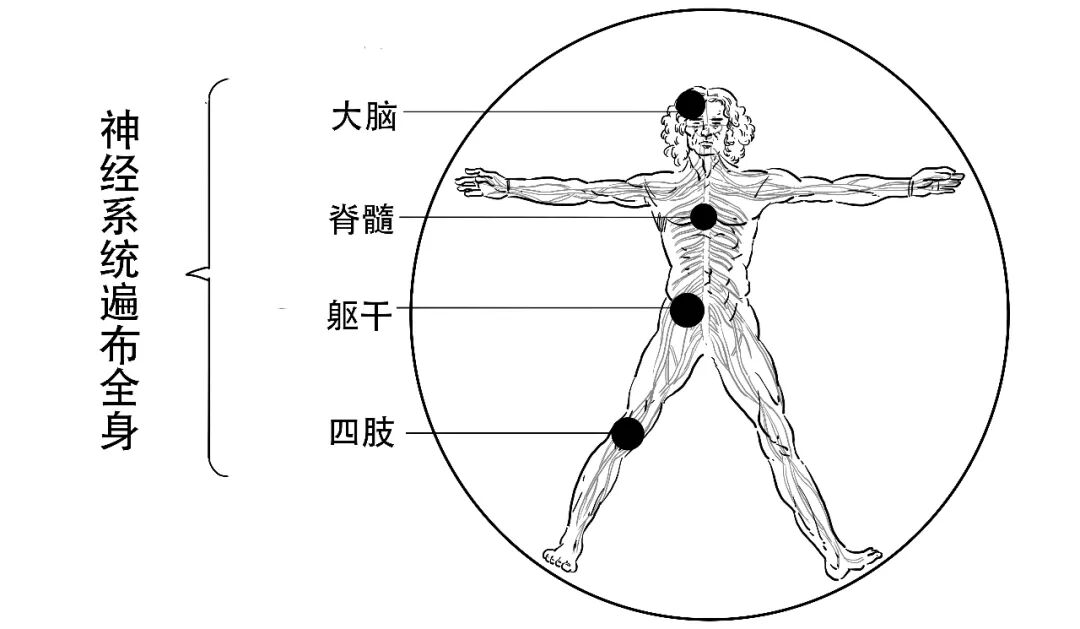
It extends throughout the body and consists of the central nervous system—the brain and spinal cord—and the peripheral nervous system, comprising other neural structures and tissues.
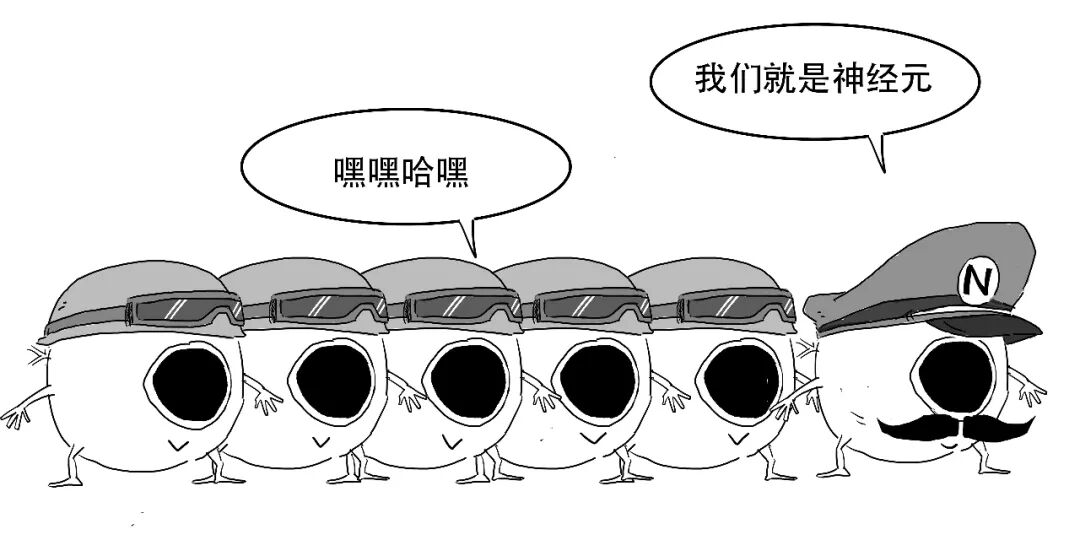
Neurons are the basic cells of the nervous system.
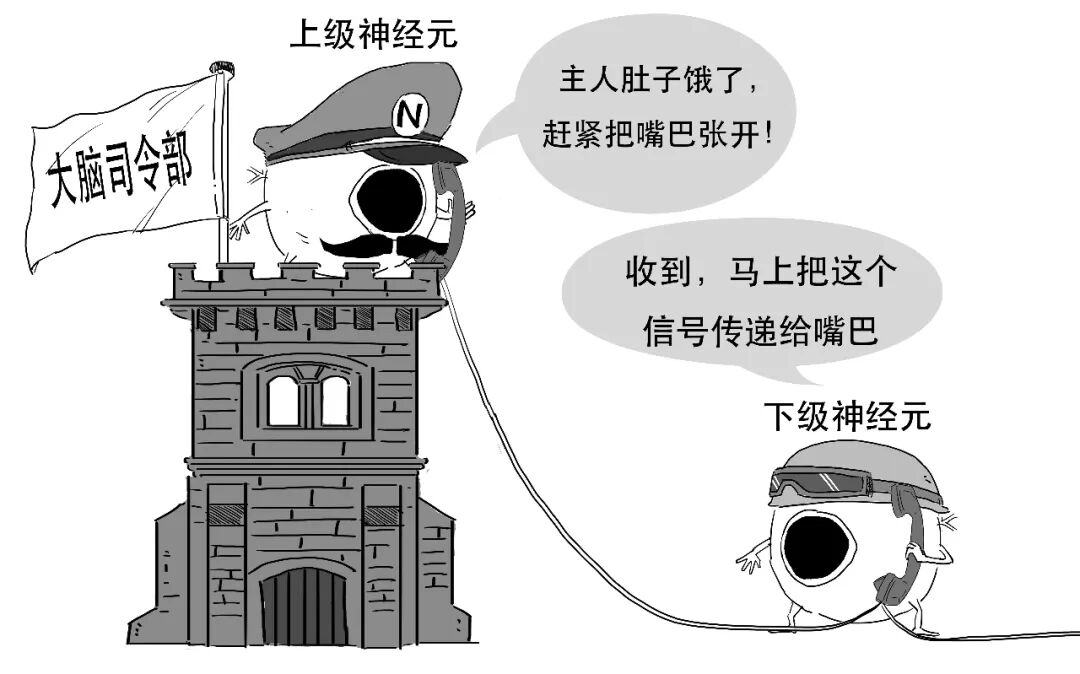
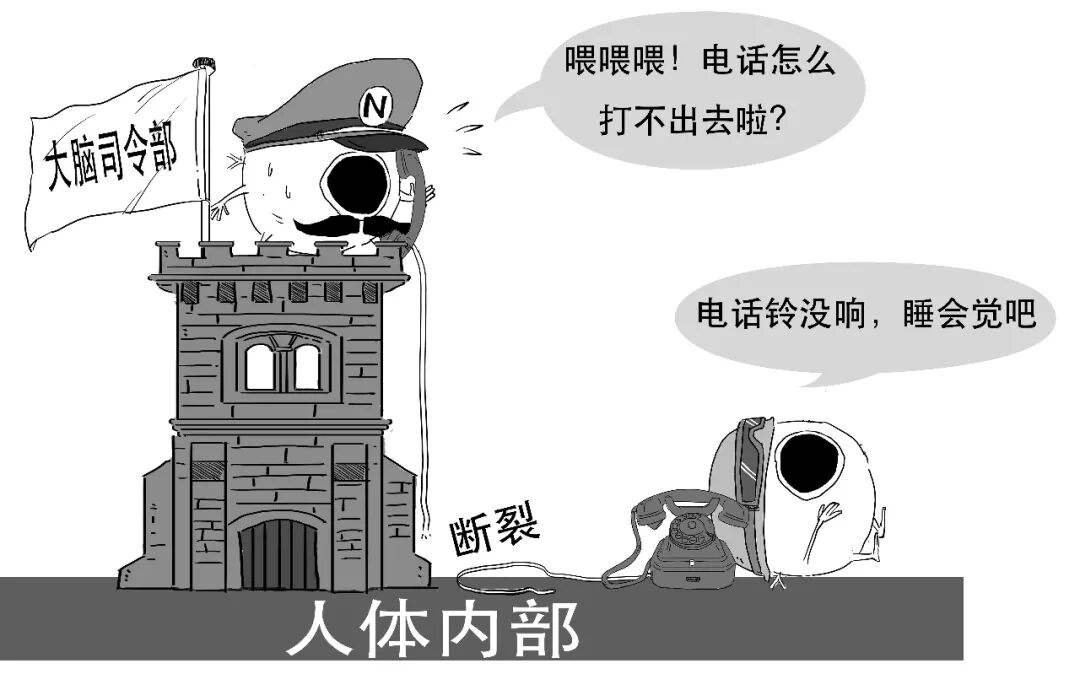
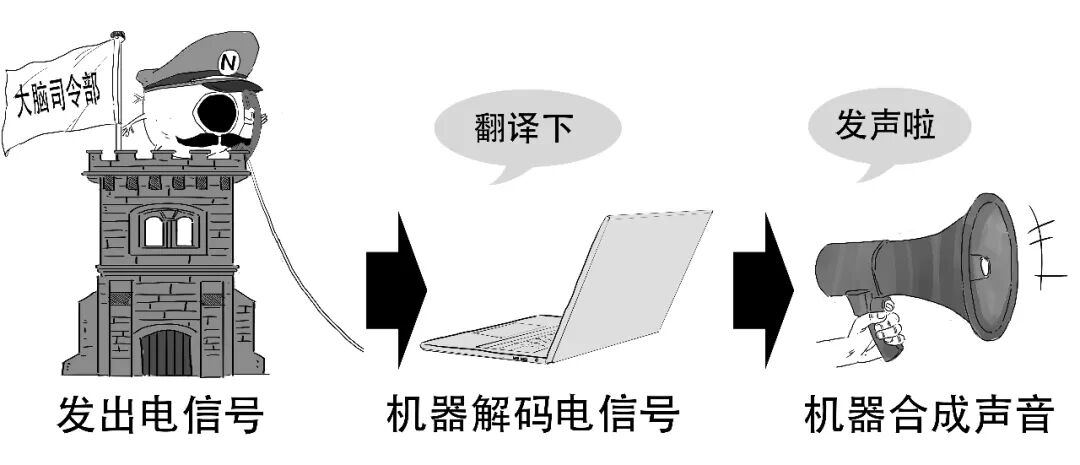
When the brain receives an external signal, such as the smell of delicious food, it immediately processes it and sends information back to the appropriate body part to produce an action. Think of the brain as a command centre: it sends electrical signals through neurons to other parts of the body, like passing information by telephone.
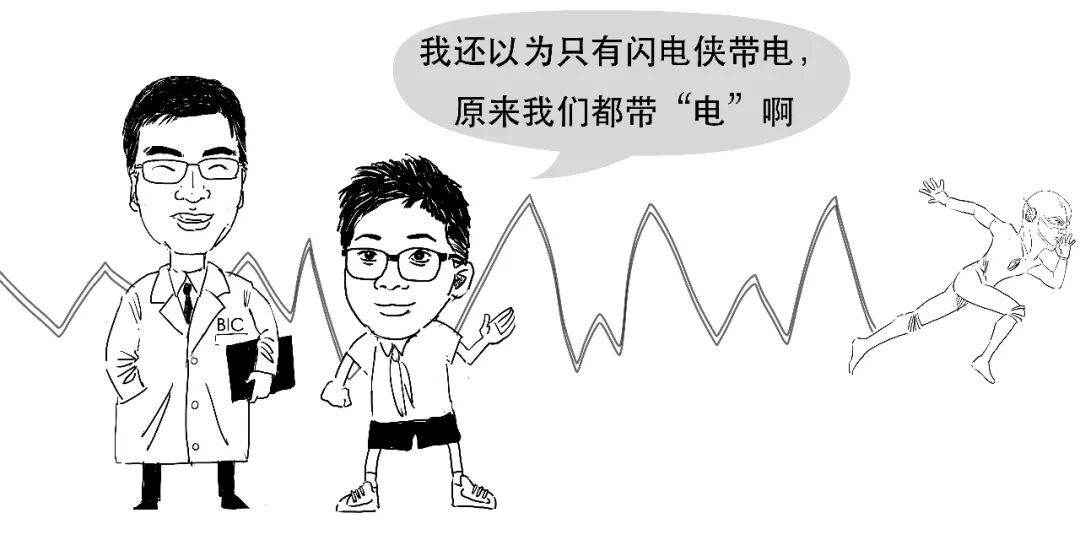
Electricity really exists in the body as electrical signals. Electroencephalograms and electrocardiograms reflect these signals. Neuronal firing is how neurons transmit them.
A key location for signal transmission between neurons is the synapse, resembling a complex system of telephone lines.
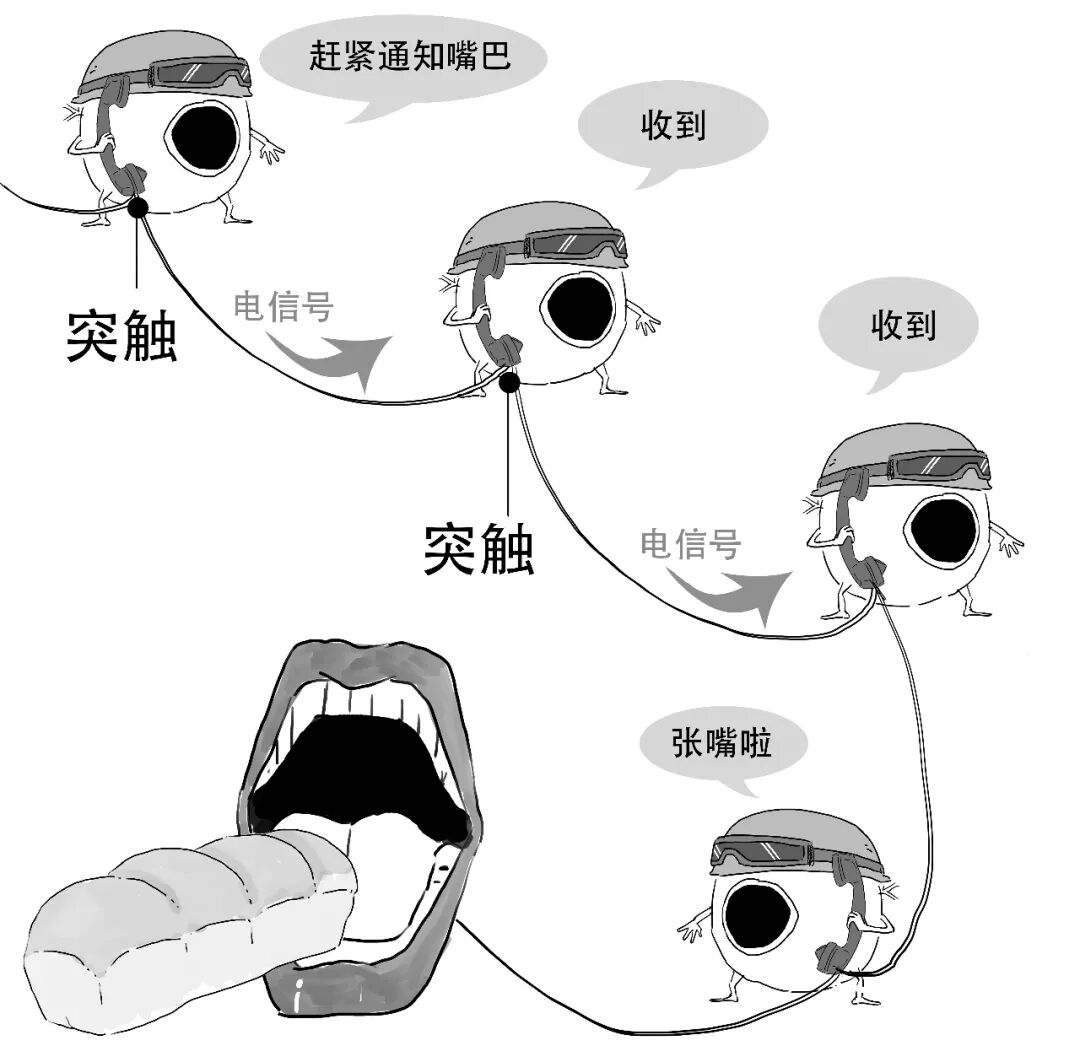
Neural signalling happens almost instantly. The network of synapses transmitting electrical signals is called a neural network.
Artificial intelligence is remarkable, but there is still debate about who should be called its father.
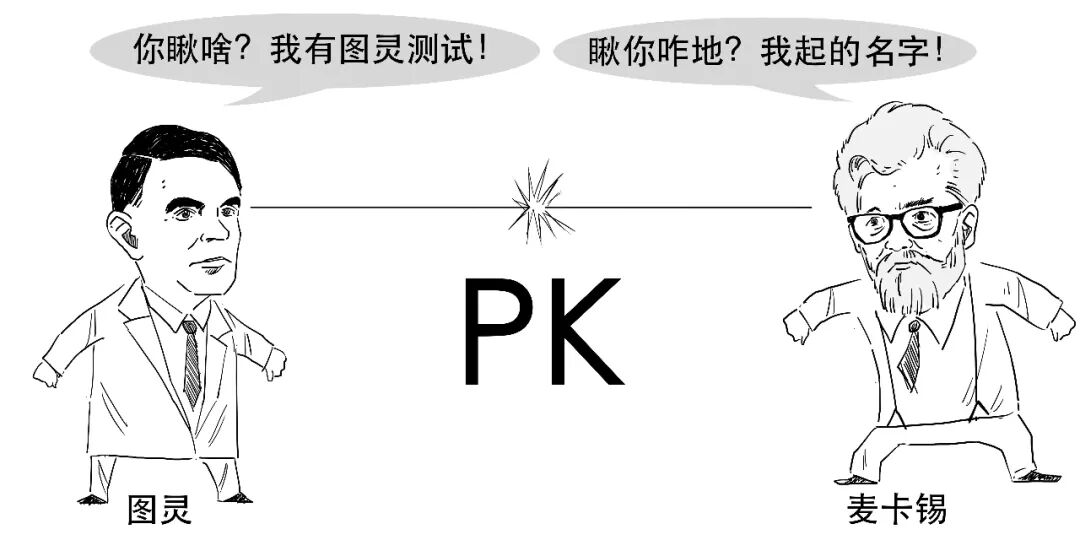
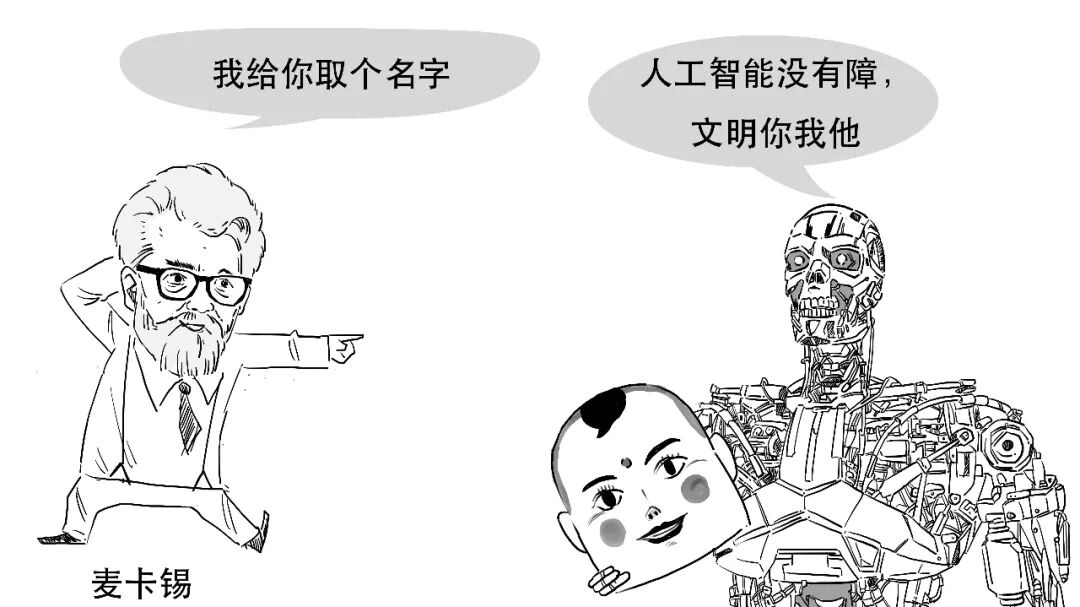
In 1950, British mathematician Alan Mathison Turing proposed the famous Turing test, an experimental approach to deciding whether a machine has intelligence.
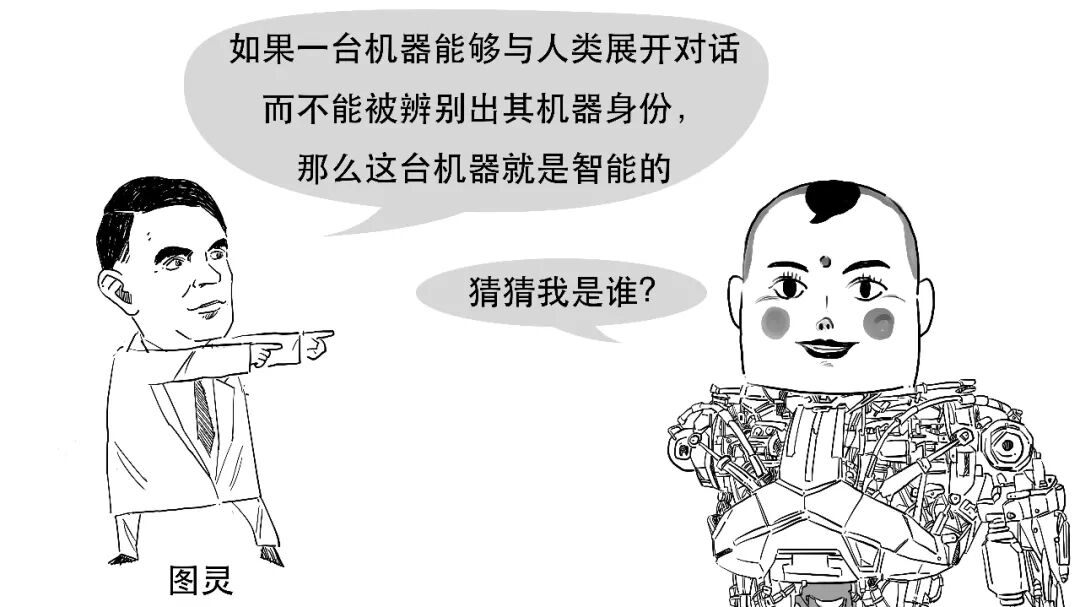
In 1956, American mathematician John McCarthy first introduced the term “Artificial Intelligence”, or AI, at the famous Dartmouth meeting.
The more than half-century of AI development has also seen rapid progress in neuroscience. AI has many neurosurgical applications. Patients who develop coma or disability because of TBI and other neurological conditions may be helped by combining AI with brain–computer interfaces.
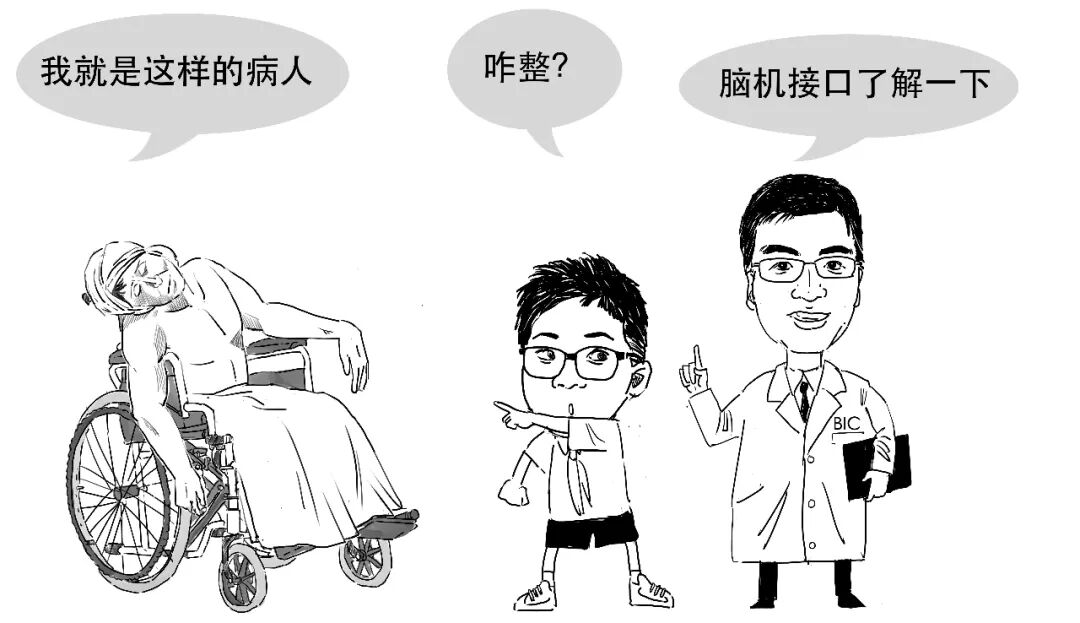
A brain–computer interface (BCI), simply put, extracts neural signals directly from the brain to control external machinery. Imagine neurological disease leaving the brain's command centre unable to make its “telephone calls”.
We can try connecting new lines from the brain to external machines, allowing those devices to replace some damaged functions.
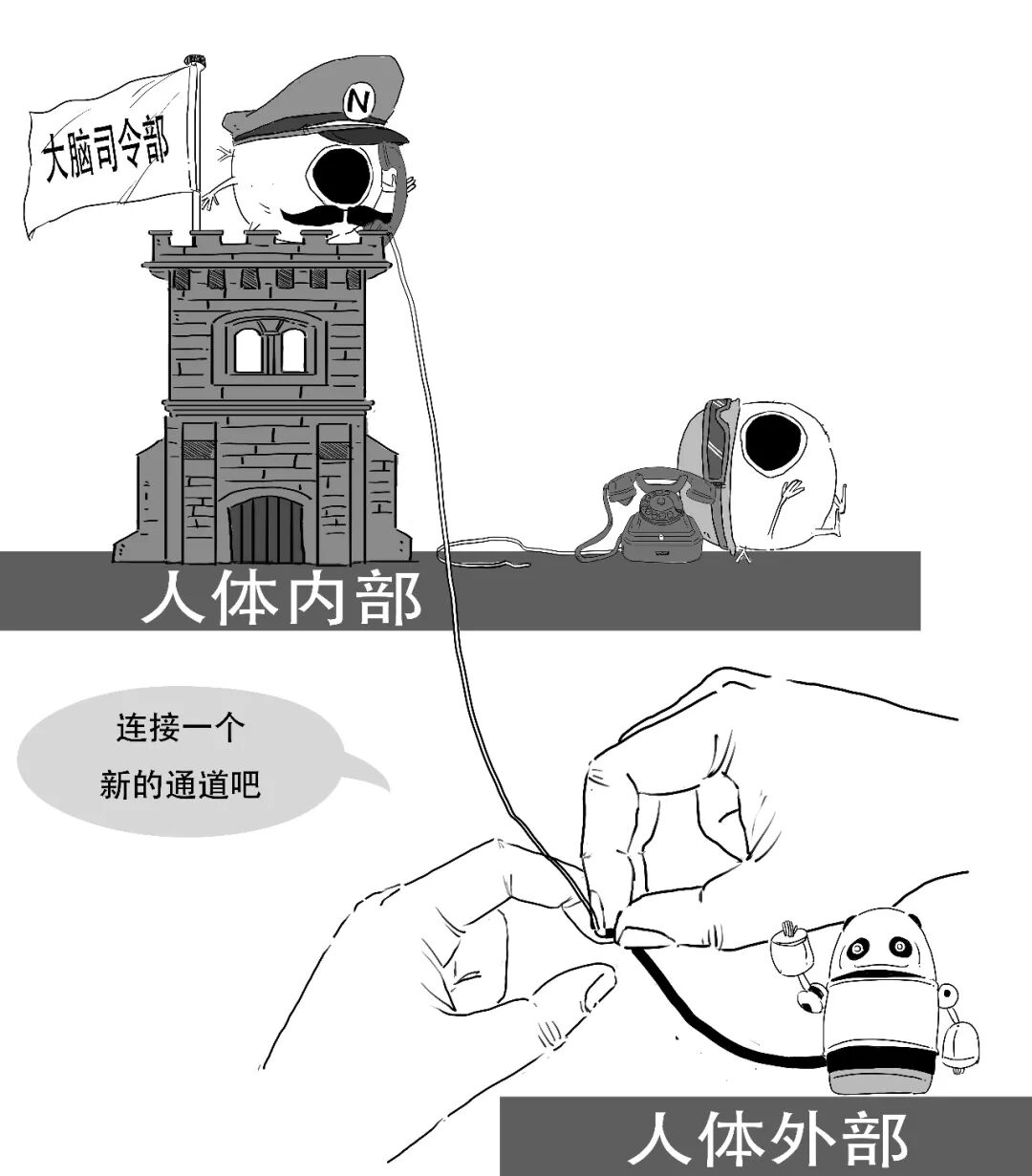
More precisely, a BCI creates a new communication and control channel between the brain and its environment, independent of peripheral nerves and muscles, enabling direct interaction with external devices.

In neurosurgery, BCIs can offer patients and people with disabilities ways to communicate with and control the outside world, addressing key difficulties with speaking, writing and movement.
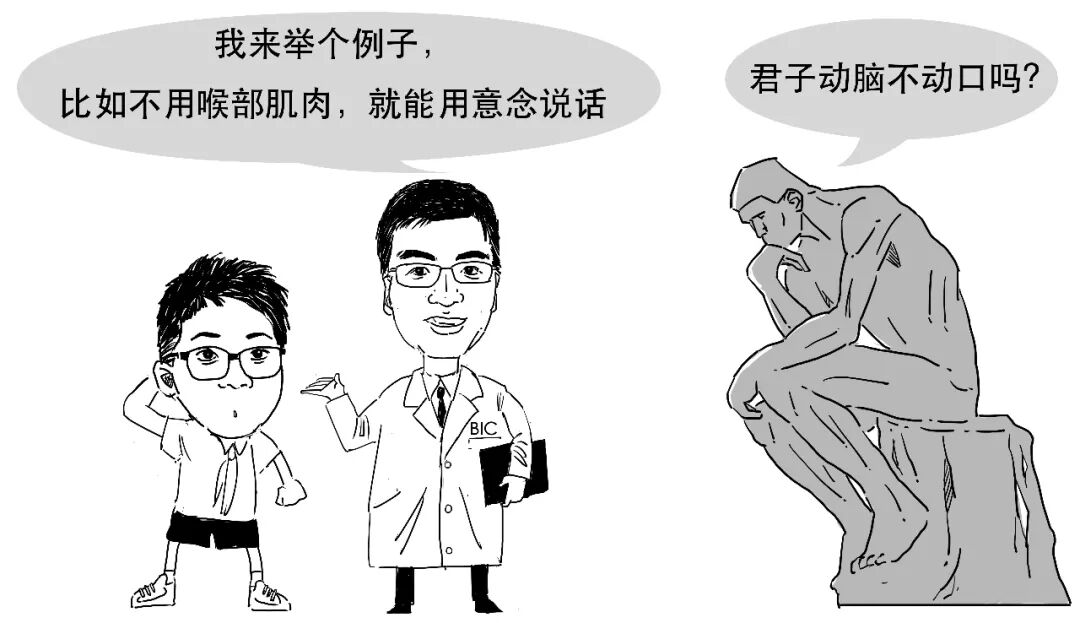
In 2019, University of California, San Francisco researchers used machine learning to decode electrical signals controlling laryngeal muscles. Through a BCI and machine-generated speech, a person unable to speak could produce sentences.
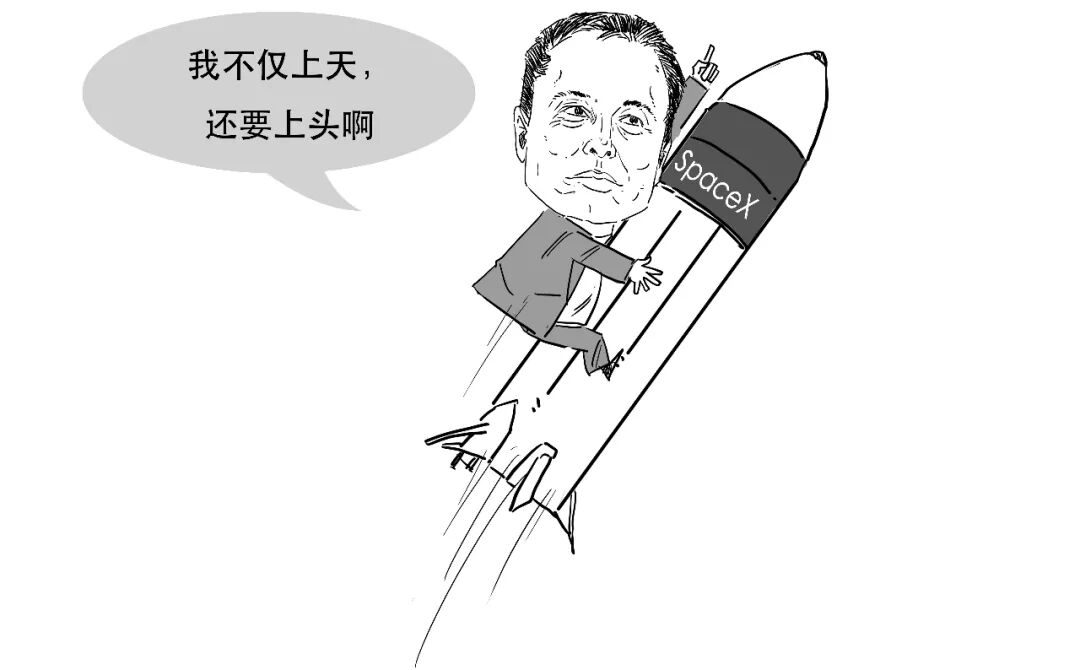
Elon Musk, founder of SpaceX and Tesla, strongly supports BCI technology and established Neuralink to develop implantable interfaces.
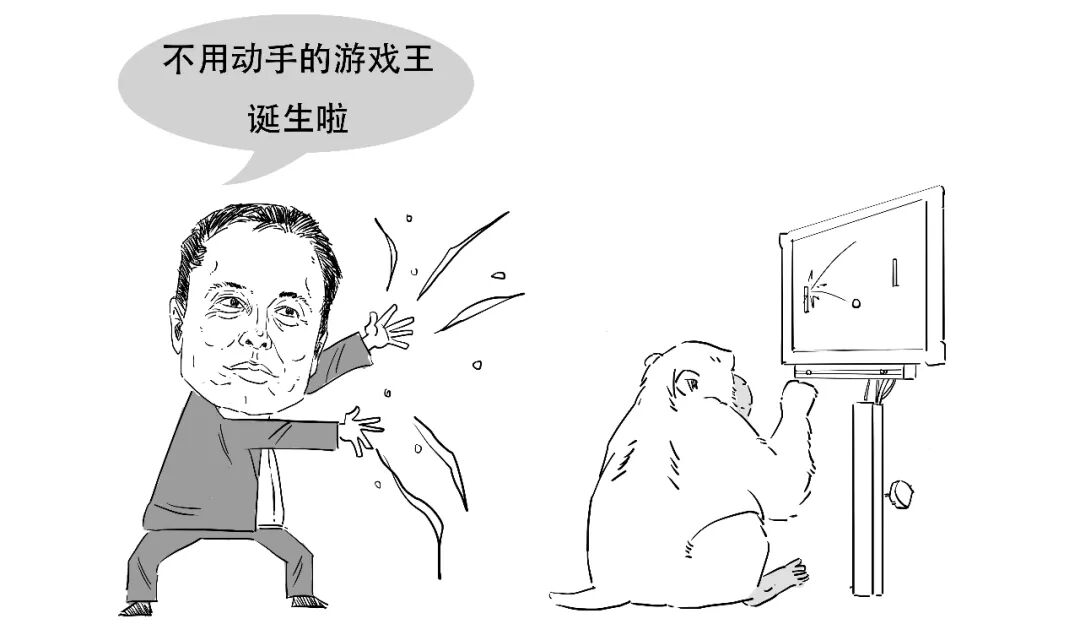
Neuralink's BCI technology has enabled a monkey to play a computer game using its thoughts.
China's BCI technology has also advanced substantially. Scientists have enabled a person with disabilities to control a robotic arm mentally to pick up and drink cola, and a person with amyotrophic lateral sclerosis who could no longer speak to recite poetry.
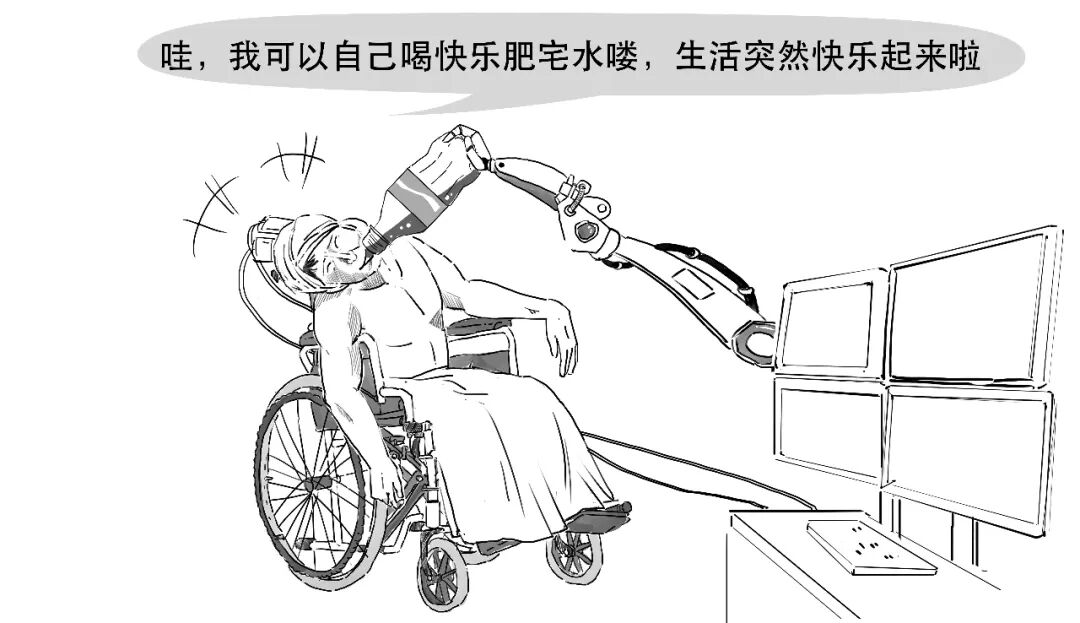
When electrical signals for speaking, writing or movement cannot effectively reach the corresponding body parts, BCIs may help execute those signals, alter motor function and improve quality of life.

These interfaces depend on the relevant brain areas functioning normally. If trauma destroys part of the brain—the command centre is damaged or absent—the corresponding interface cannot perform its intended function.
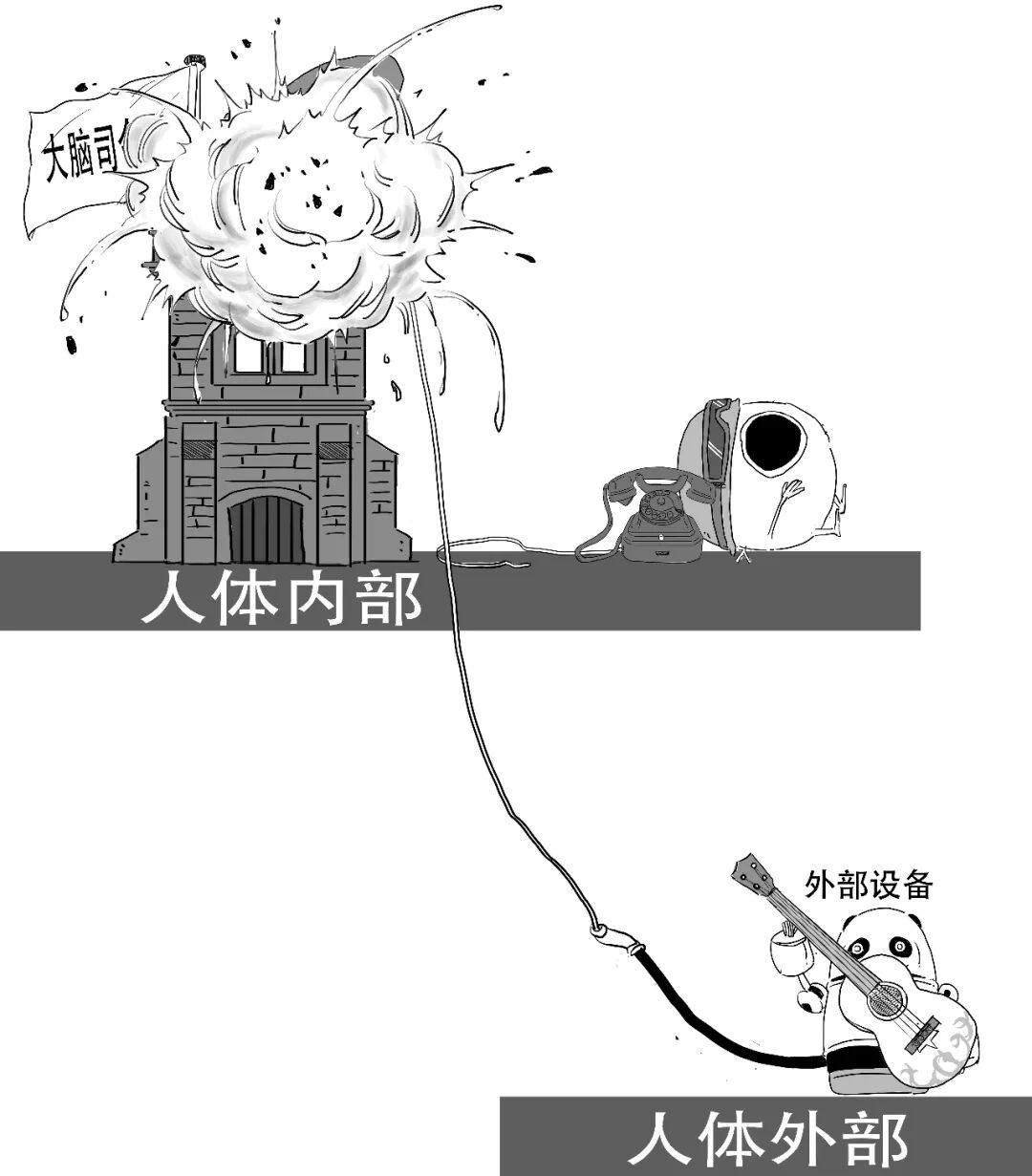

Such BCIs therefore help transmit and execute commands when cortical function is not severely impaired but peripheral structures, such as limb motor nerves, spinal nerves or motor nerves controlling vocal-cord muscles, are damaged.

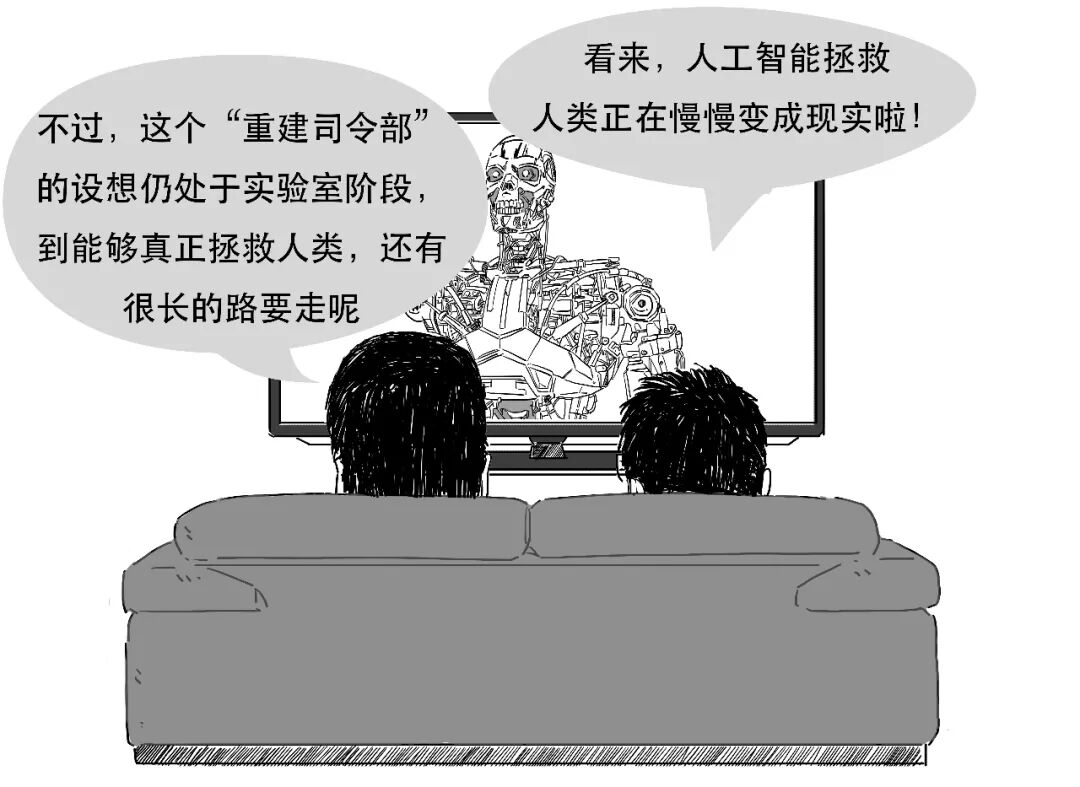
The “neuro-chip” that might rebuild the command centre is a pioneering frontier of medical research.
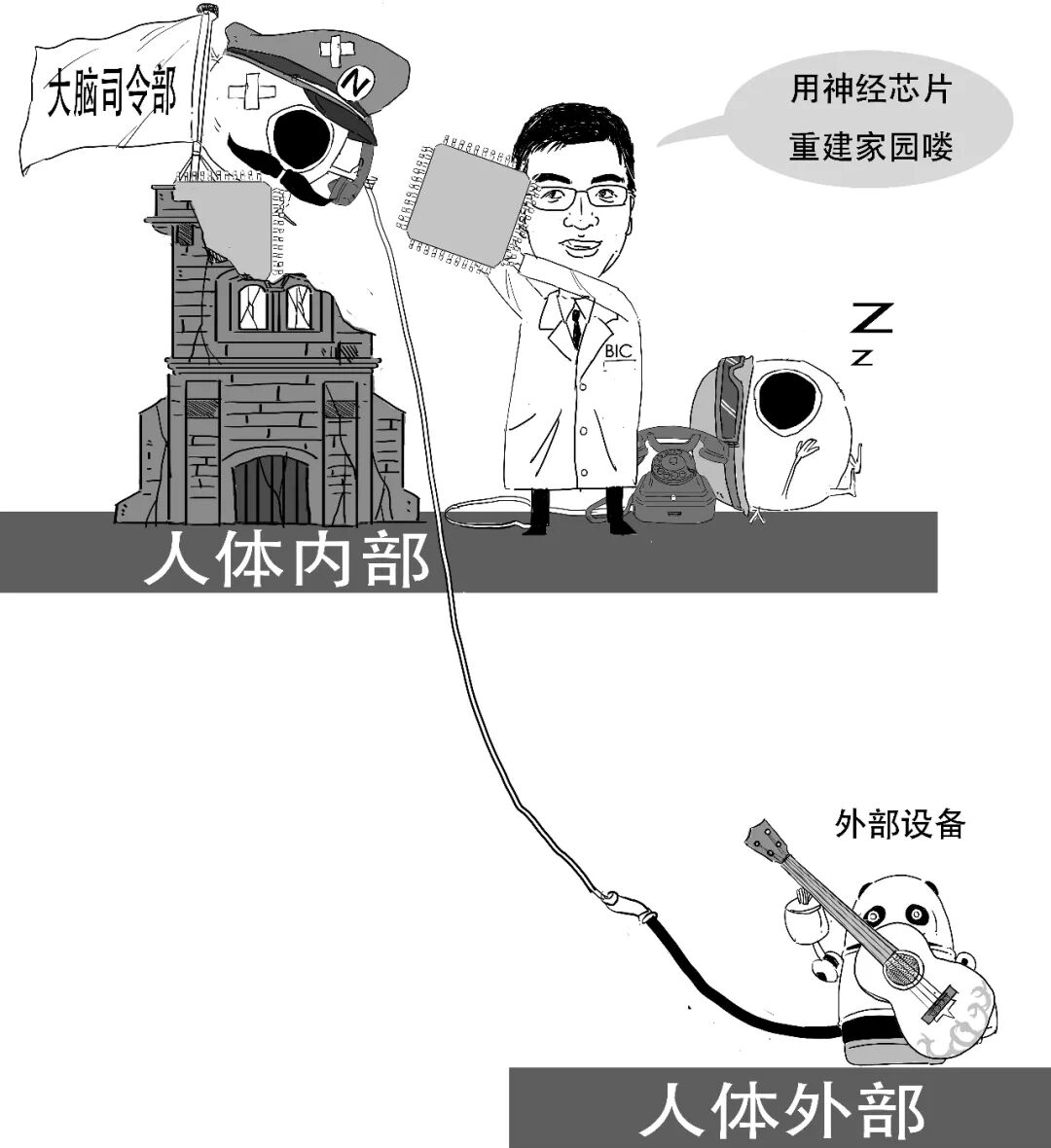
Researchers investigate circuits on these chips that guide neurons or neural stem cells to grow into networks with particular structures and functions, with the eventual aim of repairing some damaged cortical functions.
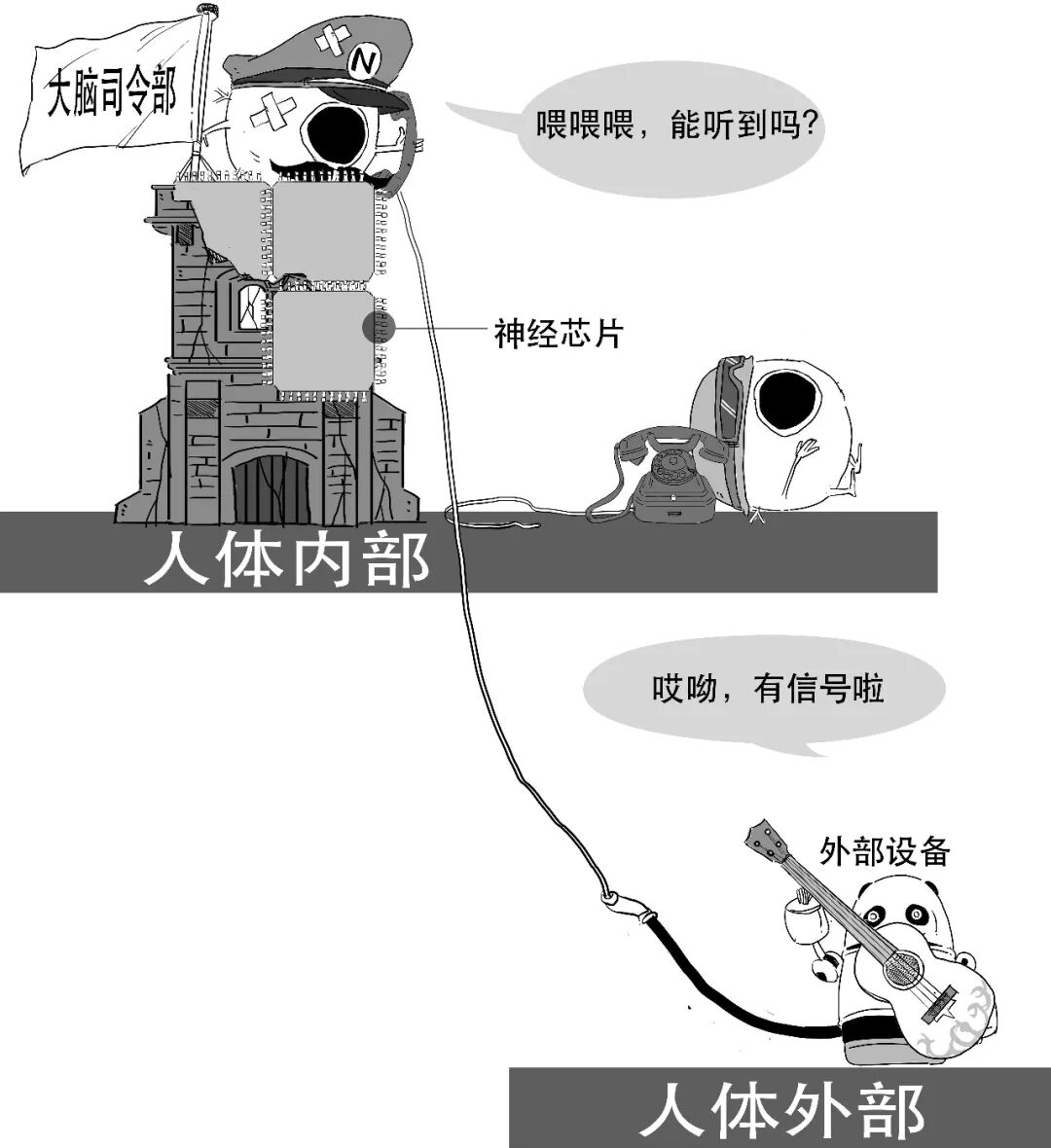
Neuro-chips and brain–computer interfaces offer patients hope.



May 2022, the Year of the Tiger, bring courage and a future as vast as the stars and sea.

Previous instalments: “Talking About Brain Injury” and “Understanding Craniotomy”.
Disclaimer
This is a serial neuroscience education comic. We aim for accurate, reliable information, but it is not medical consultation advice and should not be used to diagnose neurosurgical disease. For related conditions, attend a qualified hospital.
人工智能就要让机器做到“像人的大脑一样运行,一样思考”。
下面我们从神经科学中的“神经系统”说起。
神经系统遍布于人的全身,分为中枢神经系统(脑和脊髓)和周围神经系统(其他的神经结构和神经组织)。
神经元是组成神经系统最基本的细胞。
大脑一旦得到外界感受的信号,比如美食的气味,就会立刻对信号进行加工,然后再反馈给身体相应部分使之产生活动。
我们把大脑比作一个司令部,它通过神经元向身体其他部位发送电信号,
相当于用打电话来传递信息。
“电”在人体内是以“电信号”的形式真实存在的,比如我们听说过的脑电图、心电图就是这种电信号的反映。而神经元的放电过程,就是它们传递电信号的过程。
神经元之间传递电信号的关键部位叫做突触(Synapse),可以看作是错综复杂的电话线。
神经元的信号传递是在瞬间完成的。神经元突触之间构成的传递神经电信号的网络,就叫“神经网络”。
人工智能很了不起,
但在历史上关于到底谁是“人工智能”之父,仍有争议。
1950年,英国数学家艾伦·麦席森·图灵进行了著名的图灵测试,被用于判定机器是否具有智能的实验方法。
1956年,美国数学博士约翰·麦卡锡则在著名的达特茅斯会议上首次提出了“人工智能(Artificial Intelligence,AI)”的概念。
人工智能发展的半个多世纪,也是神经科学突飞猛进发展的时期。 人工智能在神经外科上得到了很多应用。
每年有很多病人因为颅脑创伤等神经系统疾病而导致的昏迷、残疾,就可以通过人工智能结合脑机接口来进行医治。
所谓的脑机接口(Brain Computer Interface, BCI),简单来说是从大脑直接提取神经信号,控制外部的机器设备。
我们打个比方,
神经系统疾病导致大脑司令部无法拨通“电话”,
那我们尝试给大脑接上新的线路,与外部机器设备相连,用外部设备代替我们自身损坏的一些功能。
具体来说,脑机接口就是指在大脑与外部环境之间,建立一种全新的、不依赖于外周神经和肌肉的交流与控制通道,实现大脑与外部设备的直接交互。
在神经外科领域,脑机接口可以为疾病患者、残障人士提供与外部世界通信和控制的方式,解决残障病人不会说、不会写、不会动的几个关键问题。
2019年,加州大学旧金山分校的研究人员通过机器学习解码了人脑支配喉部肌肉的电信号,再通过脑机接口的形式,利用机器合成声音,使失语患者能够说出句子。
太空探索技术公司(SpaceX)以及特斯拉汽车公司(Tesla)的创始人马斯克就很推崇脑机接口,为此还专门成立了一家神经技术公司Neuralink,开发可植入的脑机接口。
Neuralink公司通过脑机接口技术已经可以让猴子用意念来玩电脑游戏。
近年来,中国的脑机接口技术也有了很大的进步,
比如已经有科学家可以让残疾人能够用意念控制机械臂拿可乐喝、让已无法说话的渐冻症患者朗诵诗歌。
这些病人难以把说、写、动的电信号有效传递给身体的相应部位,脑机接口可以帮助代替执行电信号,让运动功能有所改变,提高生活质量。
前面所说的脑机接口,是建立在相应脑功能区域正常的情况下才能发挥作用。
如果病人因为外伤等原因缺失了一部分脑组织,即司令部坏了或没了,那么对应的脑机接口也就没法发挥作用了。
因此这种脑机接口的应用,要在脑皮层功能受损不严重,而外周的比如肢体运动神经、脊髓神经、支配声带肌肉的运动神经等发生损伤时,帮助大脑这个司令部来传导和执行它所发出的指令。
我们这里说的可以神通广大“重建司令部”的“神经芯片”(Neuro-Chip),其实是目前医学界里的一项开创性的前沿研究。
这种神经芯片通过利用芯片上电路结构,诱导神经细胞或者神经干细胞生长成具有一定结构和功能的神经网络,最终修复一部分受损的大脑皮层功能。
神经芯片、脑机接口的应用,
为病人带来了曙光。
让我们2022年
虎头虎脑,星辰大海。
往期精彩内容回顾
1、“漫”谈脑外伤
2、“漫”话开颅术
免责声明
本文为神经科学科普连载漫画,我们力求相关信息准确可靠,但不将此科普内容作为求医问诊的建议,读者也不应以此漫画作为神经外科疾病判断的标准。如有相关疾病,请至正规医院就诊。