The 14th Chinese Medical Association academic meeting on traumatic brain injury
Reproduced from the Trauma Branch of the Chinese Medical Association.
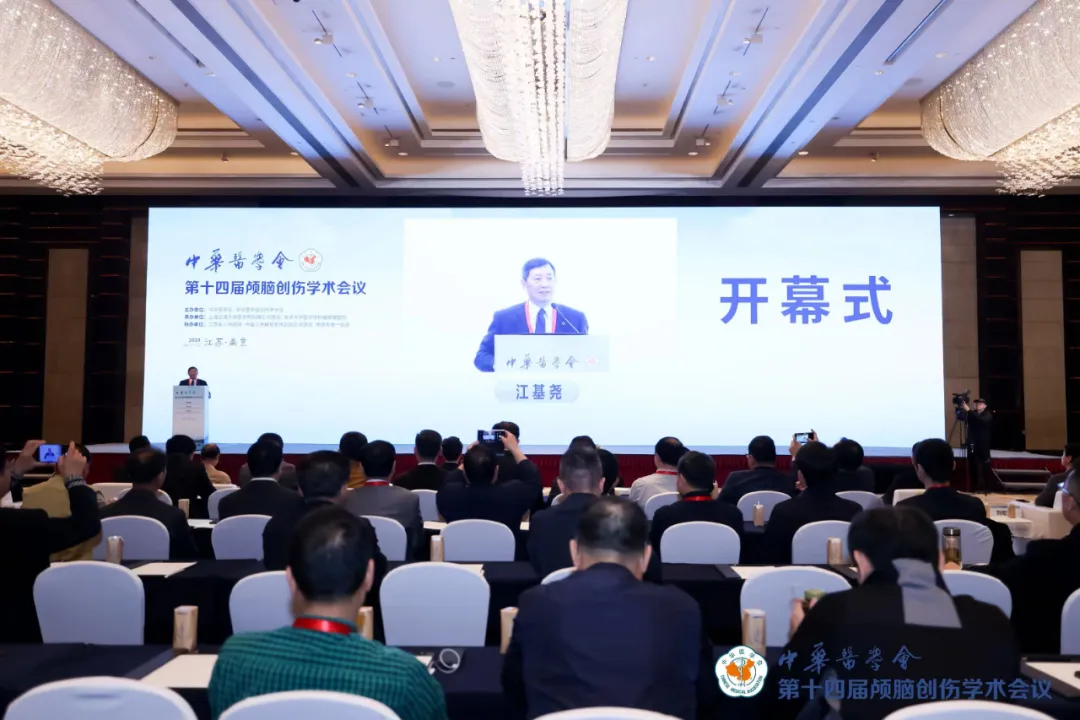
From 11 to 13 April, the Chinese Medical Association's 14th Academic Conference on Traumatic Brain Injury was held in the historic city of Nanjing. It was organised by the Chinese Medical Association and its Trauma Branch, hosted by Renji Hospital affiliated with Shanghai Jiao Tong University School of Medicine and Nanjing Drum Tower Hospital affiliated with Nanjing University Medical School, and supported by Jiangsu Province Hospital, the General Hospital of the PLA Eastern Theater Command and Nanjing First Hospital. Professor Jiyao Jiang, former Chair of the association's Trauma Branch and Renji's Chief Expert, was conference chair. Professor Junfeng Feng of Renji's Head Trauma Centre and Professor Chunhua Hang of Drum Tower Hospital Neurosurgery were executive chairs. Co-chairs were Professor Yongping You of Jiangsu Province Hospital Neurosurgery, Professor Chiyuan Ma of Eastern Theater Command General Hospital Neurosurgery and Professor Youwu Fan of Nanjing First Hospital Neurosurgery.
The annual Chinese Medical Association neurotrauma conference is China's largest and most comprehensive academic meeting in this field. It shares cutting-edge clinical and basic research from China and internationally, and discusses standards to improve treatment and benefit patients. The preceding 13 meetings had been held in 11 Chinese provinces and cities, substantially influencing treatment concepts and surgical practice across the country.
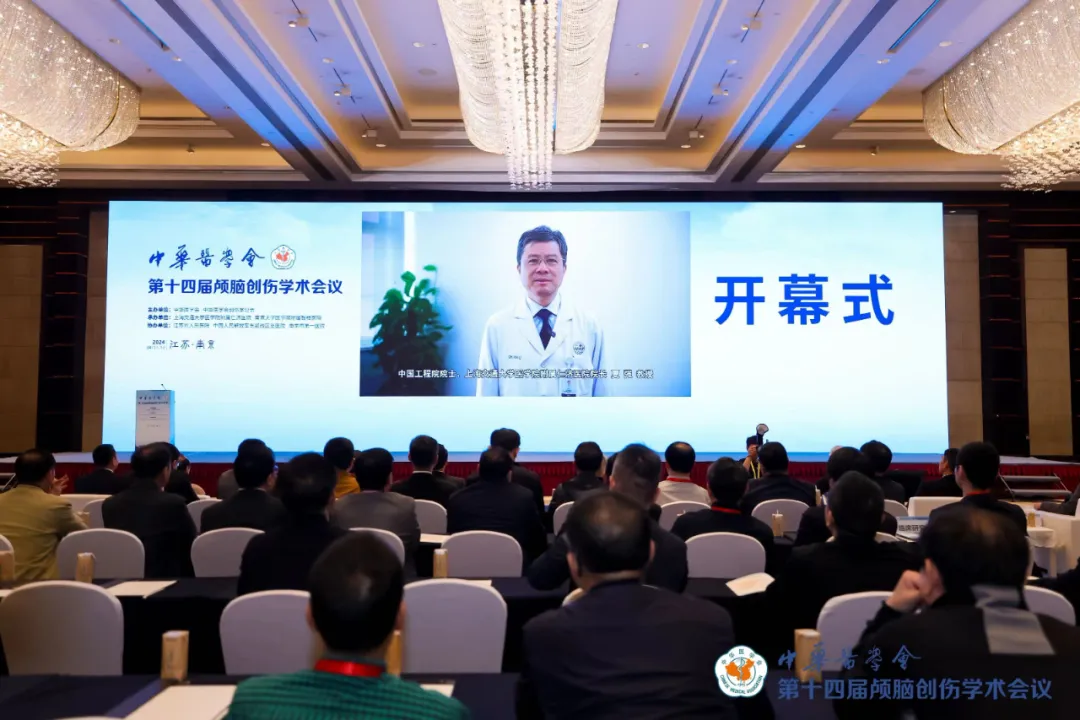
The conference opened with a retrospective of those 13 meetings, chaired by Professor Chunhua Hang of Drum Tower Hospital Neurosurgery. Opening addresses were given by Professor Jiyao Jiang of Renji, Drum Tower Hospital President Professor Chenggong Yu, Renji President Academician Qiang Xia and Nanjing University Vice President Professor Yajun Zou.
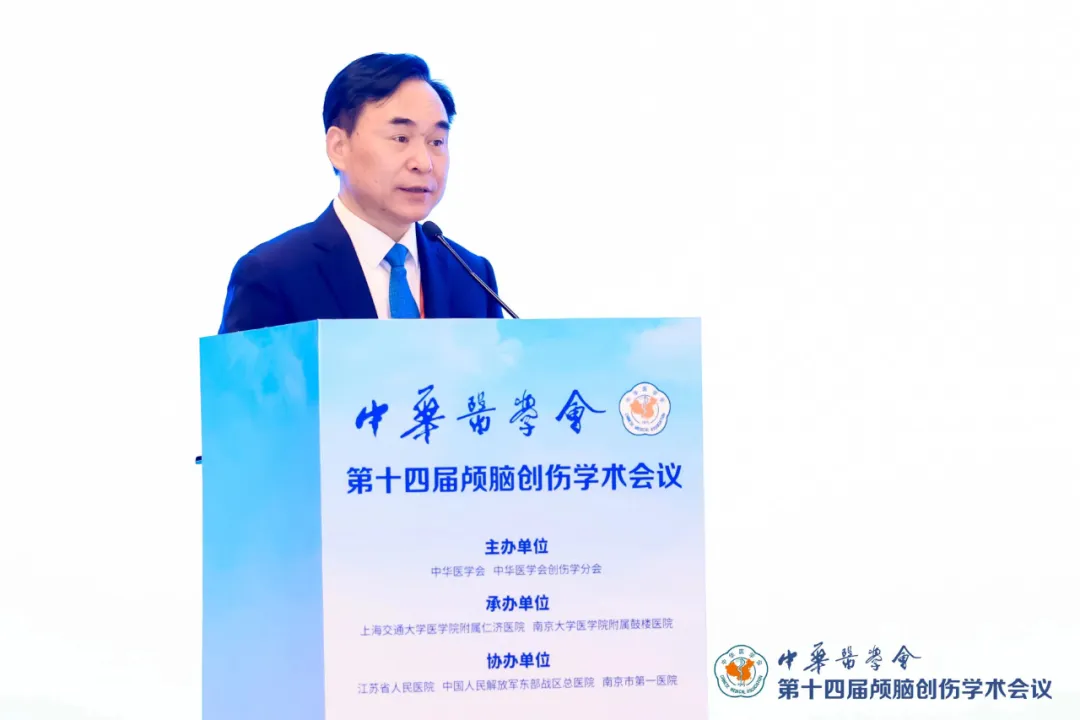
Professor Chunhua Hang chairs the meeting.
Conference Chair Professor Jiyao Jiang warmly congratulated colleagues on the successful opening of the 2024 14th meeting. He thanked the Chinese Medical Association and its Trauma Branch, the Renji and Drum Tower teams for their enormous organisational efforts, Academician Liangfu Zhou for attending, and all colleagues who quietly supported China's neurotrauma work. He hoped the meeting would provide an exchange platform to advance basic and clinical research, strengthen China's discipline, benefit patients and contribute internationally.
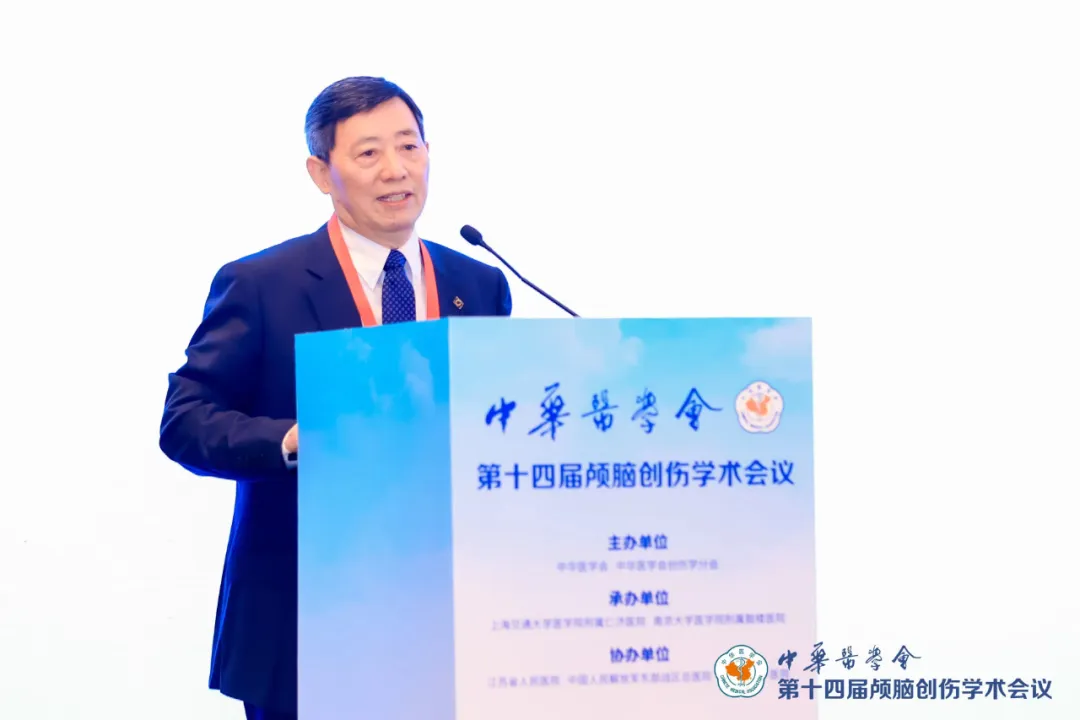
Address by Professor Jiyao Jiang.
President Chenggong Yu, on behalf of the organising and host institutions, welcomed and thanked the experts and colleagues from China and abroad who participated in and supported the meeting. Drum Tower Hospital would use the occasion to improve neurotrauma care and standardised treatment, strengthen its systematic role in neurocritical care and provide high-quality services for patients.
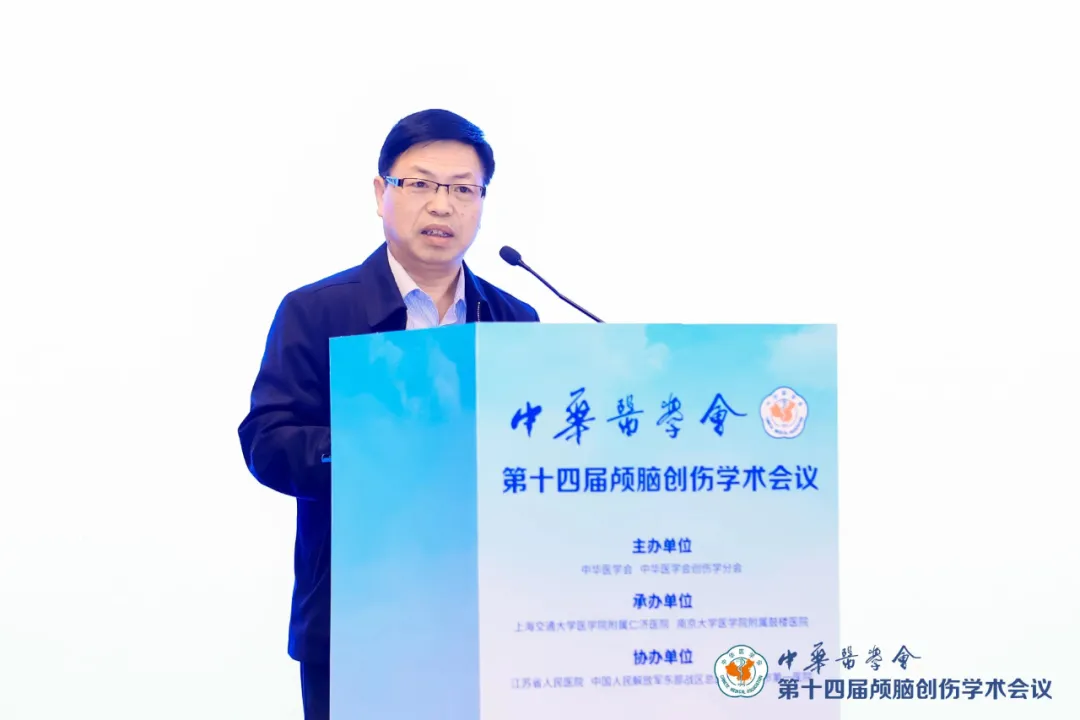
Address by President Chenggong Yu.
President Qiang Xia thanked experts, professors and healthcare workers for making time to attend. Traumatic brain injury, a major acute and critical clinical condition, has substantial effects on people's health and quality of life in China. Continuously improving techniques and treatment outcomes is therefore a responsibility. Under Professor Jiang's guidance, Department Director Professor Feng and his team had achieved notable results through Renji's values and their professional strengths. The forum would continue to focus on the latest research, bring together expert knowledge and advance China's neurotrauma diagnosis, treatment concepts and technologies.
Address by President Qiang Xia.
Vice President Yajun Zou welcomed and thanked the experts and participants. He said holding the meeting in Nanjing would promote trauma medicine and improve clinical care, nursing and basic research, especially the development of neurotrauma approaches suited to China. He hoped participants would uphold the scientific spirit of medicine, exchange ideas fully, contribute proposals for the discipline and support a Healthy China.
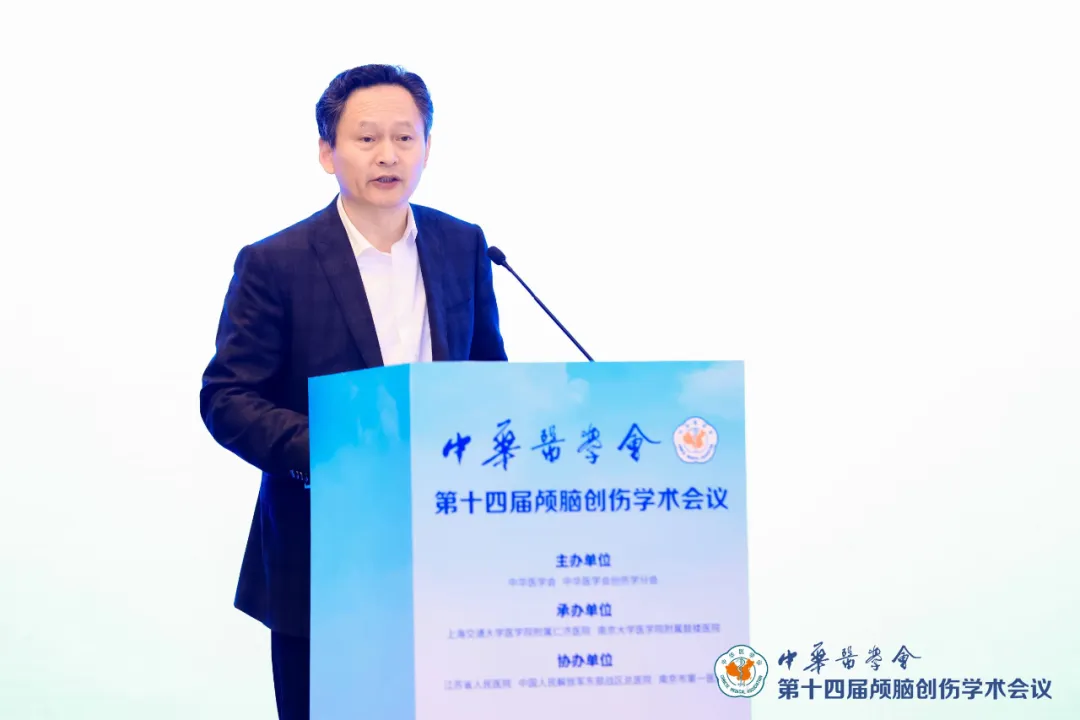
Address by Vice President Yajun Zou.
Leading neurotrauma experts from China and abroad then took the stage. The programme included two keynote lectures, seven invited reports, one nursing forum and 15 themed sessions. Academician Liangfu Zhou of Huashan Hospital opened the academic discussions with a keynote on blast-related neurotrauma. The presentations were:
Andrew Maas, Antwerp University Hospital, Belgium: “Characteristics of TBI”.
Franco Servadei, Humanitas University, Italy: “RCT and guidelines for TBI management: how close are they to the reality of our work?”.
Jianmin Liu, First Affiliated Hospital of Naval Medical University: “Interpretation of the Magic-MT study results”.
Lijun Hou, Second Affiliated Hospital of Naval Medical University: “Applications and reflections on new theories of neural injury in traumatic brain injury”.
Jiyao Jiang, Renji Hospital, Shanghai Jiao Tong University School of Medicine: “Standardisation and innovation in neurotrauma: a long road ahead”.
Xiaofeng Yang, First Affiliated Hospital, Zhejiang University School of Medicine: “An overall treatment strategy for sTBI”.
Jin Hu, Huashan Hospital, Fudan University: “Lessons from failures in TBI care help physicians grow”.
Guoyi Gao, Beijing Tiantan Hospital, Capital Medical University: “Neuromodulation and intensive treatment for traumatic brain injury”.
Rongcai Jiang, Tianjin Medical University General Hospital: “New discoveries in the mechanisms of drug treatment for chronic subdural haematoma”.
Liang Gao, Shanghai Tenth People’s Hospital: “Interpretation of the ENLS intracranial hypertension course”.
Junji Wei, Peking Union Medical College Hospital, Chinese Academy of Medical Sciences: “Neurotrauma surgical procedures and infection risk”.
Guangzhi Shi, Beijing Tiantan Hospital, Capital Medical University: “New exploration of glucocorticoid use in TBI treatment”.
Yongxin Wang, First Affiliated Hospital of Xinjiang Medical University: “Traumatic brain injury biomarkers and their clinical significance”.
Weiming Liu, Beijing Tiantan Hospital, Capital Medical University: “Improving the diagnosis and treatment of mild traumatic brain injury”.
Yuhai Wang, 904th Hospital of the PLA Joint Logistics Support Force: “Causes of postoperative rebleeding in neurotrauma and interventions”.
Jinfang Liu, Xiangya Hospital, Central South University: “The chronic course and management of traumatic brain injury”.
Wenjin Chen, Xuanwu Hospital, Capital Medical University: “Clinical treatment based on cerebral blood flow regulation”.
Chunlong Zhong, Shanghai East Hospital: “Minimally invasive transnasal repair of cerebrospinal fluid leaks”.
Lihong Li, Tangdu Hospital, Air Force Medical University: “Brain oedema and intracranial pressure: differences, similarities and treatment”.
Binghui Qiu, Nanfang Hospital, Southern Medical University: “Growth hormone in sTBI”.
Qinghua Wang, Zhujiang Hospital, Southern Medical University: “Bedside TCD in severe traumatic brain injury”.
Chaohua Yang, West China Hospital, Sichuan University: “Diagnosis and treatment of subdural empyema with a history of trauma”.
Junfeng Feng, Renji Hospital, Shanghai Jiao Tong University School of Medicine: “Attending to both technique and operative judgement in repeat neurotrauma surgery”.
Qibing Huang, Qilu Hospital, Shandong University: “Changing approaches to sTBI care through neurocritical care”.
Qiuhua Jiang, Ganzhou People’s Hospital: “My approach to preserving the airway without tracheostomy in neurocritical care”.
Yongming Zhang, Anhui Second People’s Hospital: “Clinical exploration of chronic disorders of consciousness after brain injury”.
Chiyuan Ma, General Hospital of the PLA Eastern Theater Command: “CSF management aimed at restoring normal physiological function”.
Guang Feng, Henan Provincial People’s Hospital: “Optimising hypothermia treatment for sTBI under multimodal monitoring”.
Guobin Zhang, Tianjin Huanhu Hospital: “The history and applications of cisternostomy and drainage”.
Yijun Bao, Fourth Affiliated Hospital of China Medical University: “The role of combined intraoperative intracranial pressure and ultrasound monitoring in TBI treatment”.
Xiaosong Sha, Shenzhen Second People’s Hospital: “City–district differences in TBI epidemiology and a quality-control system for treatment”.
Feng Gao, Affiliated People’s Hospital of Ningbo University: “Experience with very large bone-flap decompression for extremely severe traumatic brain injury”.
Liansheng Long, Huzhou Nantaihu Hospital: “Emergency interventional treatment for multiple injuries with traumatic brain injury”.
Liang Wen, First Affiliated Hospital, Zhejiang University School of Medicine: “ICP-based intraoperative guidance for bone-flap replacement after DC”.
Weiping Zhao, Inner Mongolia Autonomous Region People’s Hospital: “Airway clearance techniques in sTBI”.
Dongfu Feng, South Campus of Shanghai Sixth People’s Hospital, Shanghai Jiao Tong University School of Medicine: “Repair strategies for frontal sinus injury”.
Xiaohua Hu, Zhejiang Armed Police Corps Hospital: “Hyperbaric oxygen treatment for brain dysfunction after traumatic brain injury”.
Likun Yang, 904th Hospital of the PLA Joint Logistics Support Force: “Treatment strategies for cranial firearm injuries”.
Penglai Zhao, Nanjing Drum Tower Hospital, Nanjing University Medical School: “Treatment of diffuse axonal injury”.
Qing Mao, Renji Hospital, Shanghai Jiao Tong University School of Medicine: “Preventive treatment of early seizures after traumatic brain injury”.
More than 100 medical and nursing experts in neurotrauma and neurocritical care gave presentations and exchanged ideas, demonstrating prevailing domestic treatment concepts and techniques and reviewing practical experience and lessons.
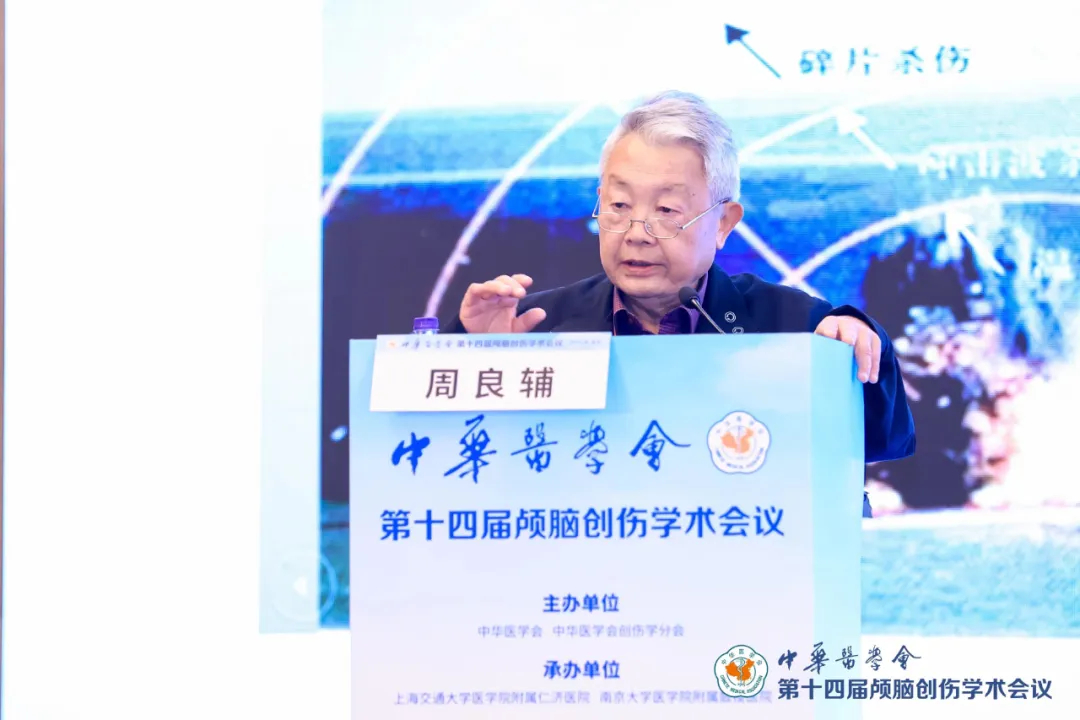
Academician Liangfu Zhou — Huashan Hospital, Fudan University.
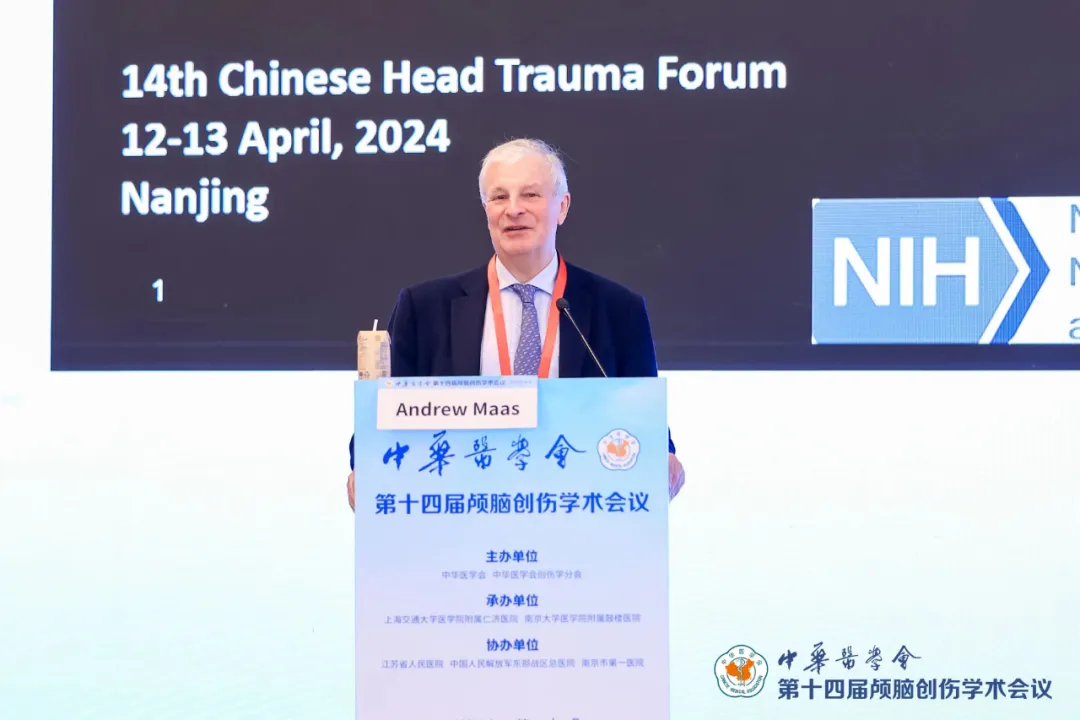
Professor Andrew Maas — Antwerp University Hospital, Belgium.
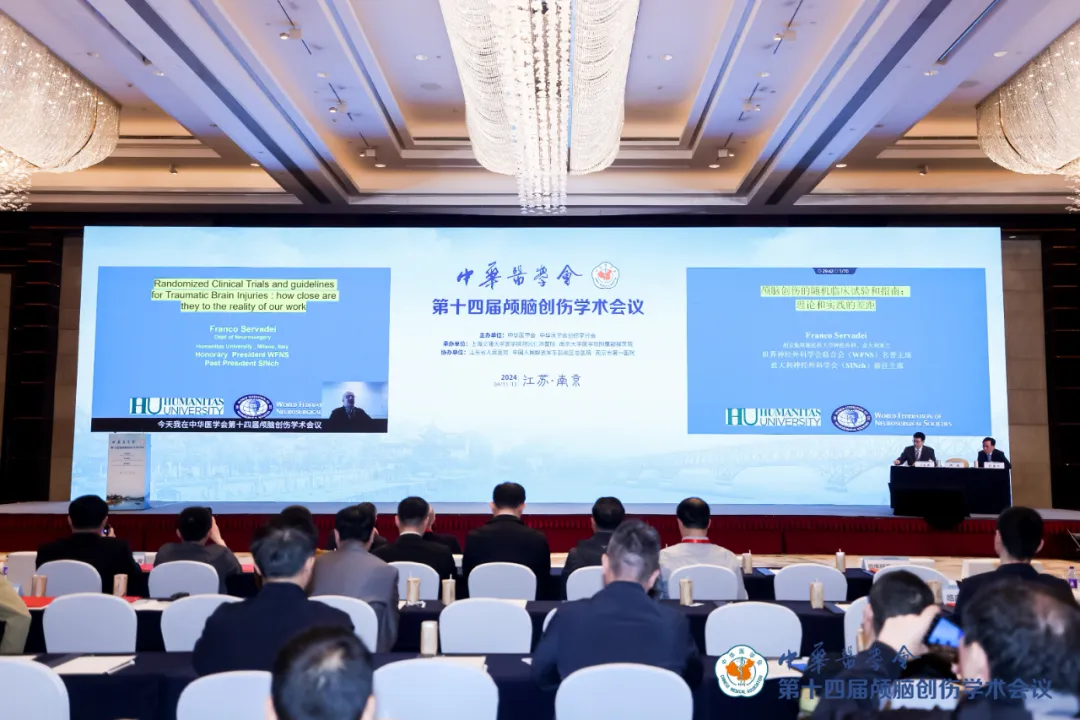
Professor Franco Servadei — Humanitas University, Italy.
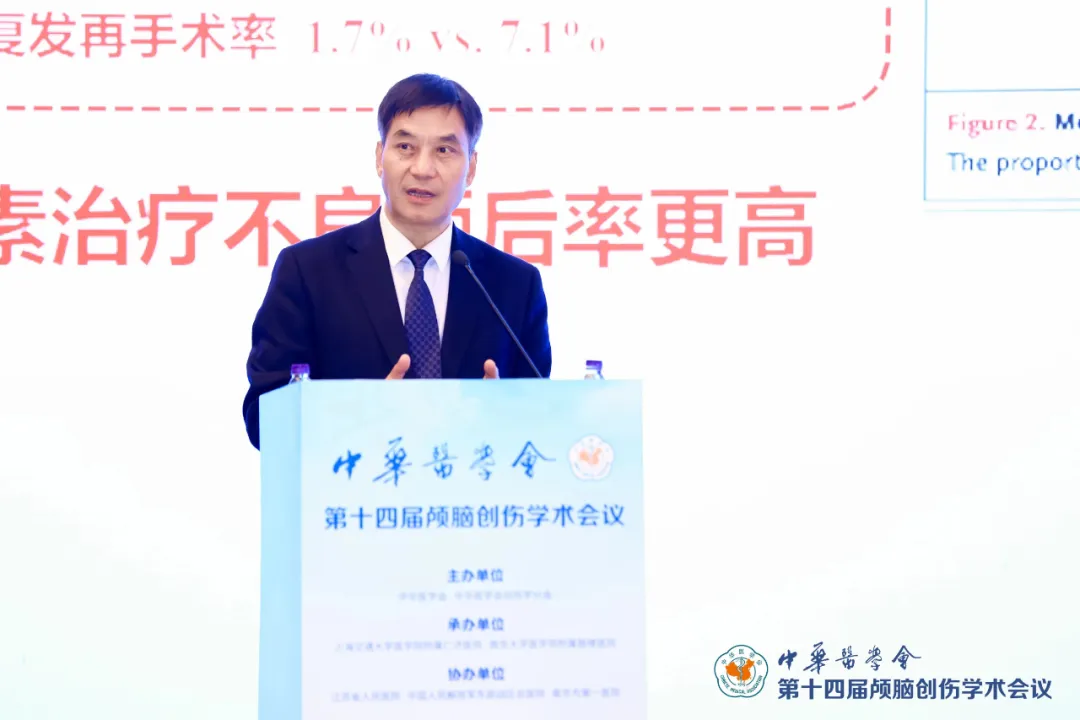
Professor Jianmin Liu — First Affiliated Hospital of Naval Medical University.
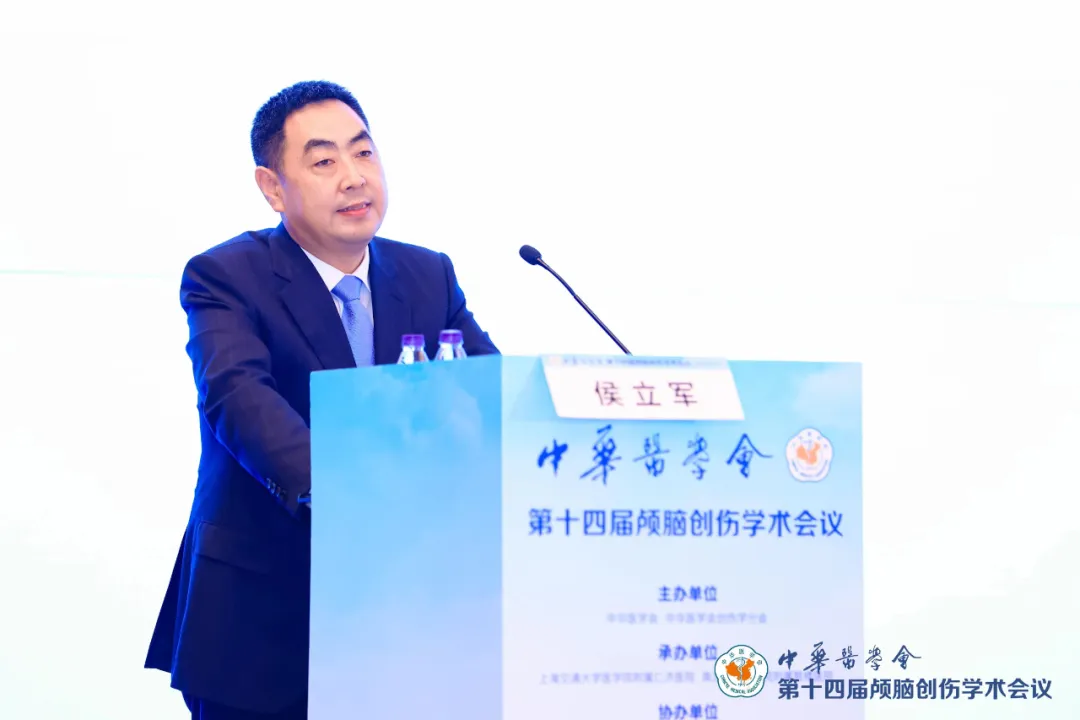
Professor Lijun Hou — Second Affiliated Hospital of Naval Medical University.
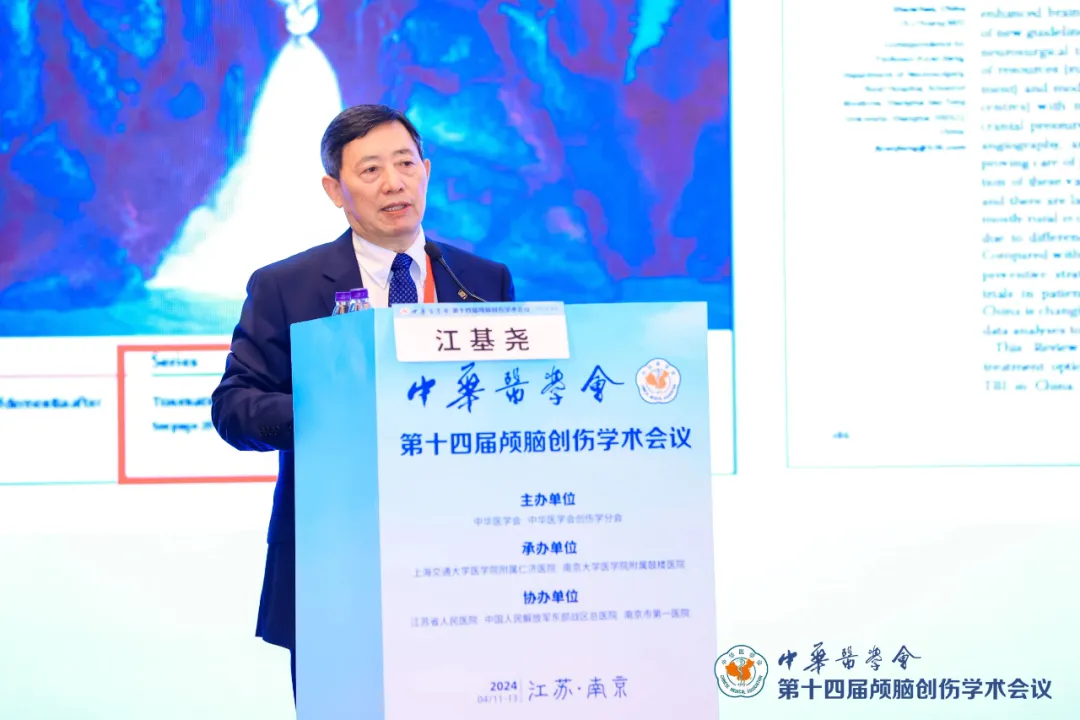
Professor Jiyao Jiang — Renji Hospital, Shanghai Jiao Tong University School of Medicine.
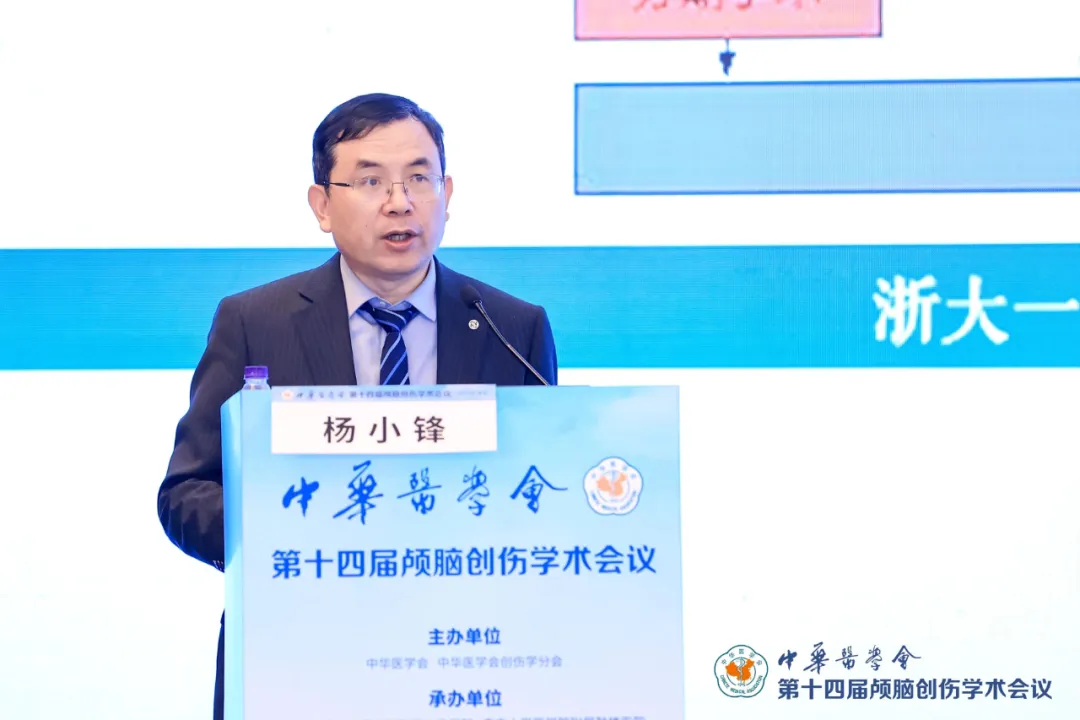
Professor Xiaofeng Yang — First Affiliated Hospital, Zhejiang University School of Medicine.
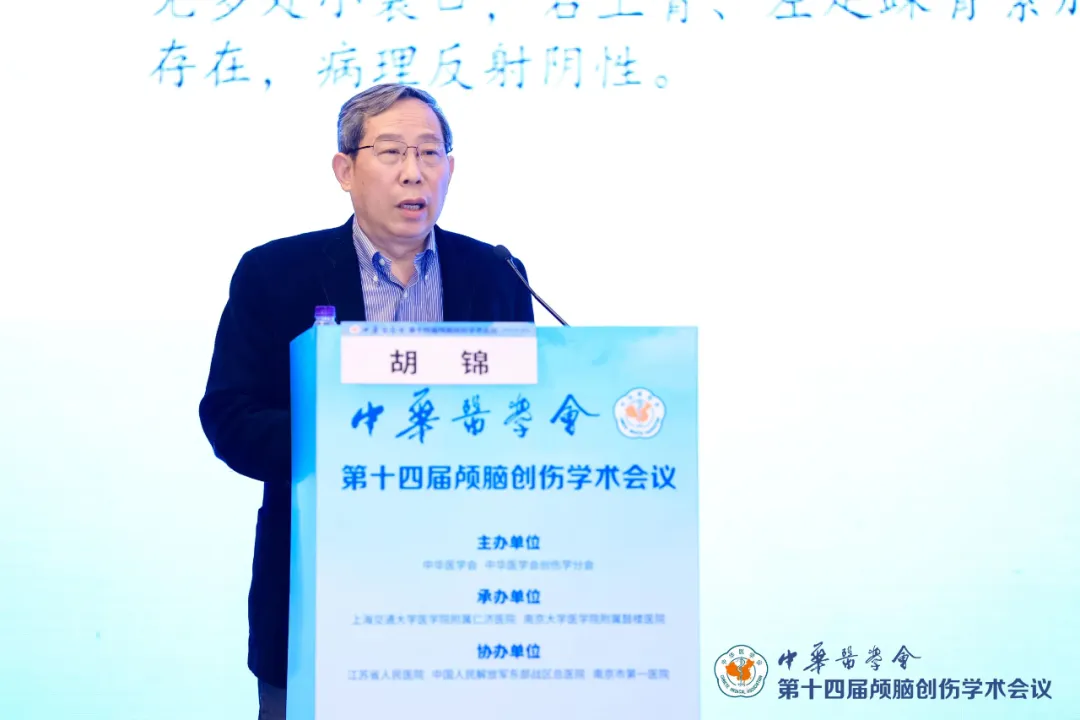
Professor Jin Hu — Huashan Hospital, Fudan University.
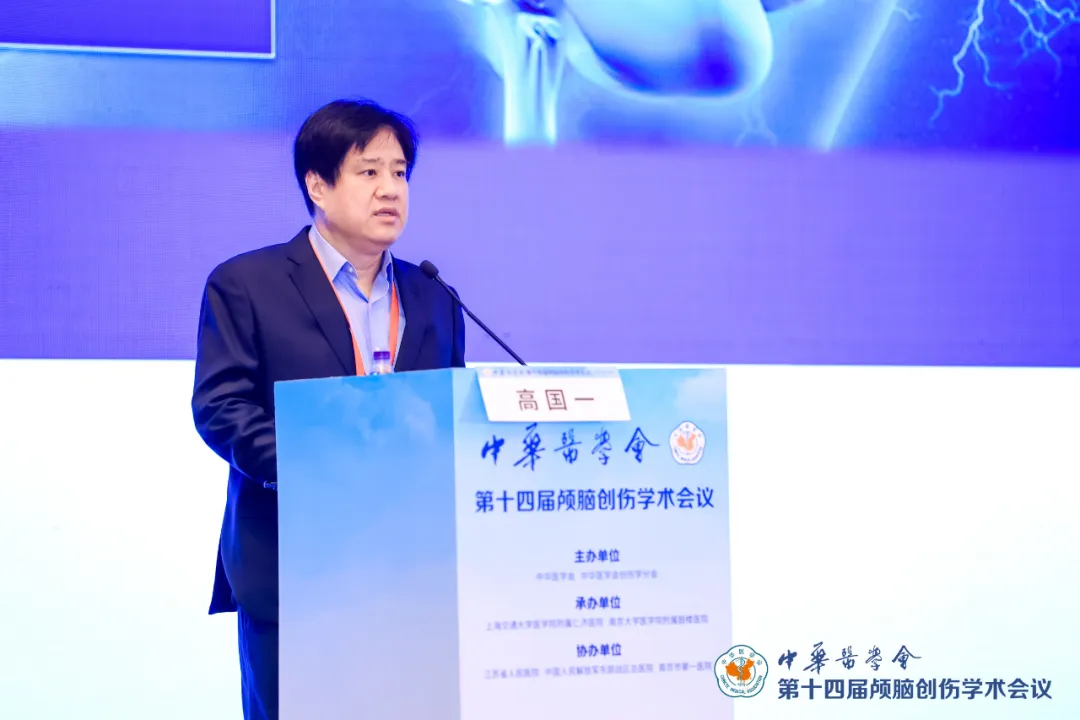
Professor Guoyi Gao — Beijing Tiantan Hospital, Capital Medical University.
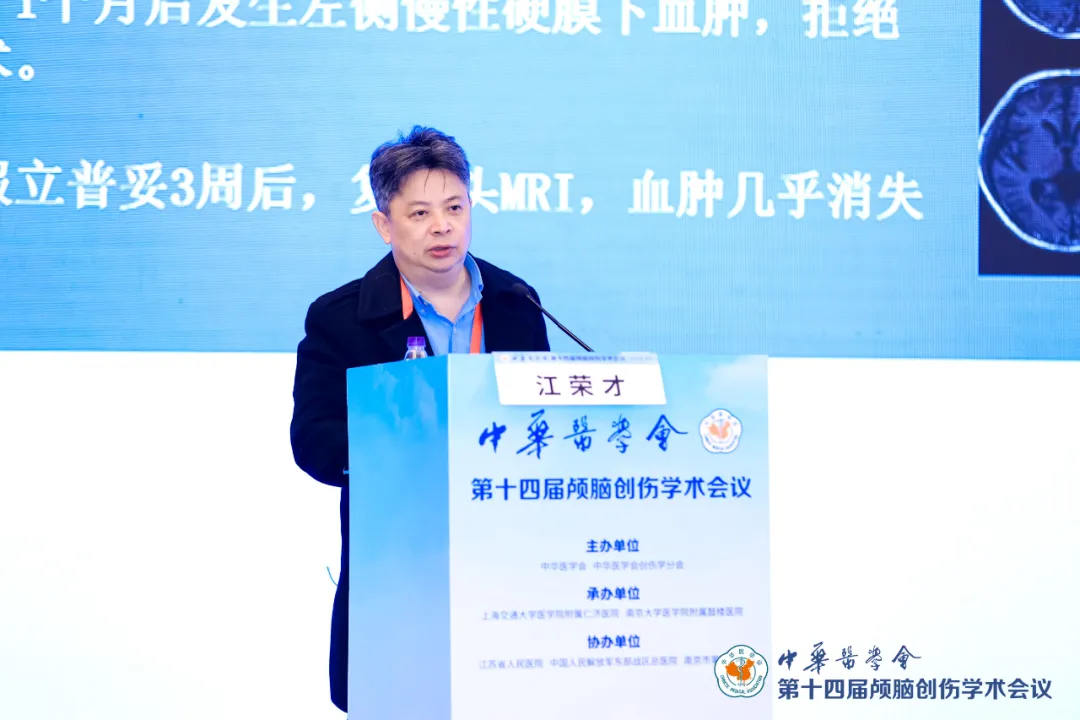
Professor Rongcai Jiang — Tianjin Medical University General Hospital.
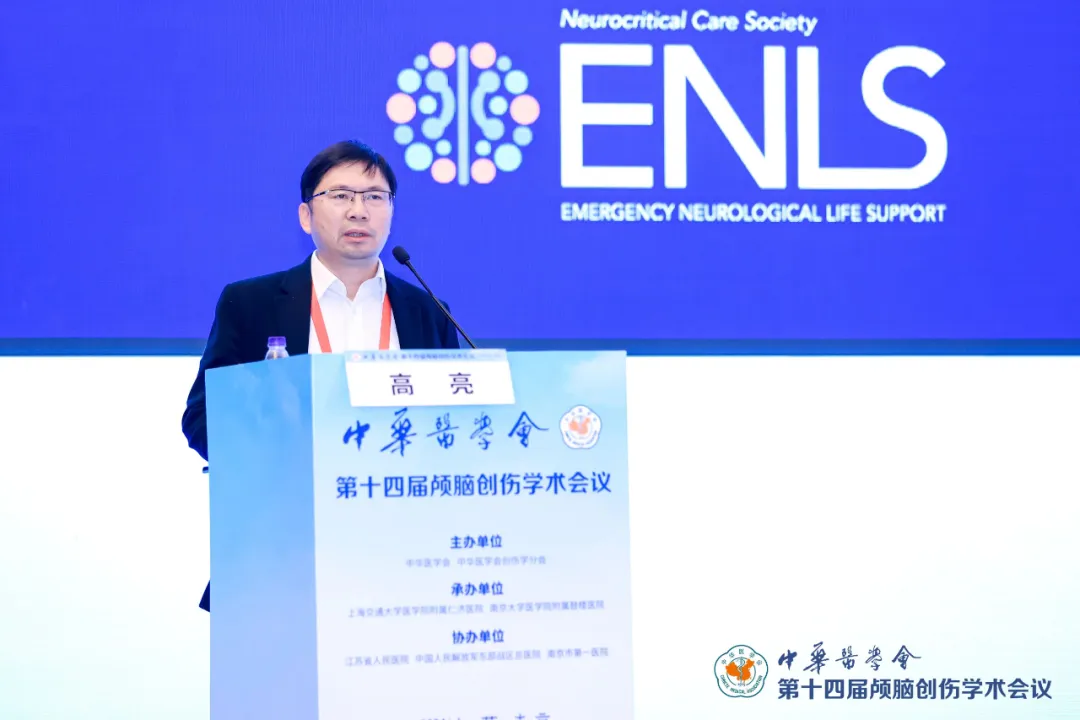
Professor Liang Gao — Shanghai Tenth People’s Hospital.
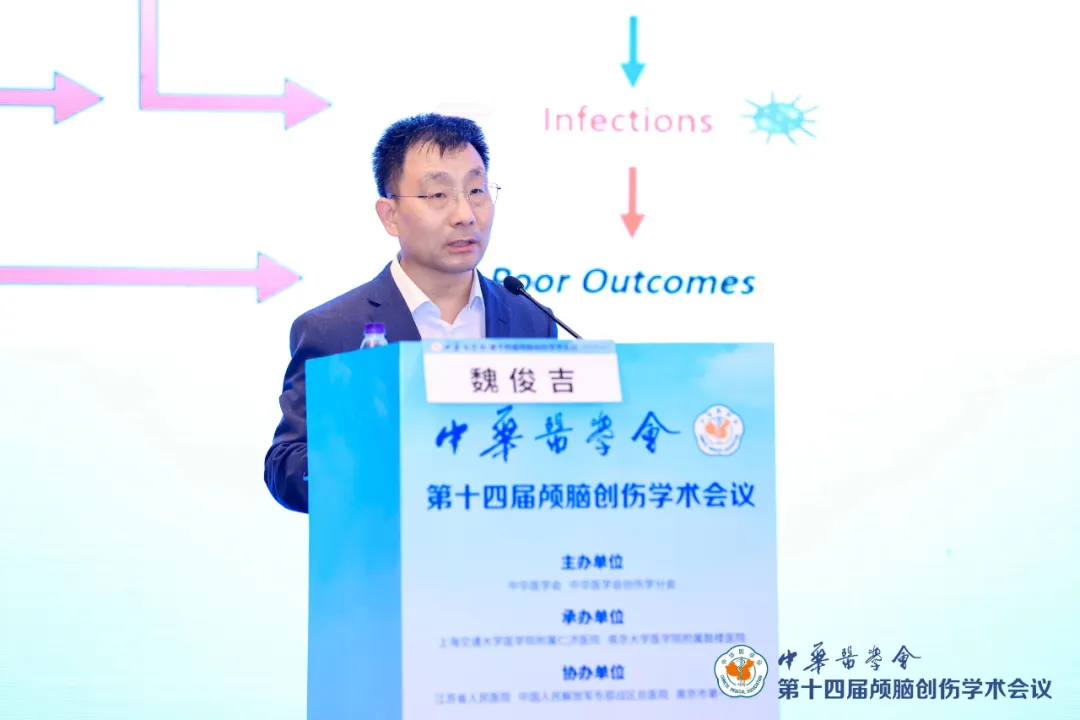
Professor Junji Wei — Peking Union Medical College Hospital, Chinese Academy of Medical Sciences.
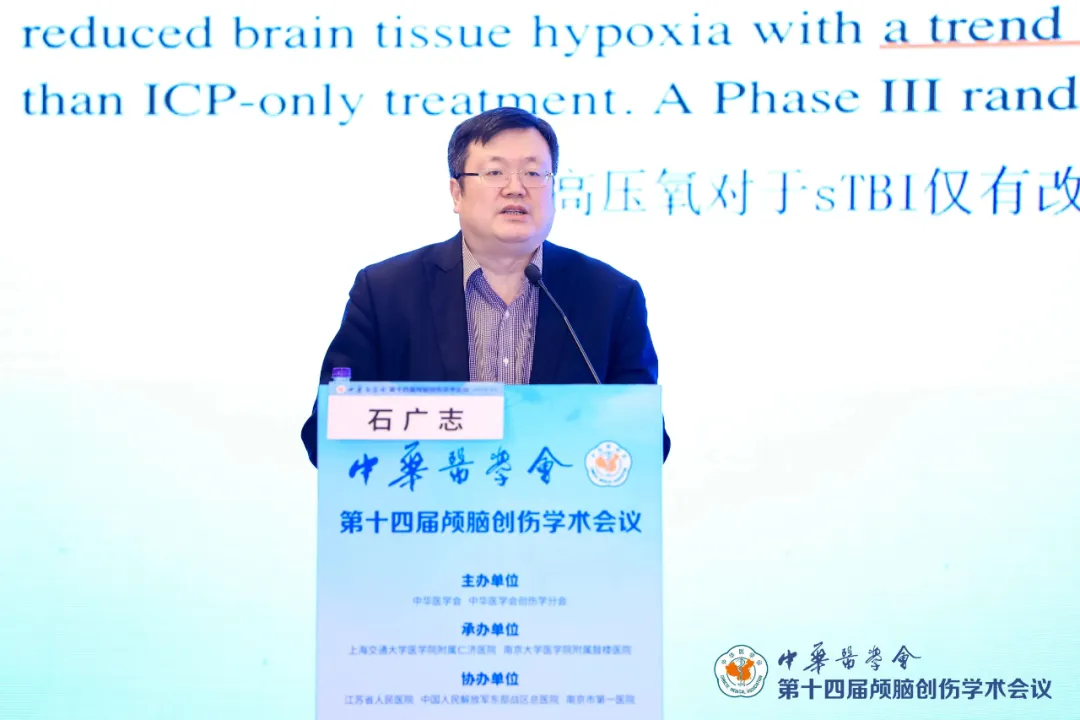
Professor Guangzhi Shi — Beijing Tiantan Hospital, Capital Medical University.
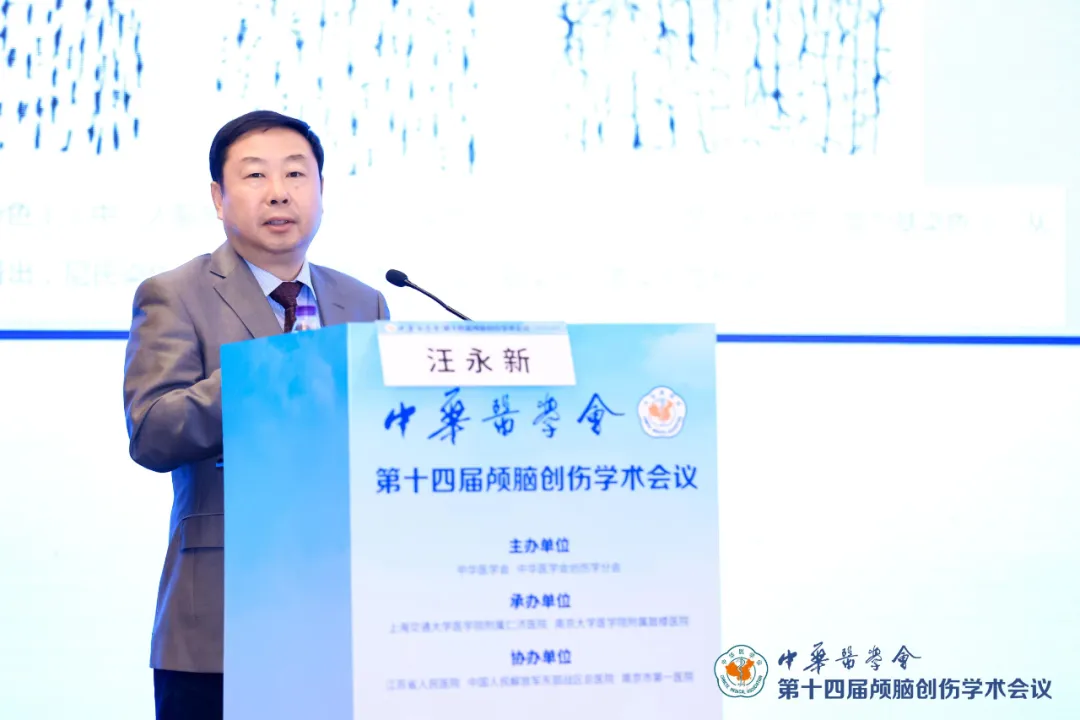
Professor Yongxin Wang — First Affiliated Hospital of Xinjiang Medical University.
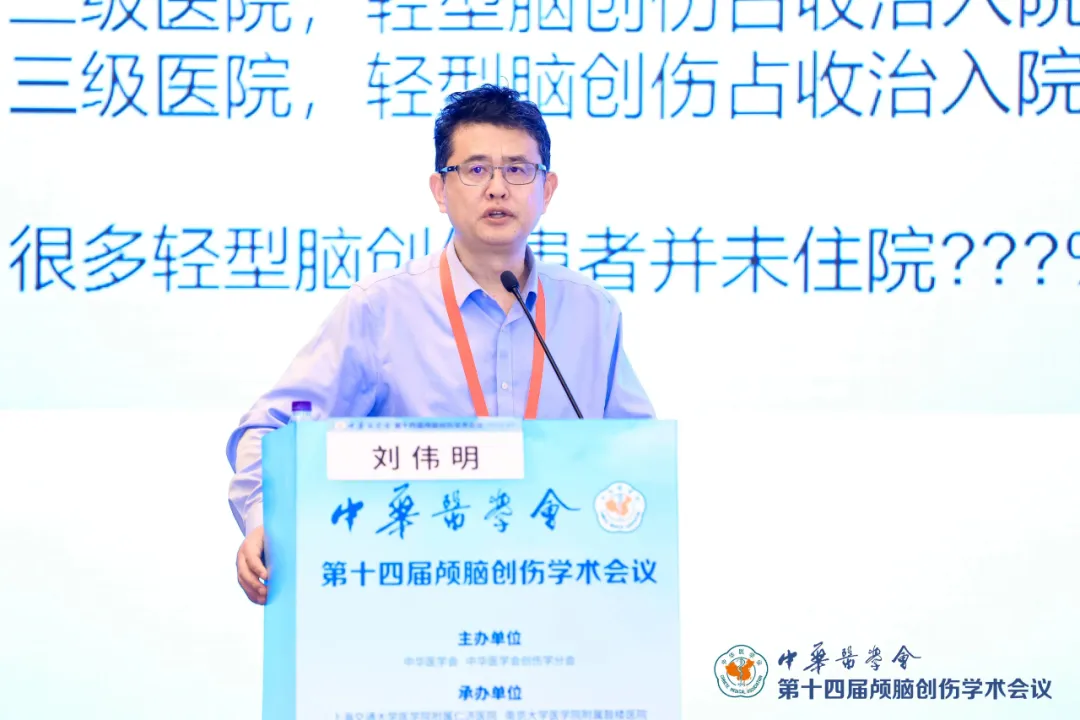
Professor Weiming Liu — Beijing Tiantan Hospital, Capital Medical University.
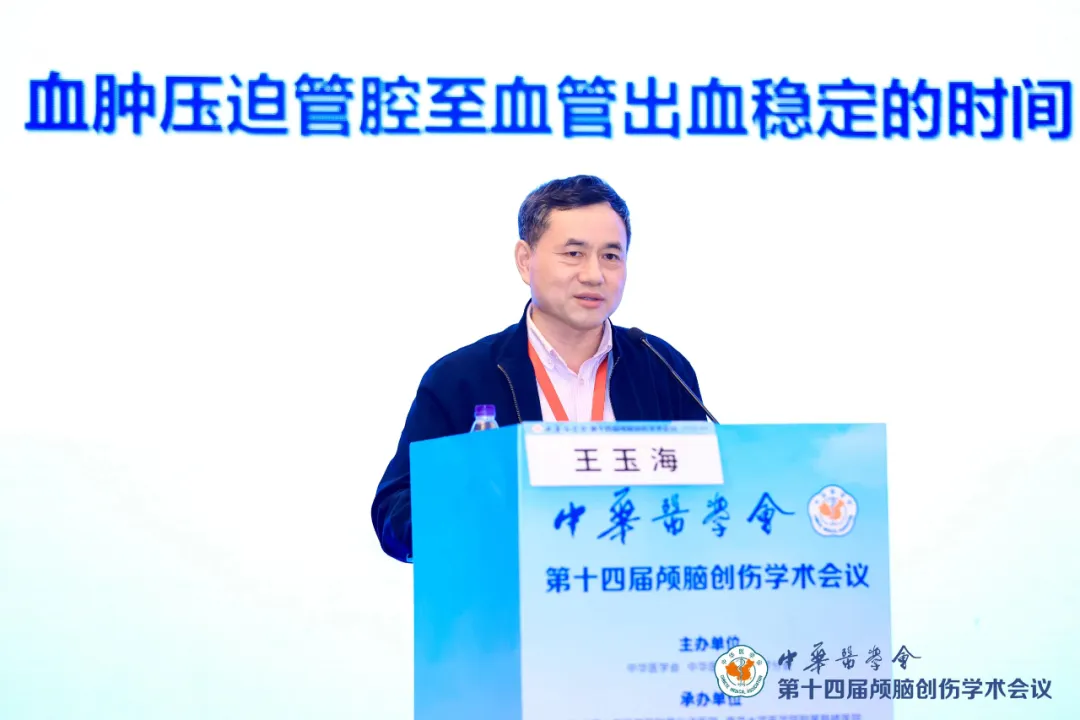
Professor Yuhai Wang — 904th Hospital of the PLA Joint Logistics Support Force.
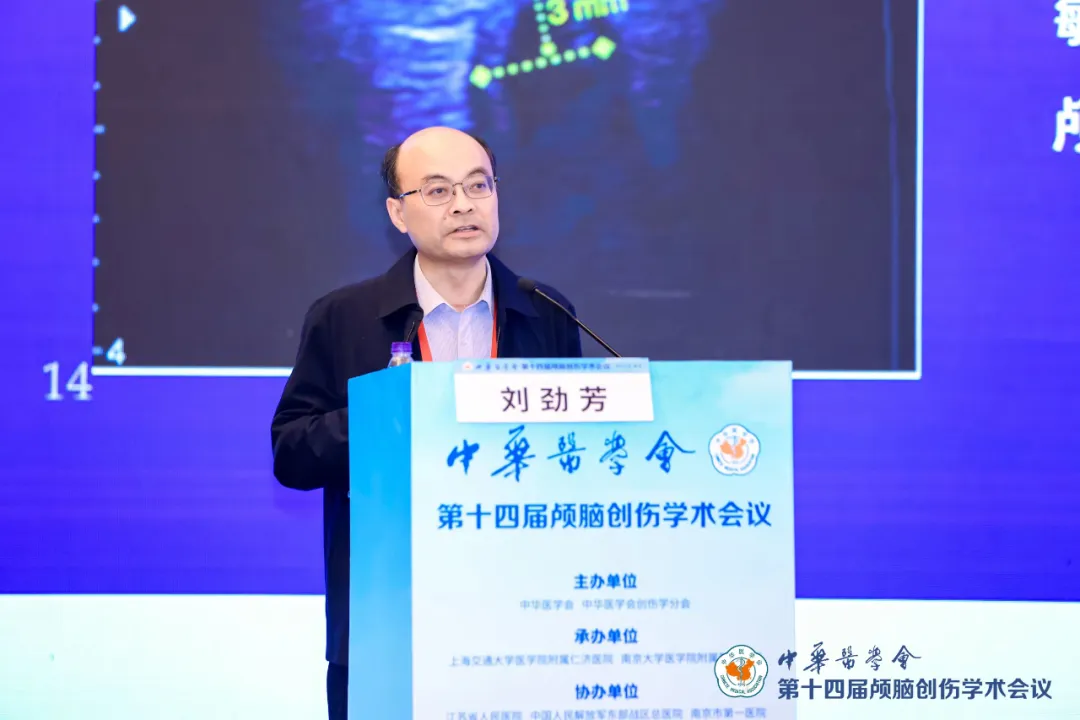
Professor Jinfang Liu — Xiangya Hospital, Central South University.
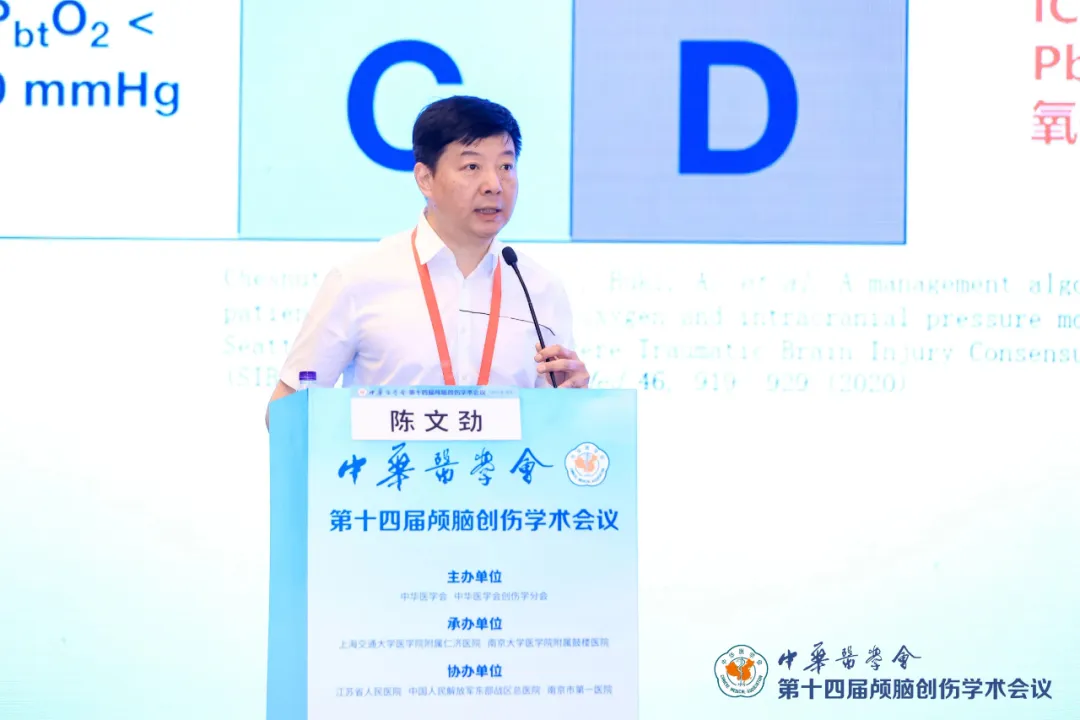
Professor Wenjin Chen — Xuanwu Hospital, Capital Medical University.
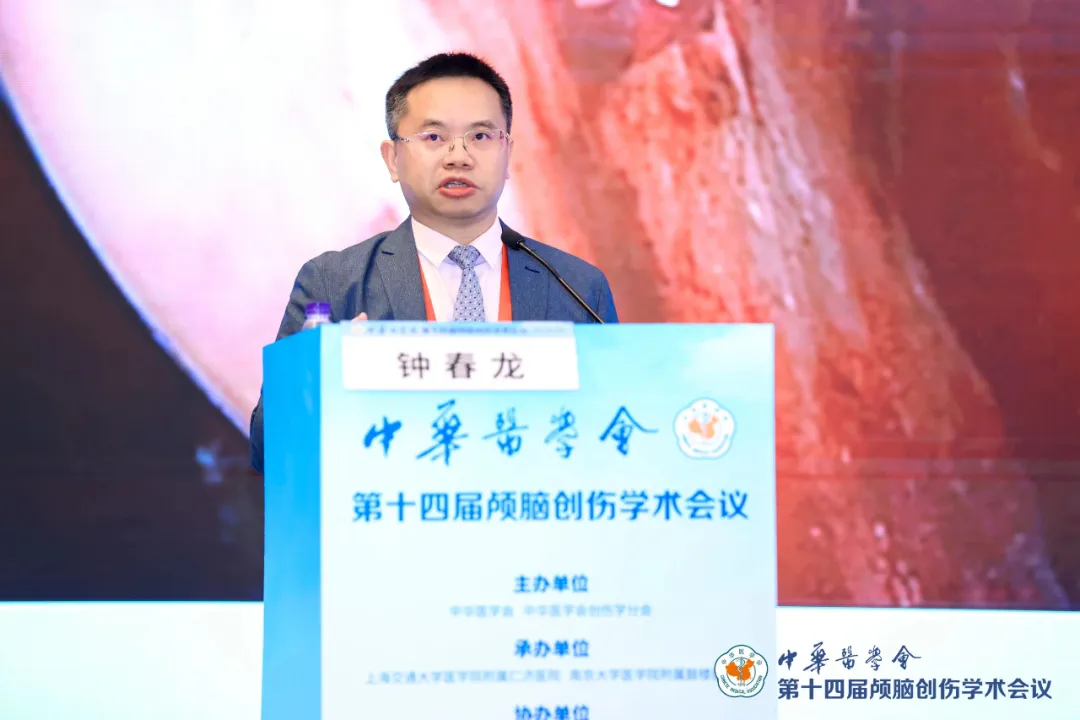
Professor Chunlong Zhong — Shanghai East Hospital.
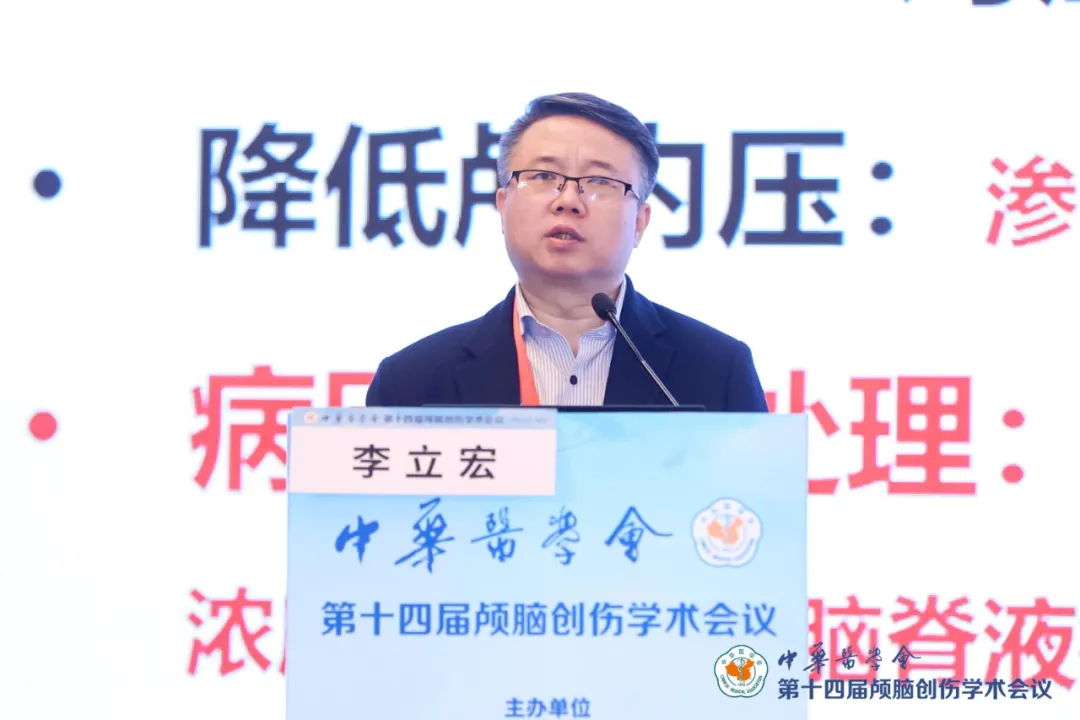
Professor Lihong Li — Tangdu Hospital, Air Force Medical University.
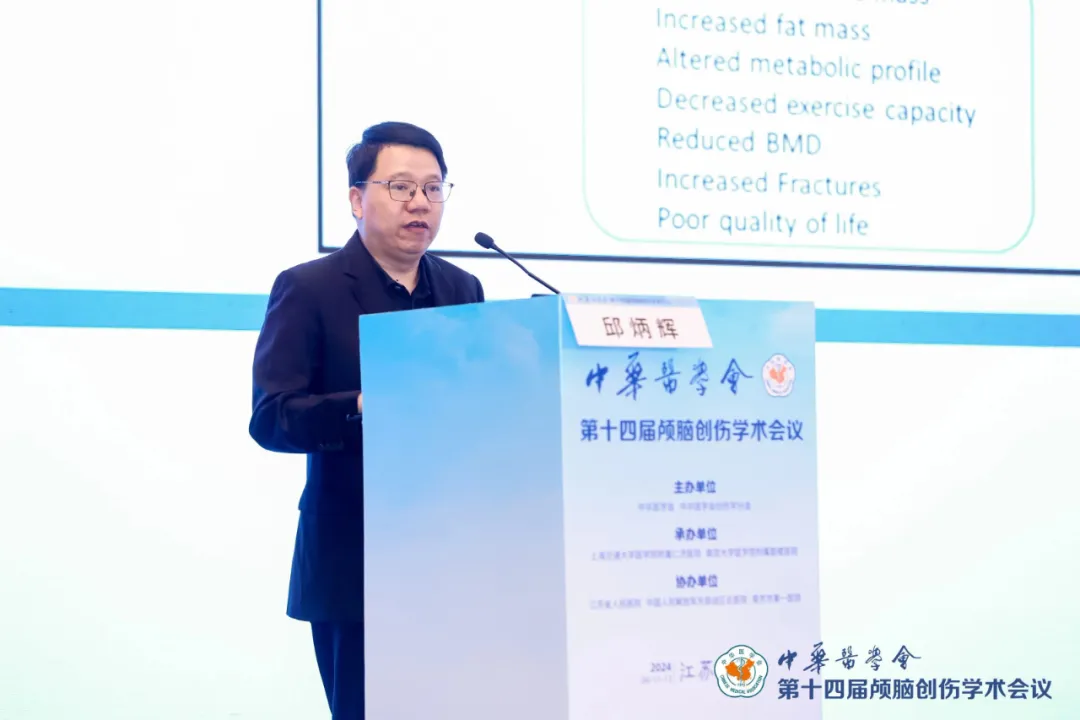
Professor Binghui Qiu — Nanfang Hospital, Southern Medical University.
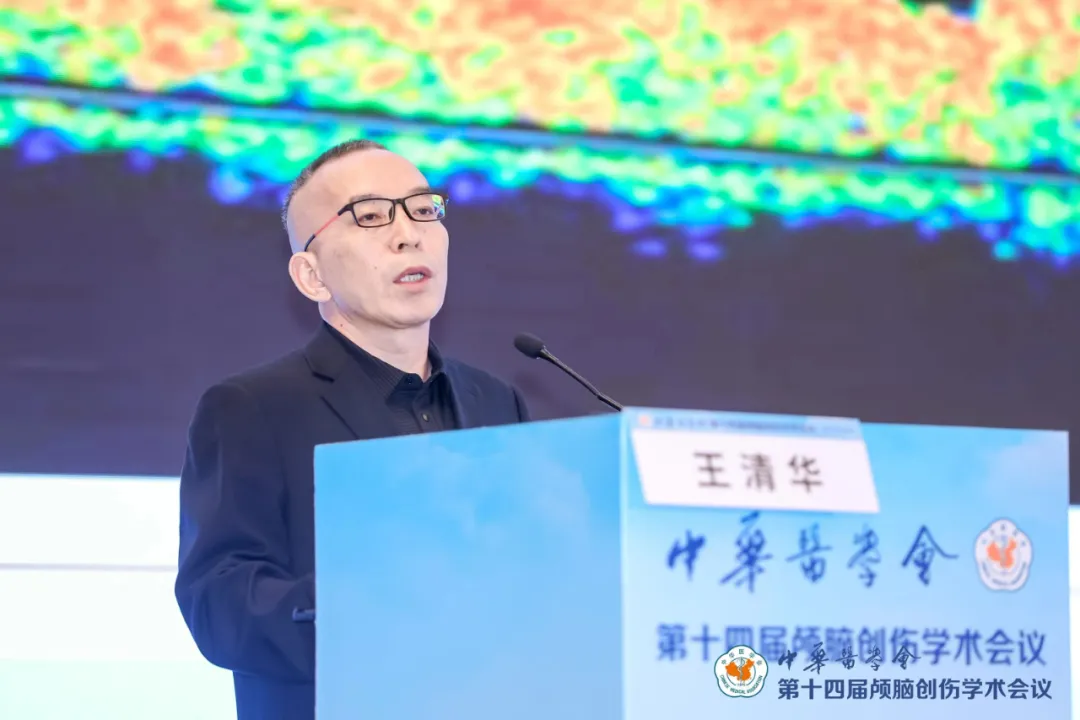
Professor Qinghua Wang — Zhujiang Hospital, Southern Medical University.
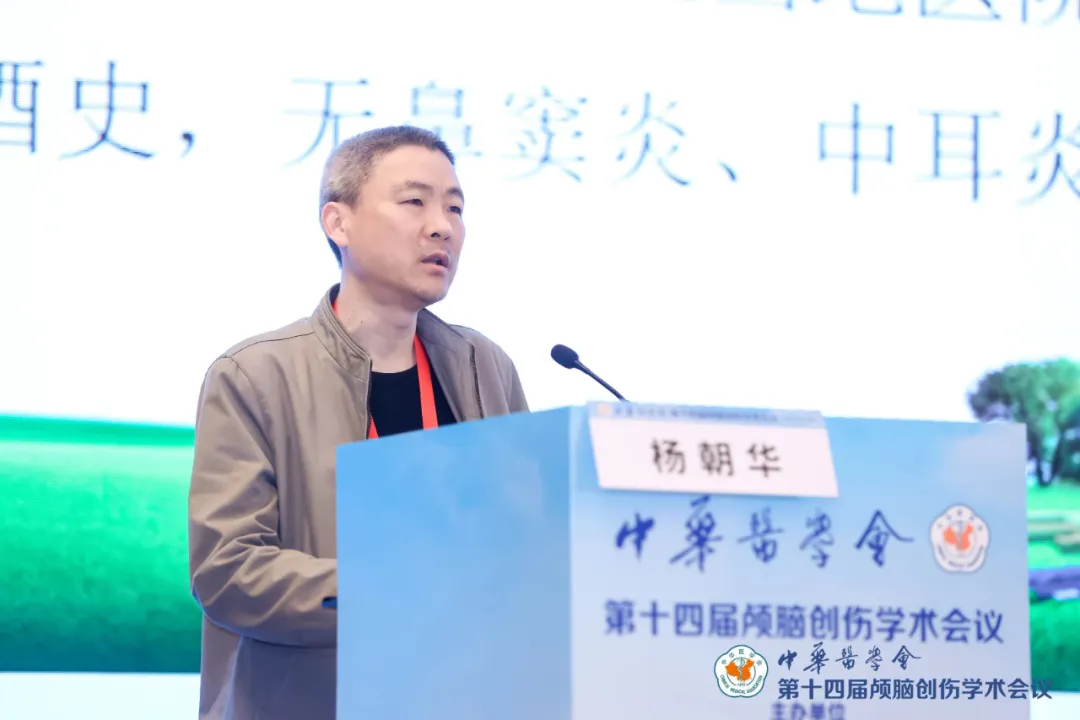
Professor Chaohua Yang — West China Hospital, Sichuan University.
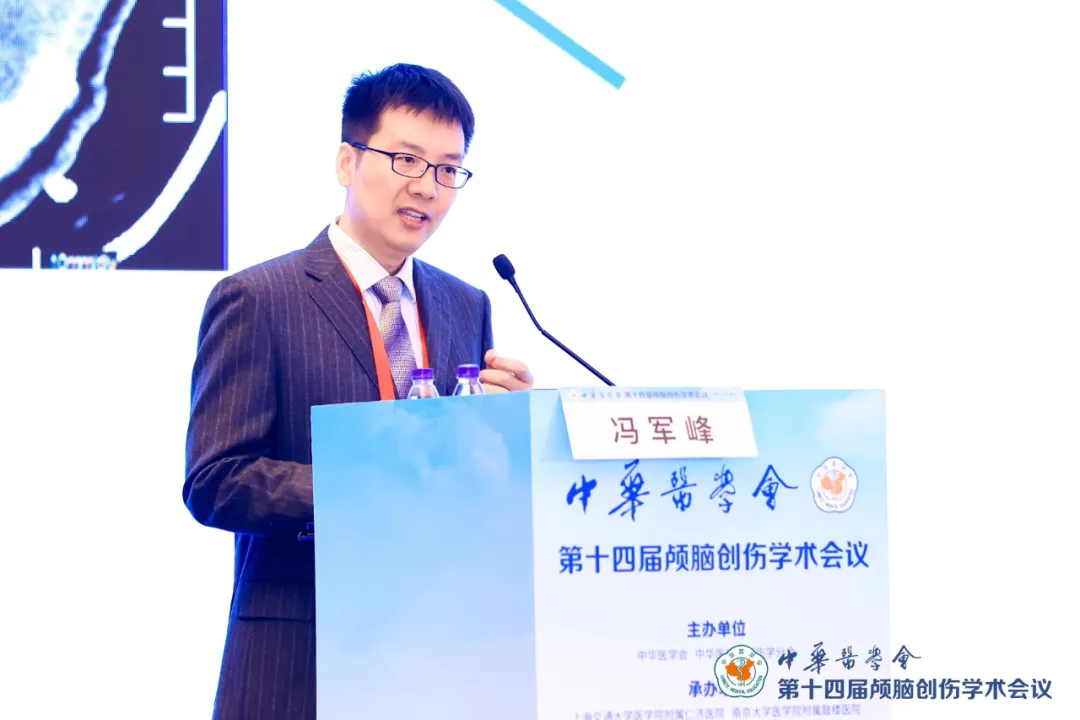
Professor Junfeng Feng — Renji Hospital, Shanghai Jiao Tong University School of Medicine.
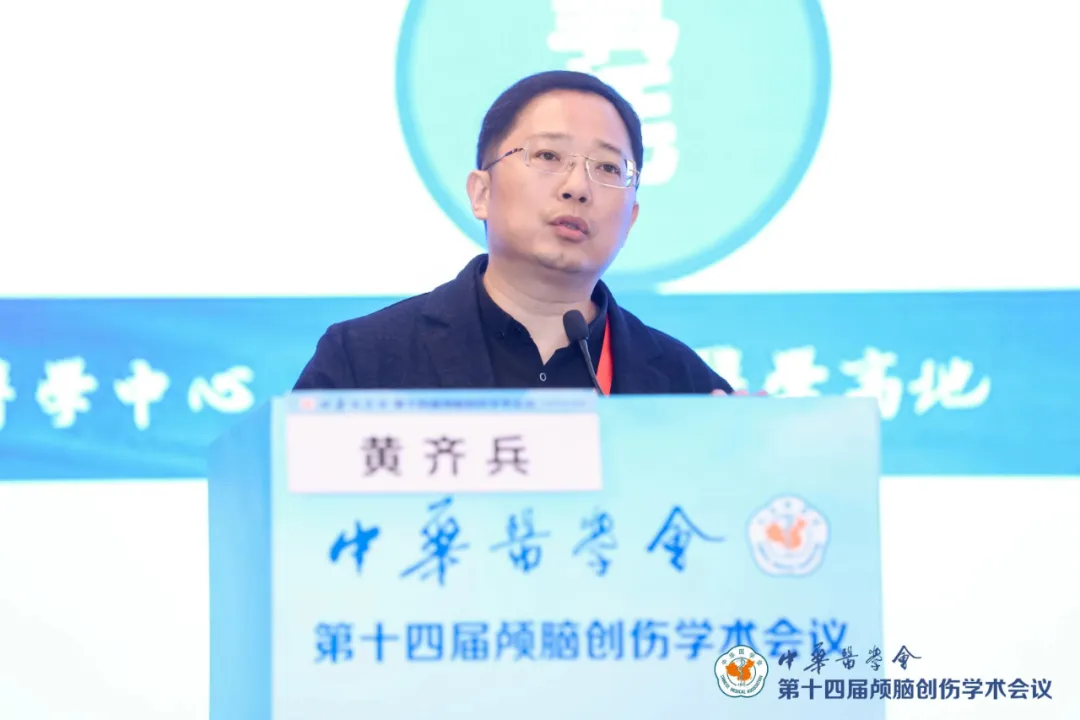
Professor Qibing Huang — Qilu Hospital, Shandong University.
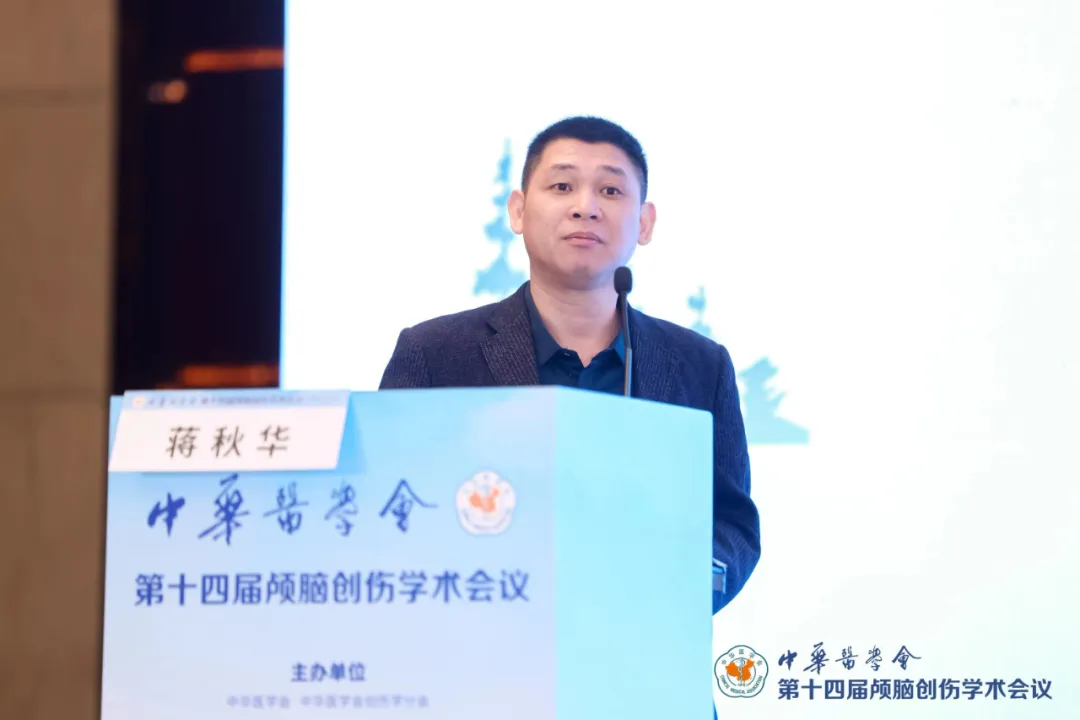
Professors Qiuhua Jiang and Qianliang Huang — Ganzhou People’s Hospital.
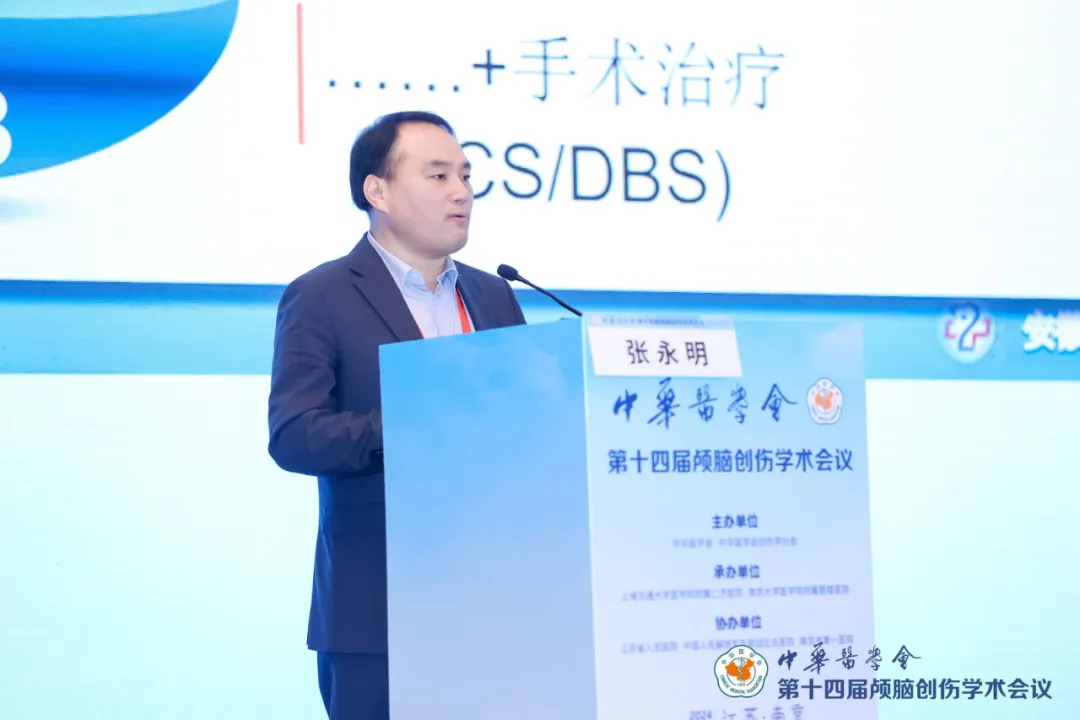
Professor Yongming Zhang — Anhui Second People’s Hospital.
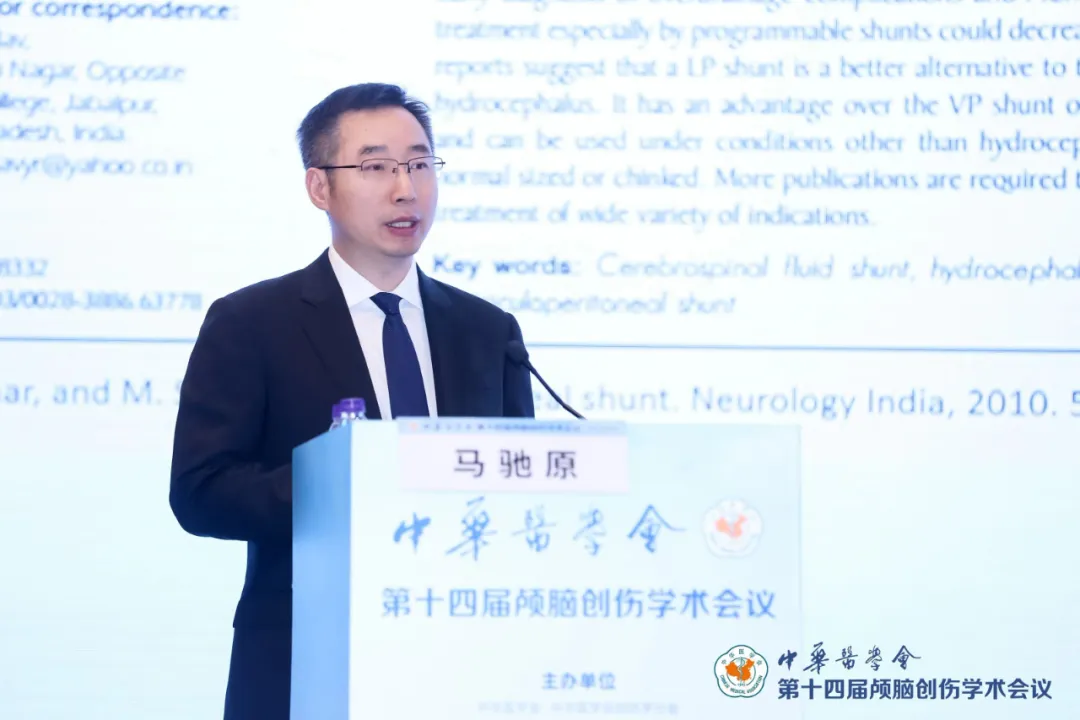
Professor Chiyuan Ma — General Hospital of the PLA Eastern Theater Command.
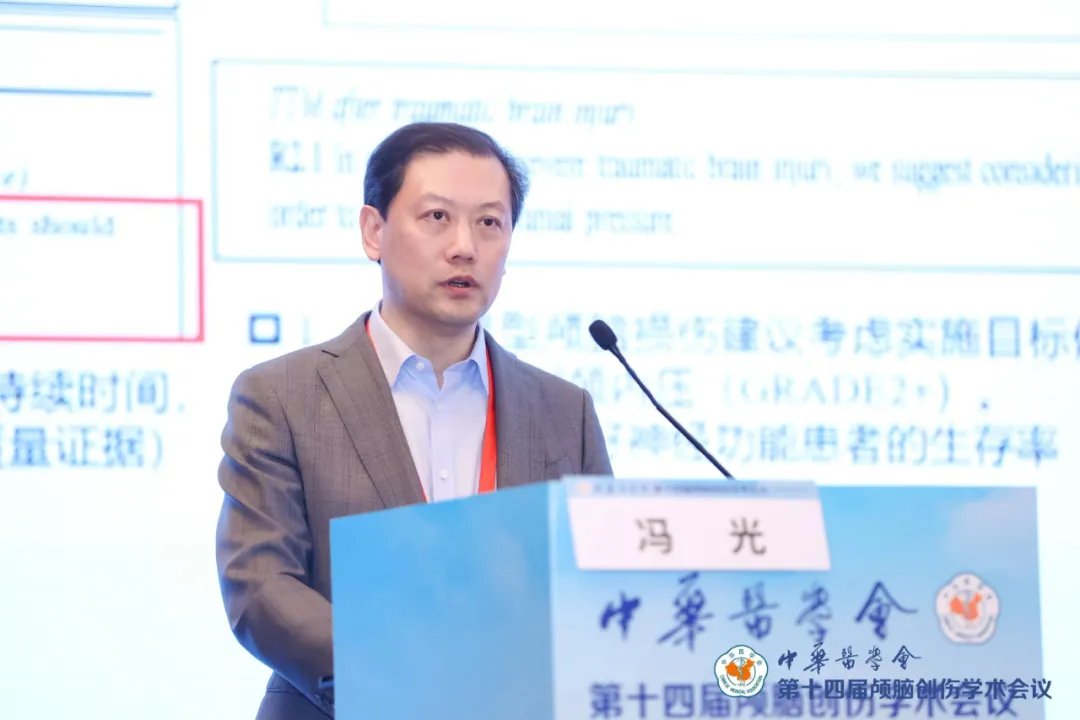
Professor Guang Feng — Henan Provincial People’s Hospital.
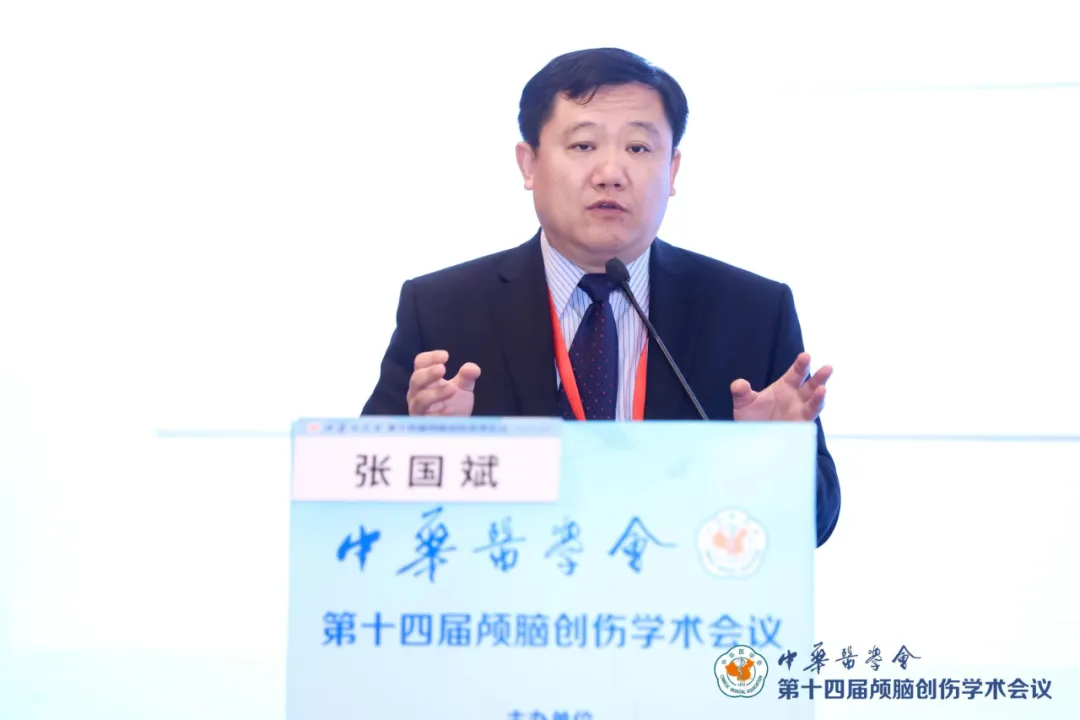
Professor Guobin Zhang — Tianjin Huanhu Hospital.
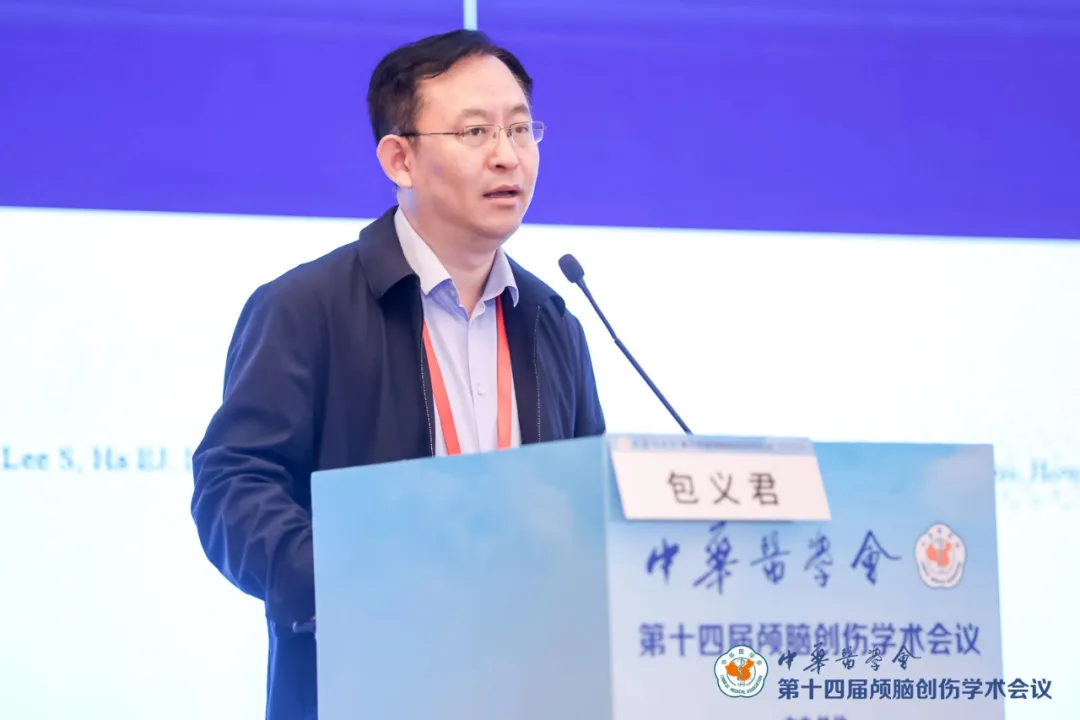
Professor Yijun Bao — Fourth Affiliated Hospital of China Medical University.
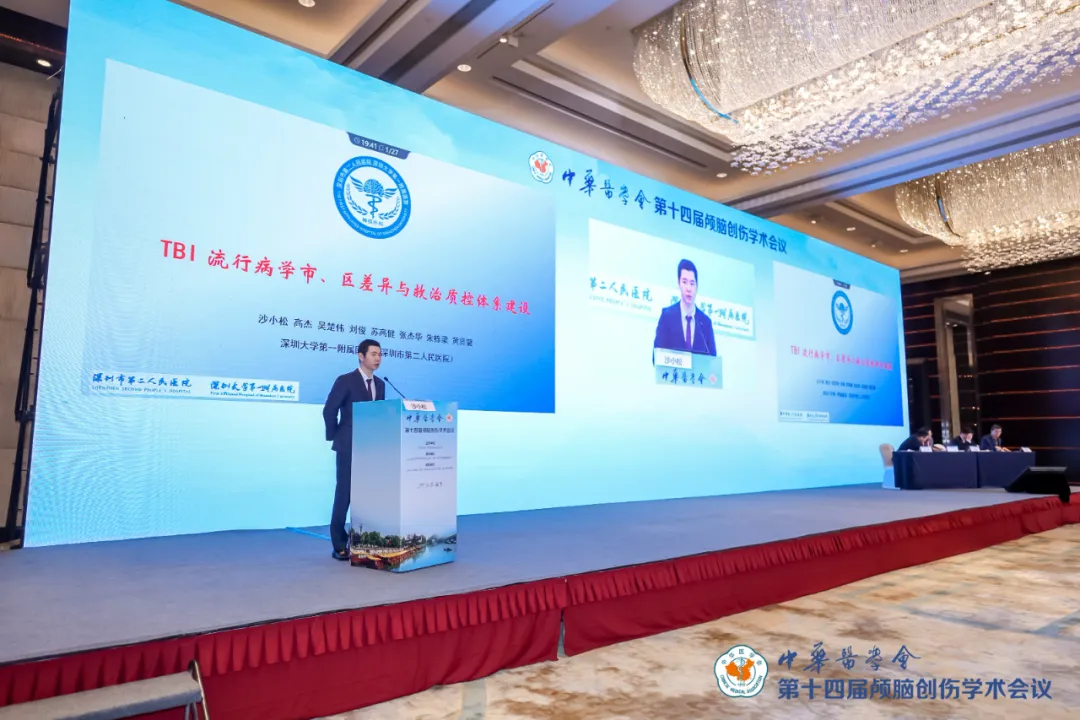
Professor Xiaosong Sha — Shenzhen Second People’s Hospital.
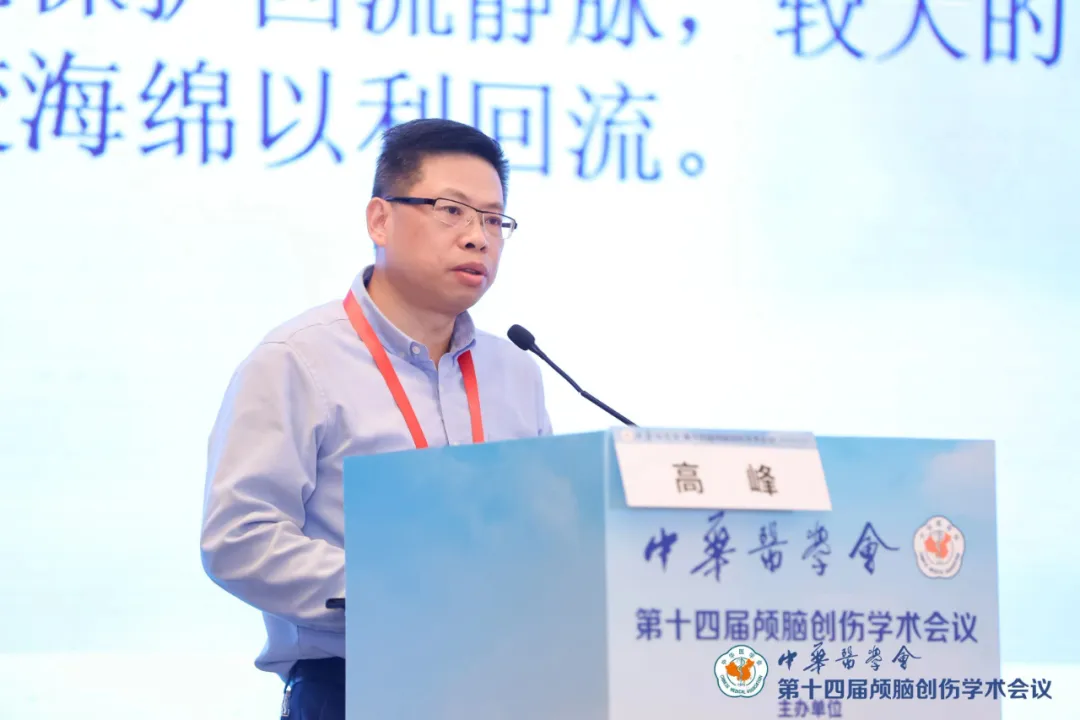
Professor Feng Gao — Affiliated People’s Hospital of Ningbo University.
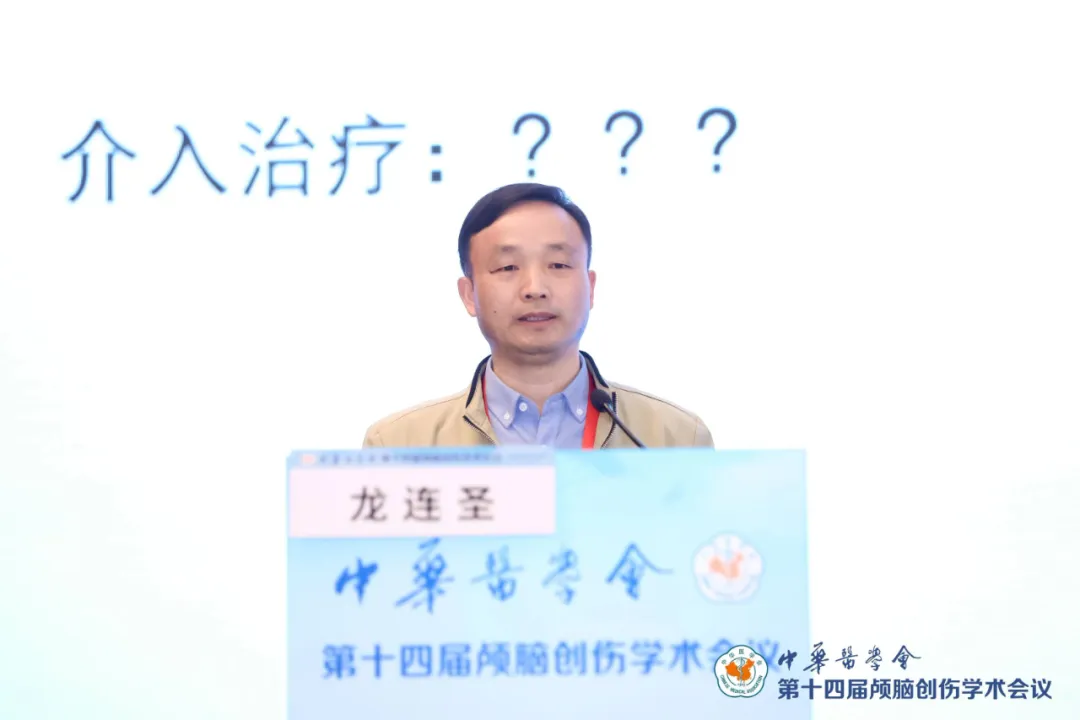
Professor Liansheng Long — Huzhou Nantaihu Hospital.
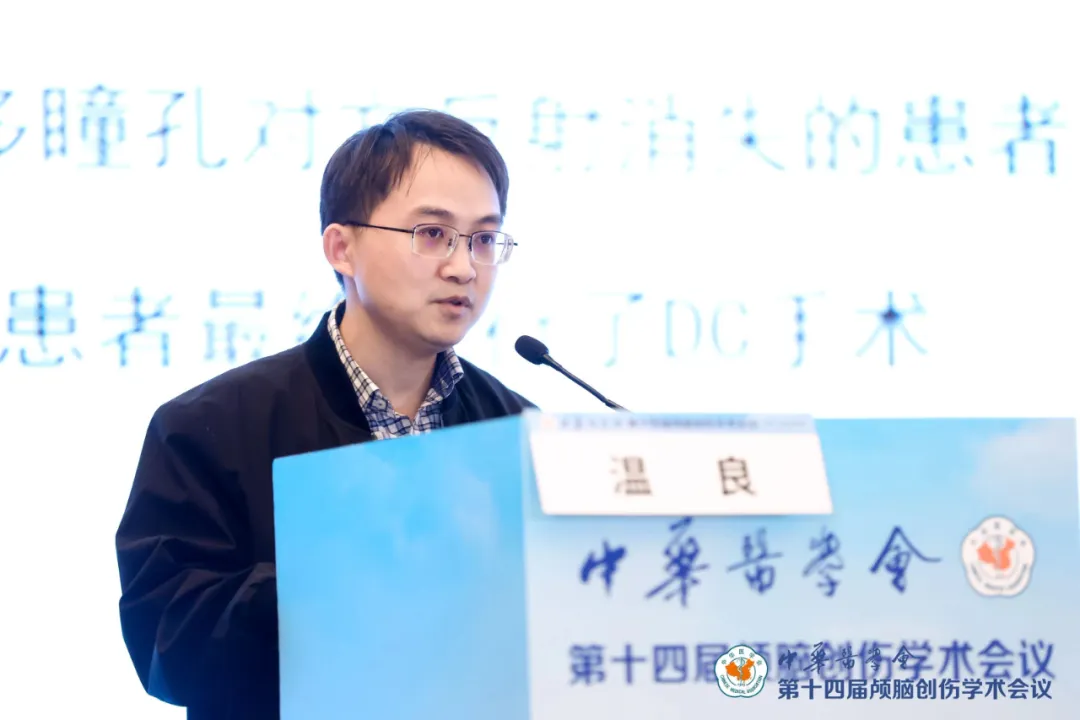
Professor Liang Wen — First Affiliated Hospital, Zhejiang University School of Medicine.
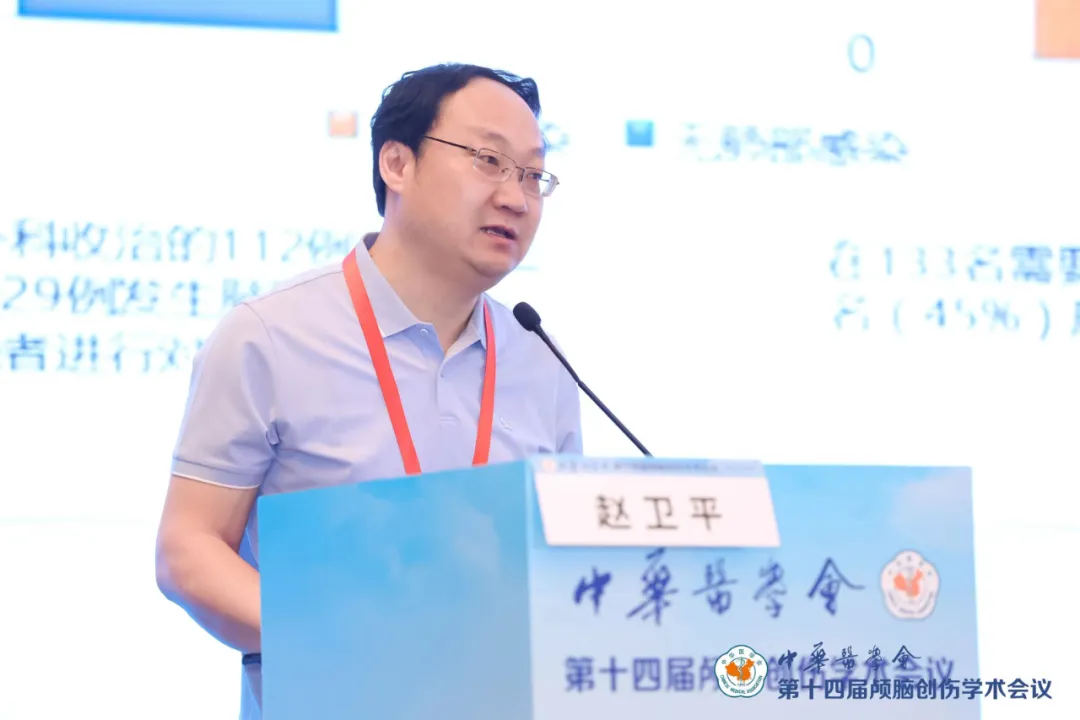
Professor Weiping Zhao — Inner Mongolia Autonomous Region People’s Hospital.
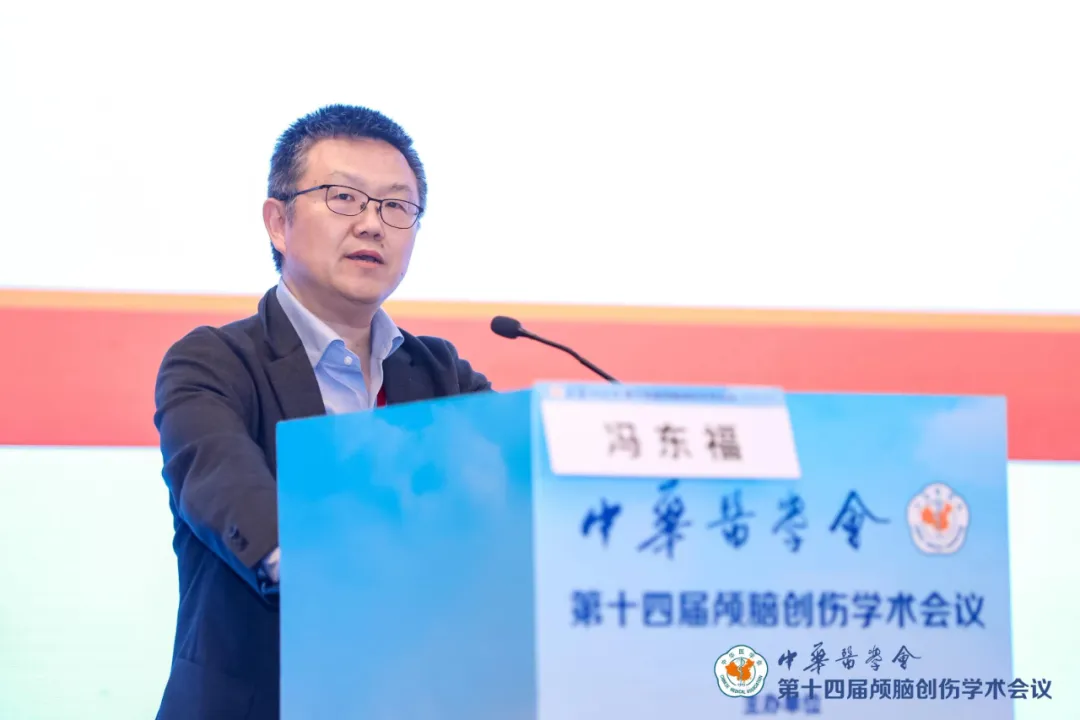
Professor Dongfu Feng — South Campus of Shanghai Sixth People’s Hospital, Shanghai Jiao Tong University School of Medicine.
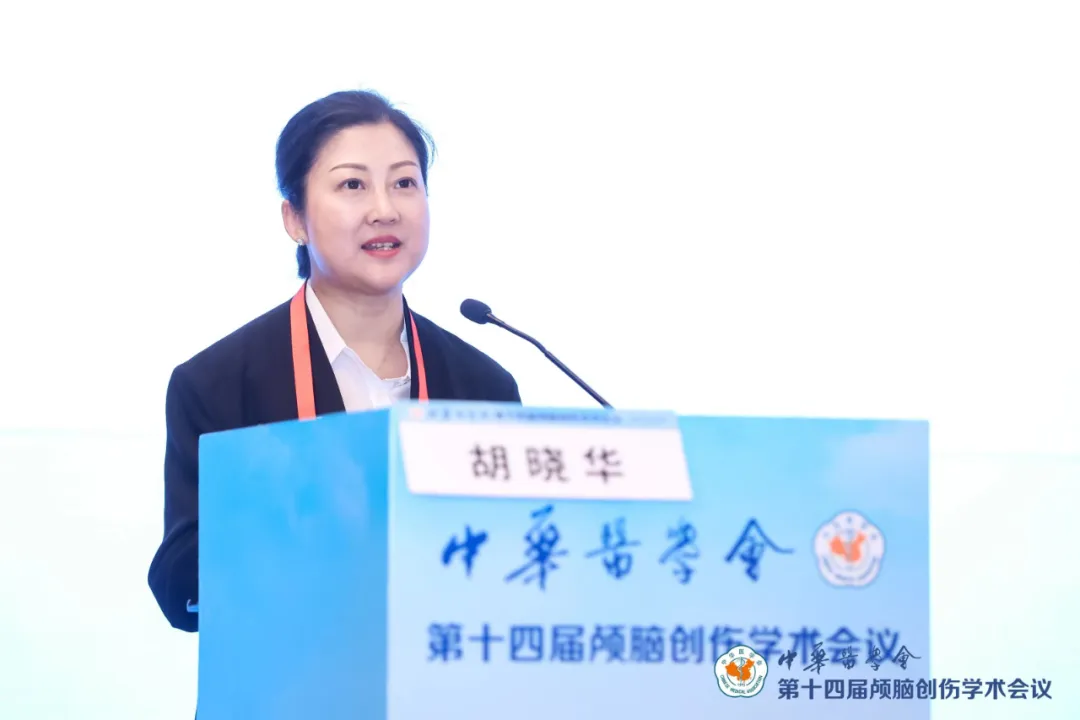
Professor Xiaohua Hu — Zhejiang Armed Police Corps Hospital.
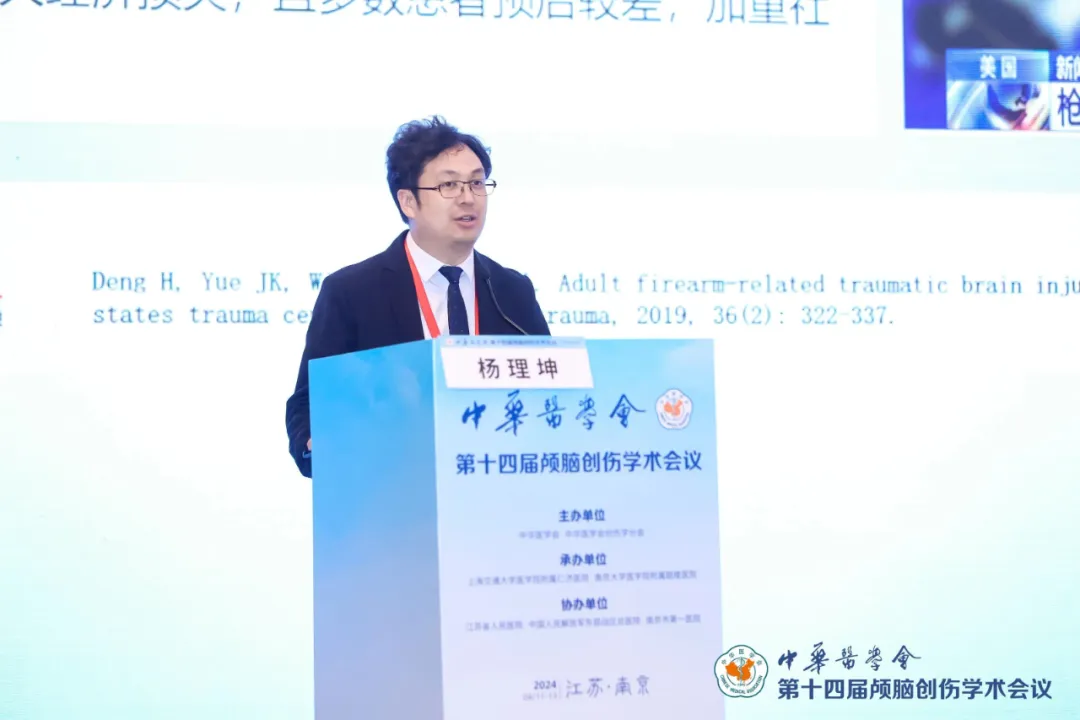
Professor Likun Yang — 904th Hospital of the PLA Joint Logistics Support Force.
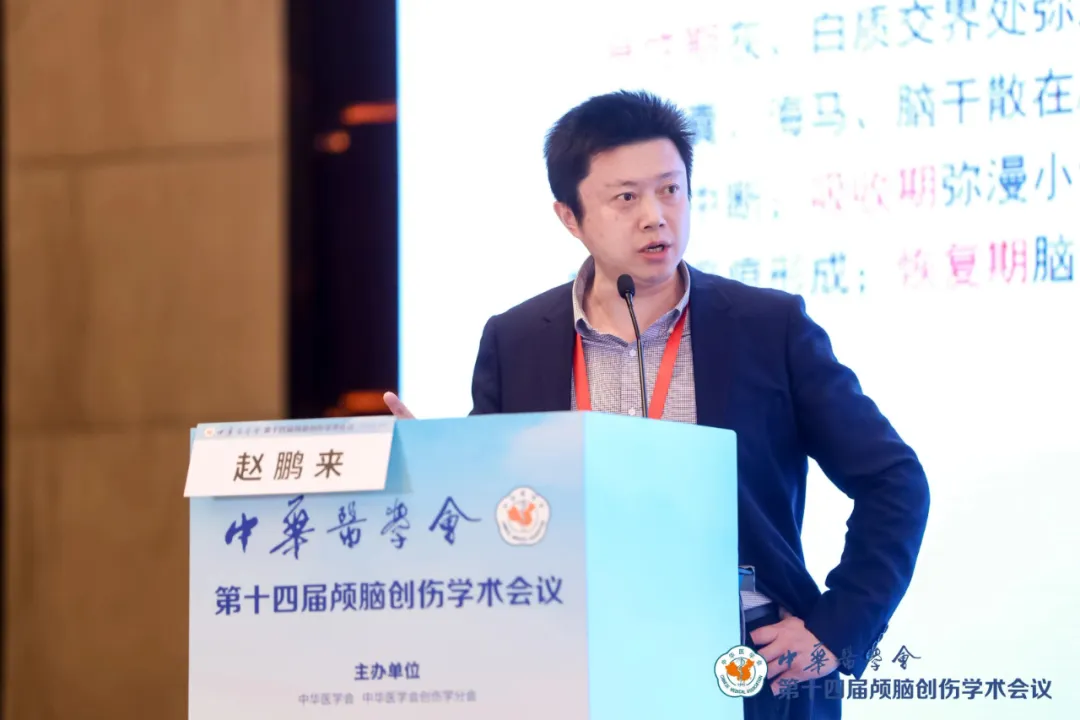
Professor Penglai Zhao — Nanjing Drum Tower Hospital, Nanjing University Medical School.
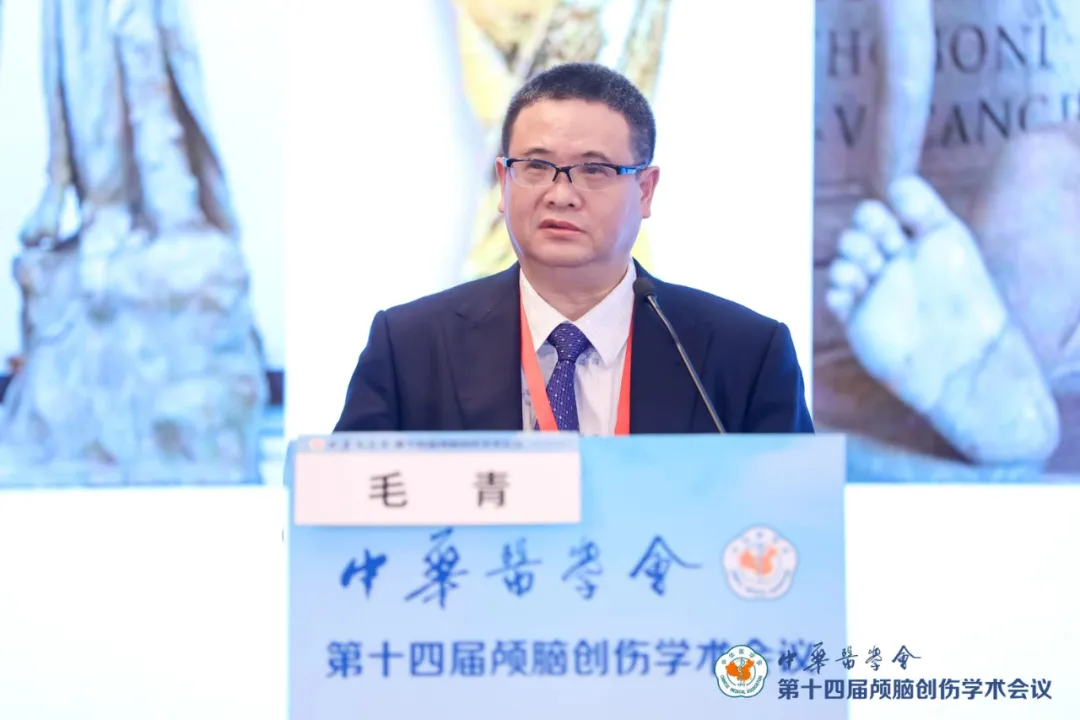
Professor Qing Mao — Renji Hospital, Shanghai Jiao Tong University School of Medicine.
The meeting again included a nursing forum, providing more clinical nurses with opportunities to present their work. A clinical research promotion meeting invited Professor Li Xie of Shanghai Jiao Tong University School of Medicine's Clinical Research Centre to discuss difficulties in conducting research. Several ongoing studies were presented and their progress discussed.
The conference closed to enthusiastic applause. It provided a varied academic programme and vigorous discussion for neurotrauma physicians across China. Nearly 500 registered participants and more than 10,000 online video views reflected its academic influence. The next Chinese Medical Association neurotrauma meeting would move to Zhengzhou, Henan.

【转载自中华医学会创伤学分会】4月11日至13日,中华医学会第十四届颅脑创伤学术会议在历史名城南京盛大召开。会议由中华医学会、中华医学会创伤学分会主办,由上海交通大学医学院附属仁济医院和南京大学医学院附属鼓楼医院承办,江苏省人民医院、中国人民解放军东部战区总医院和南京市第一医院协办。中华医学会创伤学分会前任主任委员、上海交通大学医学院附属仁济医院首席专家江基尧教授担任大会主席,上海交通大学医学院附属仁济医院颅脑创伤中心冯军峰教授、南京大学医学院附属鼓楼医院神经外科杭春华教授担任大会执行主席,江苏省人民医院神经外科尤永平教授、中国人民解放军东部战区总医院神经外科马驰原教授和南京市第一医院神经外科樊友武教授担任大会共同主席。
在颅脑创伤领域,每年一次的中华医学会颅脑创伤学术会议是国内规模最大、涵盖内容最广泛的学术盛会。会议的宗旨是分享、交流国内外颅脑创伤相关的临床、基础研究的前沿进展,探讨颅脑创伤相关规范,以提升临床救治水平,从而造福于我国颅脑创伤患者。目前,中华医学会颅脑创伤学术会议已在国内11个省市成功举办13次,对全国各地颅脑创伤救治观念及手术实践产生了深远影响。
大会在过往13届中华医学会颅脑创伤学术会议的精彩回顾中隆重开幕。会议由南京大学医学院附属鼓楼医院神经外科杭春华教授主持。开幕式上,上海交通大学医学院附属仁济医院江基尧教授、南京大学医学院附属鼓楼医院院长于成功教授、上海交通大学医学院附属仁济医院院长夏强院士、南京大学副校长邹亚军教授分别致辞。
杭春华教授主持
首先,大会主席江基尧教授热情祝贺2024年中华医学会第十四届颅脑创伤学术会议的顺利召开,对主办方中华医学会和中华医学会创伤学分会、承办方上海交通大学医学院附属仁济医院团队及南京大学医学院附属鼓楼医院团队付出的巨大努力表示衷心的感谢,对参加本次会议的周良辅院士以及所有默默支持关心中国颅脑创伤事业的同道们表示衷心的感谢;希望通过大会构建交流平台,促进颅脑创伤学科基础与临床研究的进步,为提高我国颅脑创伤学科水平、造福病患、走向世界做出贡献。
江基尧教授致辞
随后,于成功院长代表大会的组织和承办单位,对所有参与和大力支持本次大会的国内外专家教授、业内同仁们表示热烈的欢迎和衷心的感谢。南京大学医学院附属鼓楼医院将以本次大会的召开为契机,不断提高颅脑创伤救治能力和规范化治疗水平,积极发挥医院在神经重症方面的救治体系性作用,为广大病患提供高质量的医疗服务。
于成功院长致辞
随后夏强院长致辞,对百忙之中抽空前来参会的各位专家、教授、医护工作者表示衷心的感谢。颅脑创伤作为临床急重症之一,对我国人民群众的生命健康和生活质量具有重要影响,因此,在这一领域不断提升技术水平和治疗效果、改善人民群众的生命健康是应尽之责。仁济颅脑创伤中心在江基尧教授的指导下,科主任冯军峰教授带领团队发扬仁济精神、发挥专业优势,成果斐然。本届论坛将继续共同关注颅脑创伤领域的最新研究成果,汇聚专家智慧,共同推动我国颅脑创伤诊疗理念、技术的发展。
夏强院长致辞
随后邹亚军副校长在致辞中对广大专家和与会人员的到来表示热烈欢迎和衷心的感谢。邹校长表示,此次中华医学会颅脑创伤学术会议在南京举办将对促进创伤医学的发展、提高创伤医学的临床救治和护理以及基础研究水平,特别是探寻具有中国特色的颅脑创伤救治方案,具有重要意义;希望与会专家大力弘扬医学科学精神,充分交流分享,碰撞思想,为颅脑创伤学科发展建言献策,为健康中国建设贡献力量。
邹亚军副校长致辞
随后,国内外颅脑创伤著名专家纷纷登场。大会共设置主旨演讲2场、特邀报告7场、护理分论坛1场和15场专题会。首先来自复旦大学附属华山医院的周良辅院士就爆炸相关颅脑创伤做高屋建瓴的主旨演讲,正式开启了颅脑创伤同仁们的学术探讨。其后,来自比利时Antwerp University Hospital的Andrew Maas教授做题为《Characteristics of TBI》的报告;来自意大利Humanitas University 的Franco Servadei教授做题为《RCT and guidelines for TBI management: how close are they to the reality of our work?》的报告;来自海军军医大学第一附属医院的刘建民教授做题为《Magic-MT研究结果解读》的报告;来自海军军医大学第二附属医院的侯立军教授做题为《神经损伤新理论在颅脑创伤中的应用与思考》的报告;来自上海交通大学医学院附属仁济医院的江基尧教授做题为《颅脑创伤规范与创新:任重道远》的报告;来自浙江大学医学院附属第一医院的杨小锋教授做题为《sTBI 的整体治疗策略》的报告;来自复旦大学附属华山医院的胡锦教授做题为《TBI救治从失败中获得教训有利于医生成长》的报告;来自首都医科大学附属北京天坛医院的高国一教授做题为《神经调控与颅脑创伤重症治疗》的报告;来自天津医科大学总医院的江荣才教授做题为《慢性硬膜下血肿药物治疗机制新发现》的报告;来自上海市第十人民医院的高亮教授做题为《颅内压增高ENLS教程解析》的报告;来自中国医学科学院北京协和医院的魏俊吉教授做题为《颅脑创伤手术操作与感染风险》的报告;来自首都医科大学附属北京天坛医院的石广志教授做题为《TBI治疗中糖皮质激素应用的新探索》的报告;来自新疆医科大学第一附属医院的汪永新教授做题为《创伤性脑损伤生物标记物及其临床意义》的报告;来自首都医科大学附属北京天坛医院的刘伟明教授做题为《努力提高轻型颅脑创伤诊治能力》的报告;来自中国人民解放军联勤保障部队第九〇四医院的王玉海教授做题为《颅脑创伤术后再出血原因及干预》的报告;来自中南大学湘雅医院的刘劲芳教授做题为《颅脑创伤的慢性进程与管理》的报告;来自首都医科大学宣武医院的陈文劲教授做题为《基于脑血流调节的临床治疗》的报告;来自上海市东方医院的钟春龙教授做题为《脑脊液漏经鼻微创修补手术》的报告;来自空军军医大学唐都医院的李立宏教授做题为《脑水肿与颅内压:异与同及治疗》的报告;来自南方医科大学南方医院的邱炳辉教授做题为《生长激素在sTBI的应用》的报告;来自南方医科大学珠江医院的王清华教授做题为《床旁TCD在重型颅脑创伤的应用》的报告;来自四川大学华西医院的杨朝华教授做题为《有外伤史的硬膜下积脓诊治体会》的报告;来自上海交通大学医学院附属仁济医院的冯军峰教授做题为《重视颅脑创伤再次手术的“技”与“术”》的报告;来自山东大学齐鲁医院的黄齐兵教授做题为《神经重症介导下sTBI救治思路转换》的报告;来自赣州市人民医院的蒋秋华教授做题为《神经重症保全气道免气管切开之我见》的报告;来自安徽省第二人民医院的张永明教授做题为《脑损伤后慢性意识障碍治疗的临床探索》的报告;来自中国人民解放军东部战区总医院的马驰原教授做题为《以恢复正常生理功能为目标的CSF管理》的报告;来自河南省人民医院的冯光教授做题为《sTBI多模态监测下的低温治疗优化》的报告;来自天津市环湖医院的张国斌教授做题为《脑池切开引流的历史与应用》的报告;来自中国医科大学附属第四医院的包义君教授做题为《术中颅内压与超声结合对TBI治疗作用》的报告;来自深圳市第二人民医院的沙小松教授做题为《TBI流行病学市、区差异与救治质控体系》的报告;来自宁波大学附属人民医院的高峰教授做题为《超大骨瓣减压治疗特重型颅脑创伤的体会》的报告;来自湖州南太湖医院的龙连圣教授做题为《急诊介入治疗在合并颅脑创伤多发伤救治》的报告;来自浙江大学医学院附属第一医院的温良教授做题为《以ICP为基础术中指导DC骨瓣回纳研究》的报告;来自内蒙古自治区人民医院的赵卫平教授做题为《sTBI气道廓清技术应用》的报告;来自上海交通大学医学院附属第六人民医院南院的冯东福教授做题为《额窦损伤修复策略》的报告;来自武警浙江省总队医院的胡晓华教授做题为《颅脑创伤后脑功能障碍的高压氧治疗》的报告;来自中国人民解放军联勤保障部队第九〇四医院的杨理坤教授做题为《颅脑创伤火器伤救治策略》的报告;来自南京大学医学院附属鼓楼医院的赵鹏来教授做题为《弥漫性轴索损伤治疗》的报告;来自上海交通大学医学院附属仁济医院的毛青教授做题为《颅脑创伤早期癫痫的预防性治疗》的报告。百余位颅脑创伤、神经重症的医护专家做了精彩的报告和交流,充分展现了国内主体救治理念和技术,总结了实践经验和教训。
复旦大学附属华山医院 周良辅院士
比利时Antwerp University Hospital Andrew Maas教授
意大利Humanitas University Franco Servadei教授
海军军医大学第一附属医院 刘建民教授
上海交通大学医学院附属仁济医院 江基尧教授
首都医科大学附属北京天坛医院 高国一教授
上海市第十人民医院 高亮教授
首都医科大学附属北京天坛医院 石广志教授
新疆医科大学第一附属医院 汪永新教授
首都医科大学附属北京天坛医院 刘伟明教授
中国人民解放军联勤保障部队第九〇四医院 王玉海教授
中南大学湘雅医院 刘劲芳教授
首都医科大学宣武医院 陈文劲教授
上海市东方医院 钟春龙教授
空军军医大学唐都医院 李立宏教授
南方医科大学南方医院 邱炳辉教授
南方医科大学珠江医院 王清华教授
四川大学华西医院 杨朝华教授
上海交通大学医学院附属仁济医院 冯军峰教授
山东大学齐鲁医院 黄齐兵教授
赣州市人民医院 蒋秋华教授/黄乾亮教授
安徽省第二人民医院 张永明教授
中国人民解放军东部战区总医院 马驰原教授
河南省人民医院 冯光教授
天津市环湖医院 张国斌教授
中国医科大学附属第四医院 包义君教授
深圳市第二人民医院 沙小松教授
宁波大学附属人民医院 高峰教授
湖州南太湖医院 龙连圣教授
浙江大学医学院附属第一医院 温良教授
内蒙古自治区人民医院 赵卫平教授
上海交通大学医学院附属第六人民医院南院 冯东福教授
武警浙江省总队医院 胡晓华教授
中国人民解放军联勤保障部队第九〇四医院 杨理坤教授
南京大学医学院附属鼓楼医院 赵鹏来教授
上海交通大学医学院附属仁济医院 毛青教授
本届论坛继续设置护理论坛,为更多临床护理人员提供了展示的平台和机会;举行了临床研究推动会,邀请上海交通大学医学院临床研究中心的谢丽教授就临床研究开展难点做相应的报告,汇报和讨论了多项正在开展的临床研究的进展现状。
最后会议在热烈的掌声中隆重闭幕。本届会议为全国广大颅脑创伤救治医生带来了一场精彩纷呈的学术盛宴,百花齐放,百家争鸣。共计近500名会议注册人员、10000余人次的在线视频点击量充分说明了会议的学术影响力。下一届中华医学会颅脑创伤学术会议将移师河南郑州。