Experts discuss a draft consensus on fluid collections after PEEK cranioplasty
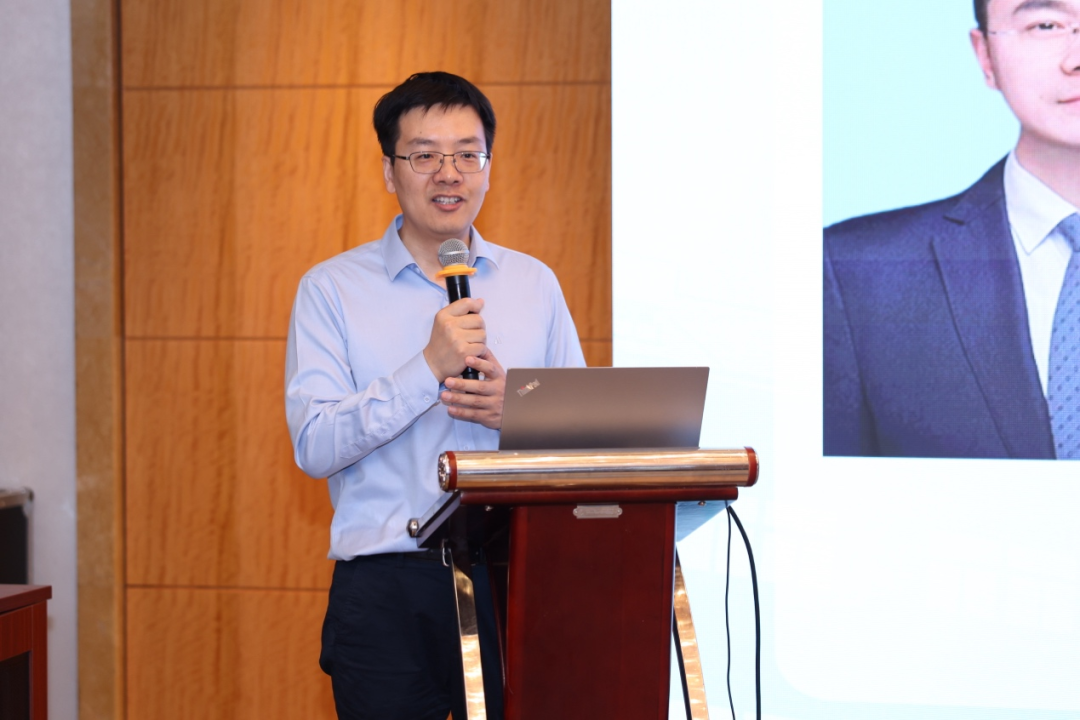
On 5 June 2026, during the ninth ICP conference, “Intelligence and New Standards,” an expert discussion on the “Consensus on Management of Subcutaneous Fluid Collections after Adult Polyetheretherketone Cranioplasty” took place in Shanghai. It addressed this common clinical problem, the rationale for consensus development, management priorities and further refinement, bringing together opinions to standardise perioperative PEEK cranioplasty care.
Professor Junfeng Feng, Director of Neurosurgery at Renji Hospital, Shanghai Jiao Tong University School of Medicine, opened the meeting. He noted the increasing use of PEEK, especially as access has improved in recent years. PEEK has good imaging compatibility and biocompatibility and relatively few overall complications, but postoperative subcutaneous fluid collections remain an important concern in adults. China currently lacks a systematic expert consensus specifically addressing this problem, giving the discussion clear clinical value.
Feng then introduced the background to the consensus. Its goal is to address real frontline needs and identify practical, transferable management points to help clinicians standardise prevention and treatment of fluid collections after PEEK cranioplasty.
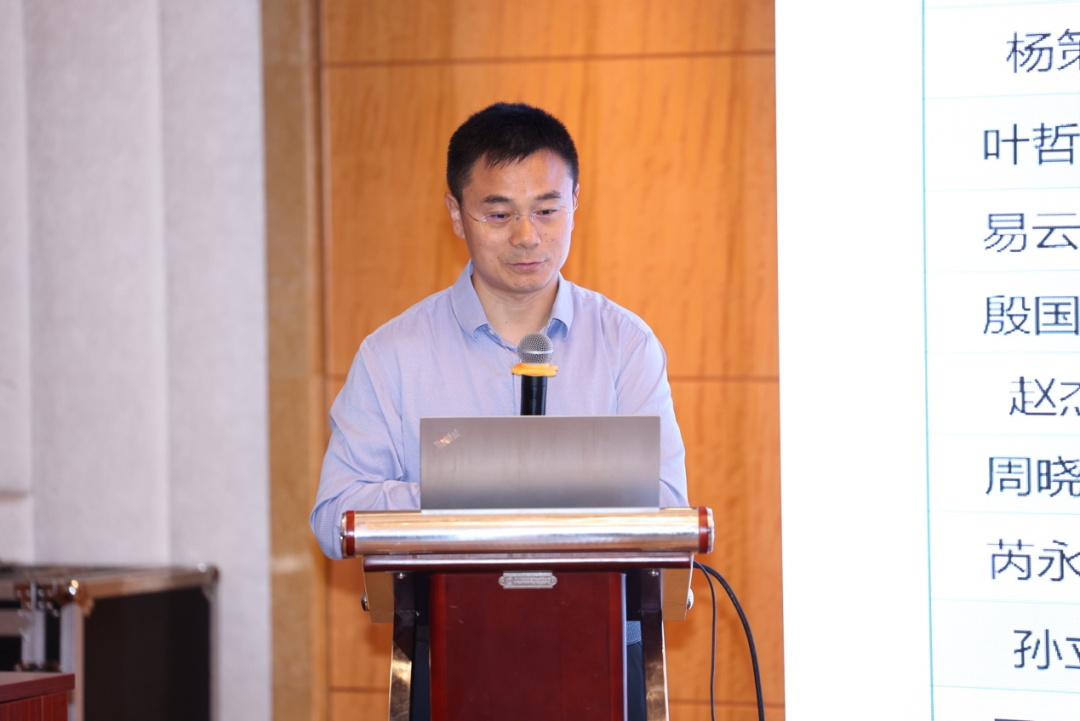
Professor Guodong Liu, Editorial Office Director and Executive Editor-in-Chief of the Chinese Journal of Traumatology, explained the development process. An expert consensus must arise from practice while following standardised and transparent principles, with rigour in reviewing evidence, forming expert opinions, writing the text and presenting recommendations.
Experts in neurosurgery and related fields from hospitals across China discussed the draft. Participants included Professors Xianzhen Chen (Shanghai Tenth People’s Hospital, Tongji University), Hao Chen (Shanghai Sixth People’s Hospital), Guang Feng (Henan Provincial People’s Hospital), Shunnan Ge (Tangdu Hospital, Air Force Medical University), Chunhua Hang (Nanjing Drum Tower Hospital, Nanjing University Medical School), Hongsheng Liang (First Affiliated Hospital of Harbin Medical University), Hu Qin (First Affiliated Hospital of Xinjiang Medical University), Xuefei Shao (First Affiliated Hospital of Wannan Medical College), Yuhai Wang (PLA Joint Logistics Support Force No. 904 Hospital), Liang Wen (First Affiliated Hospital, Zhejiang University School of Medicine), Likun Yang (PLA Joint Logistics Support Force No. 904 Hospital), Xiaofeng Yang (First Affiliated Hospital, Zhejiang University School of Medicine), Yuanliang Ye (Liuzhou People’s Hospital, Guangxi), Jian Yu (Huashan Hospital, Fudan University) and Yongming Zhang (Anhui No. 2 People’s Hospital), together with Yong Xiang, senior editor of the Chinese Journal of Traumatology.
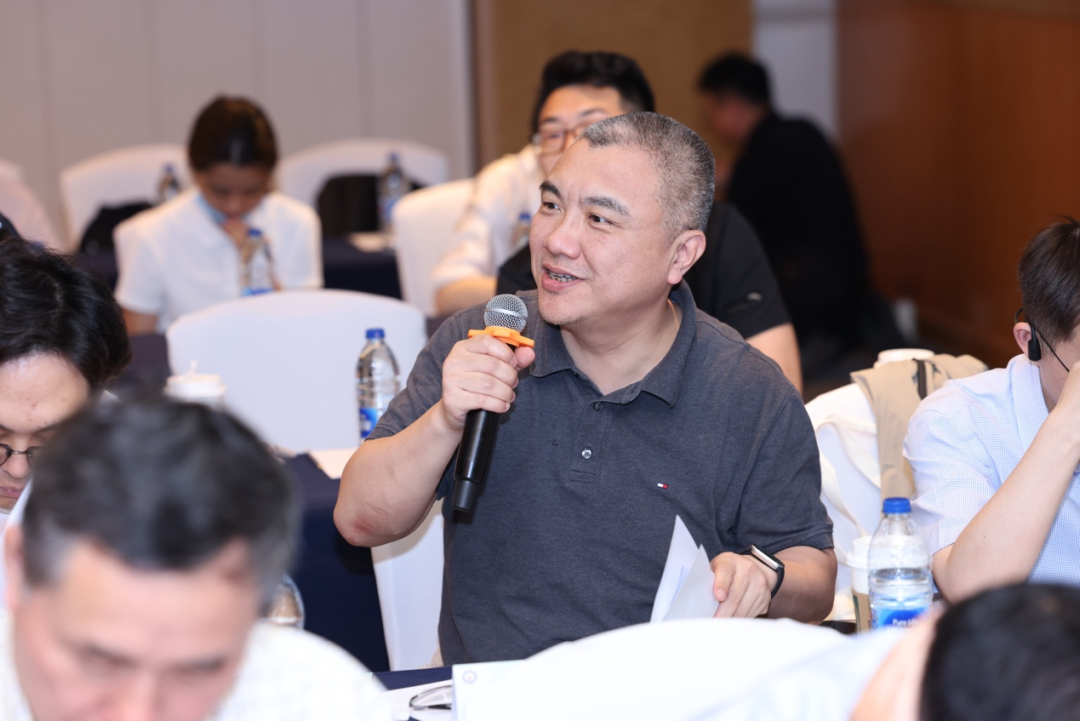
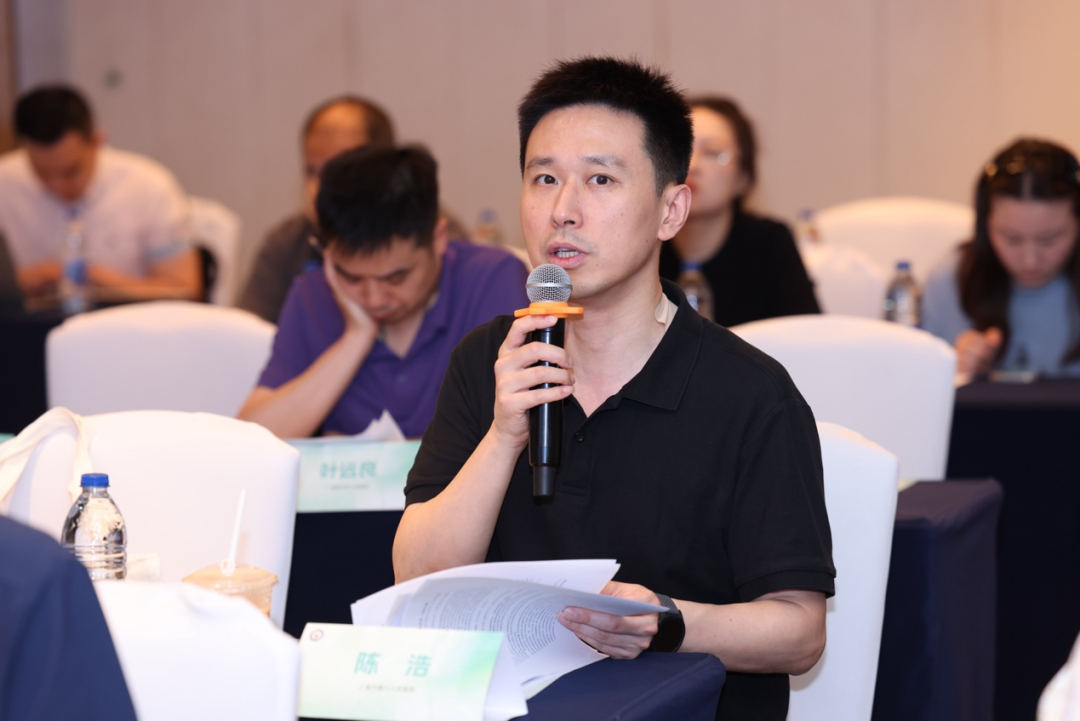
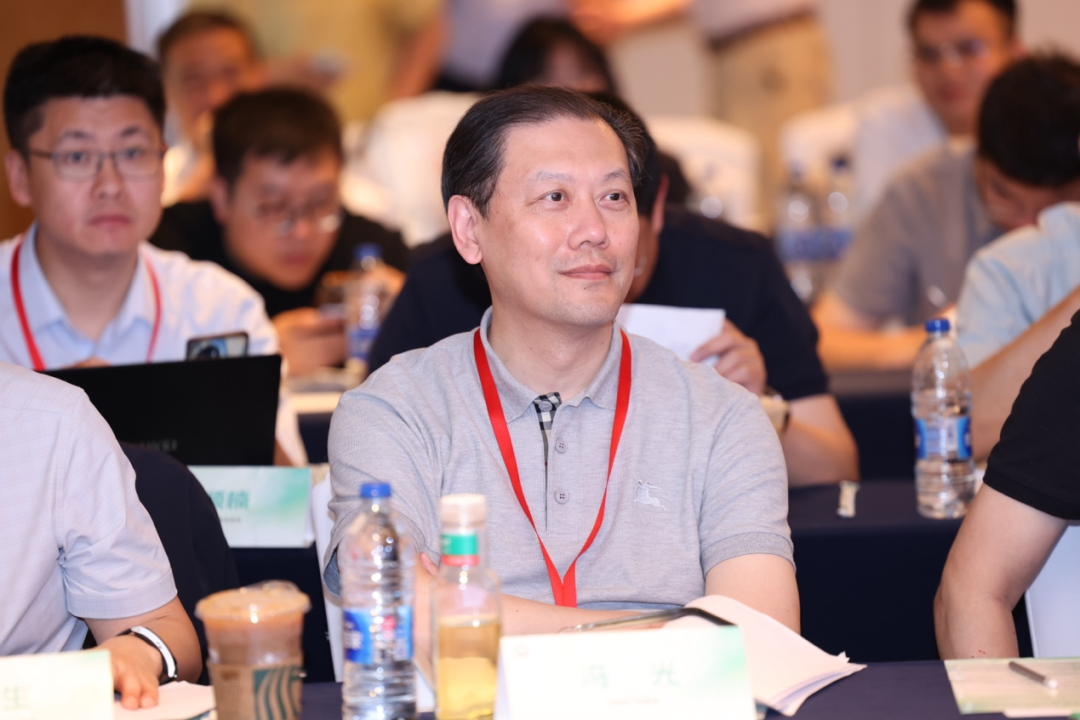
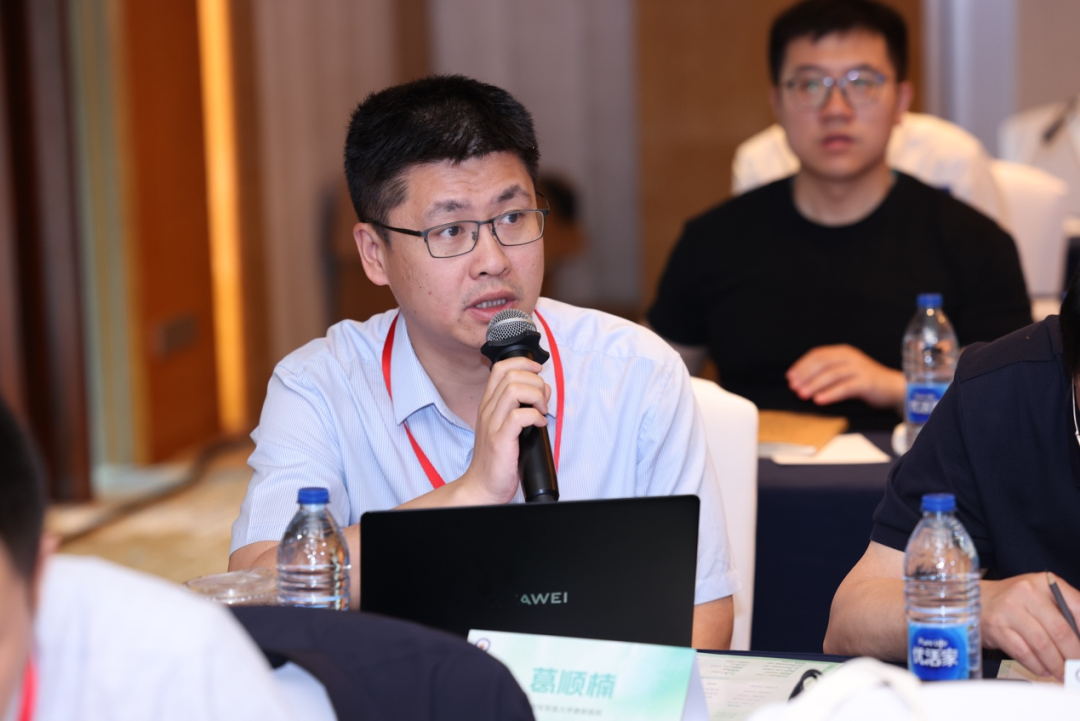
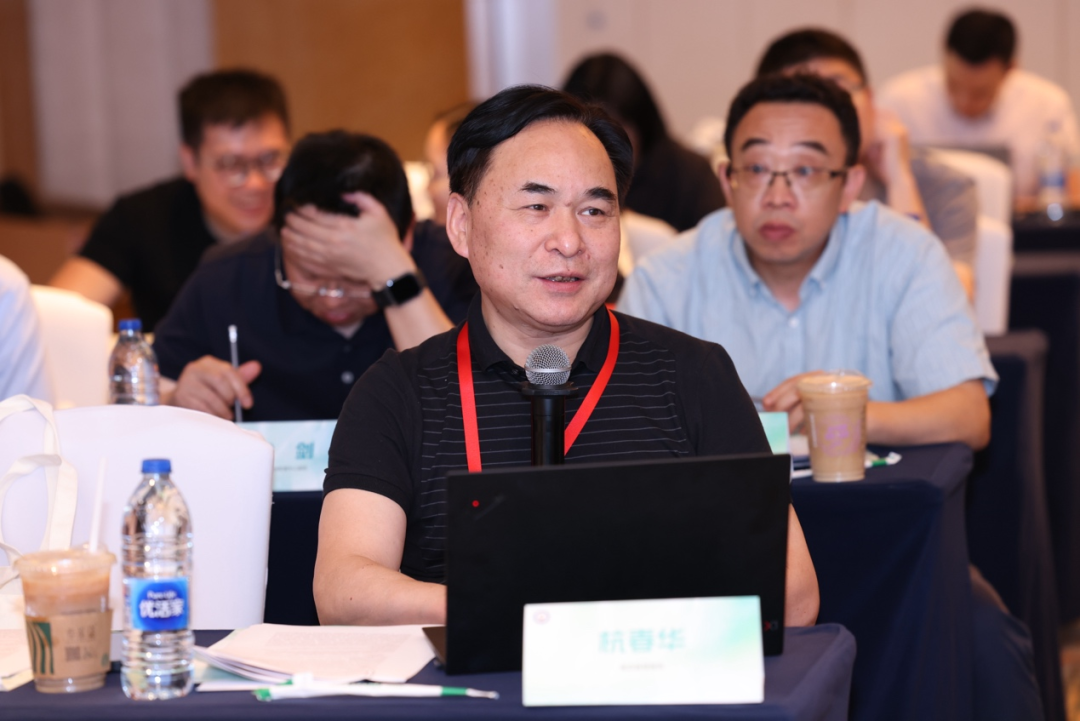
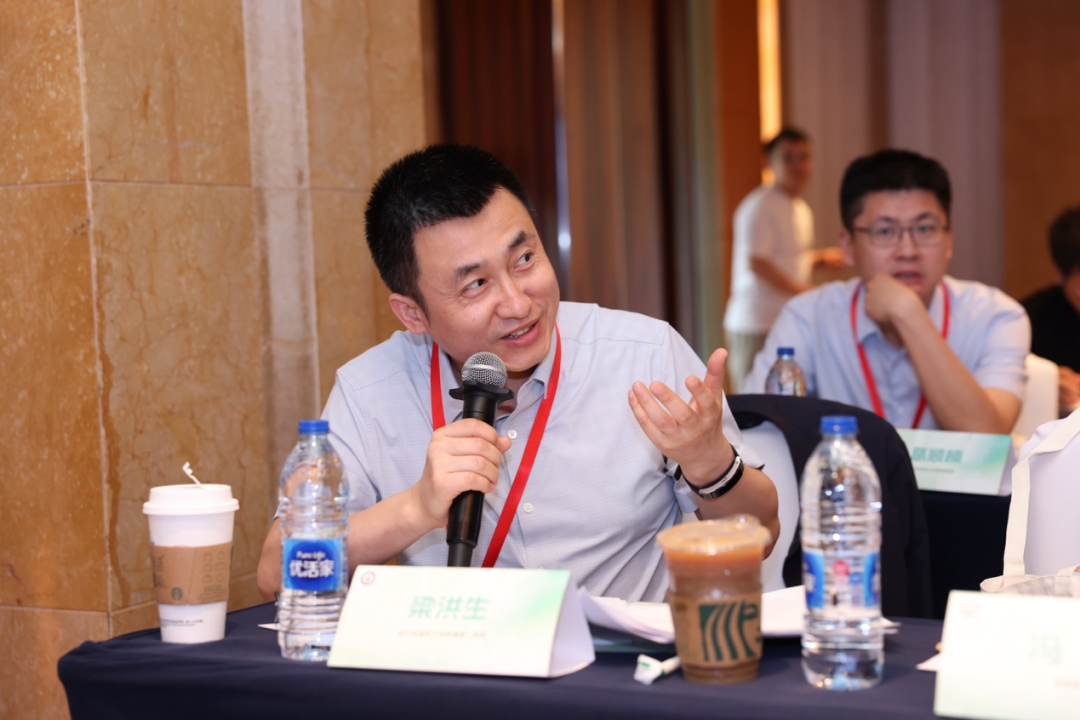
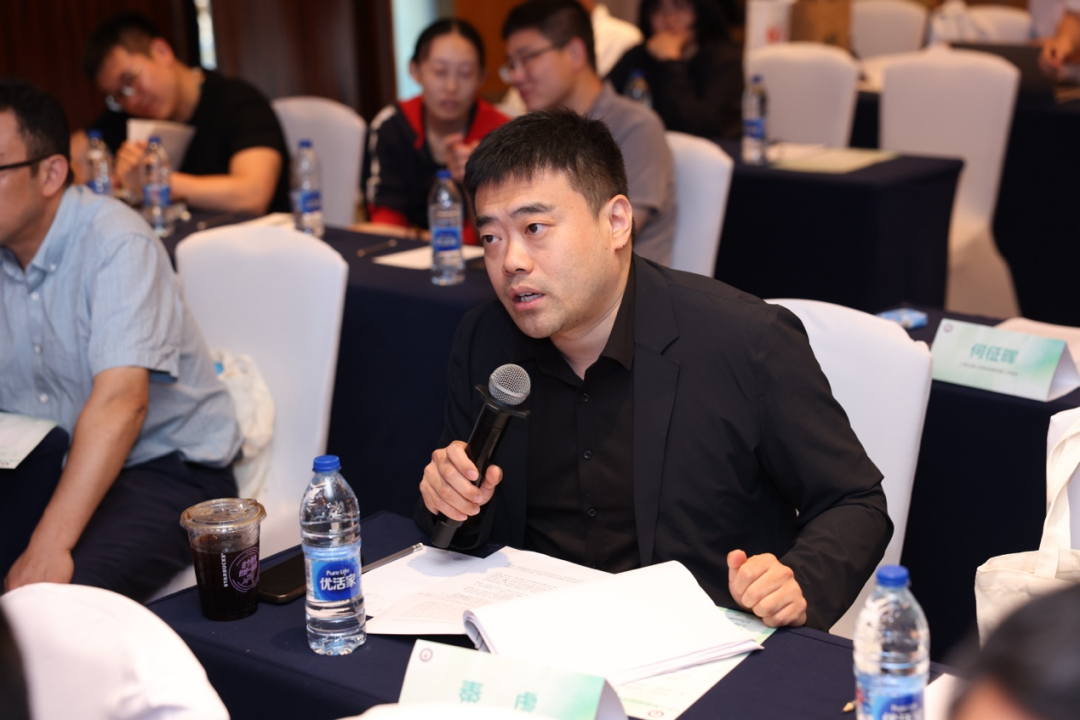
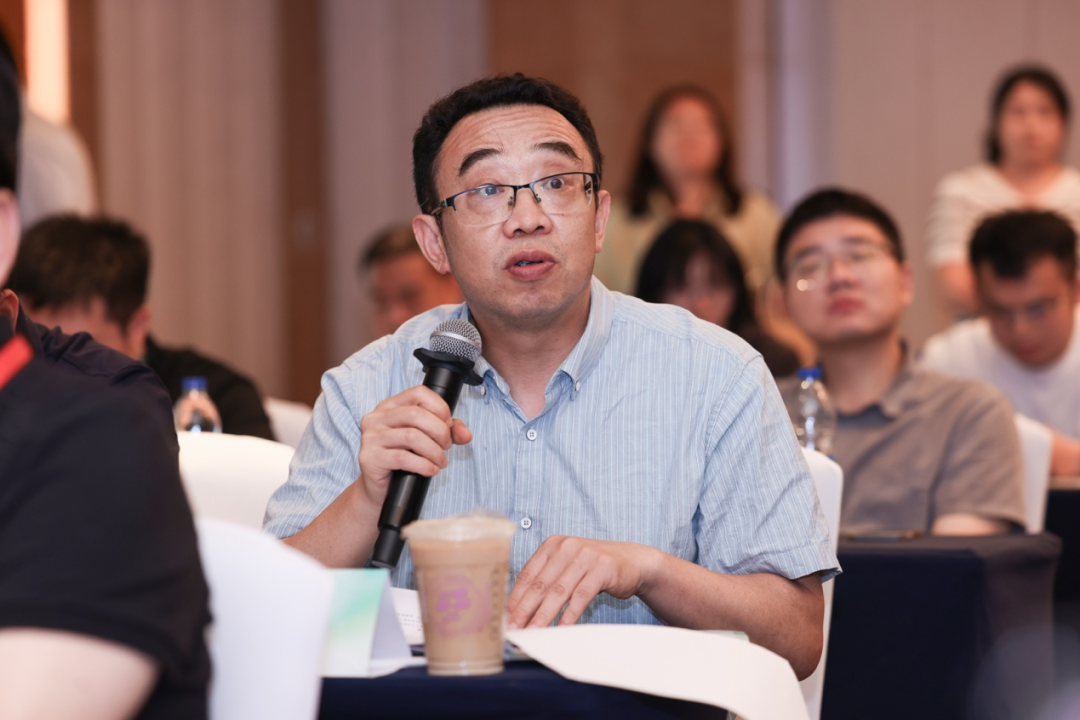
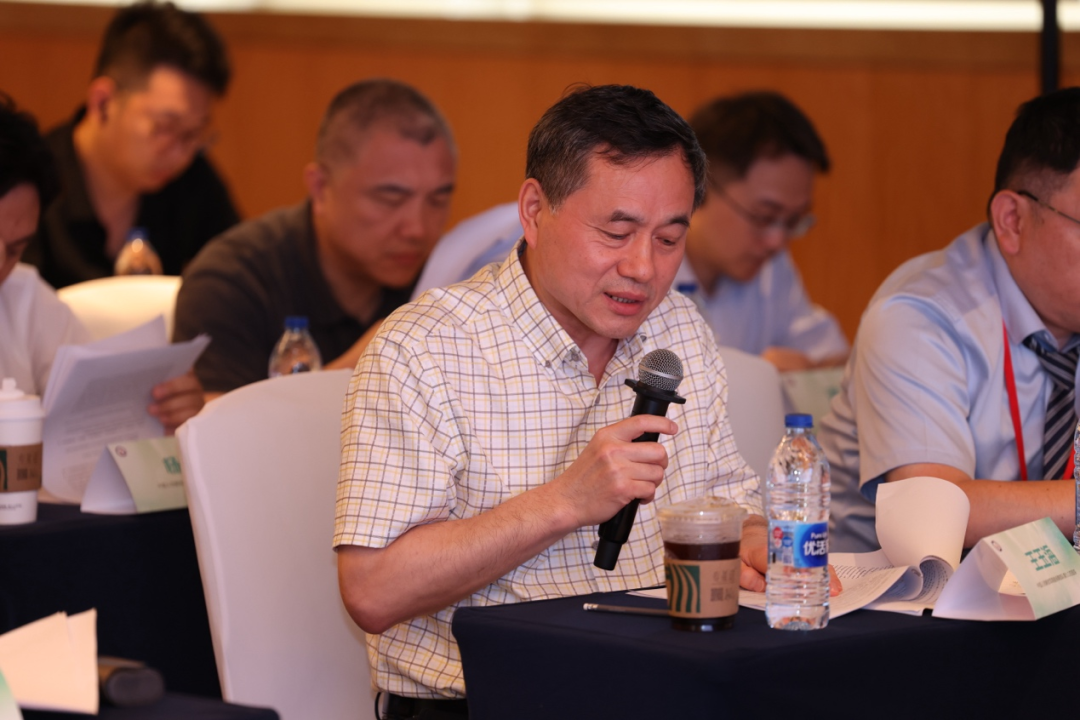
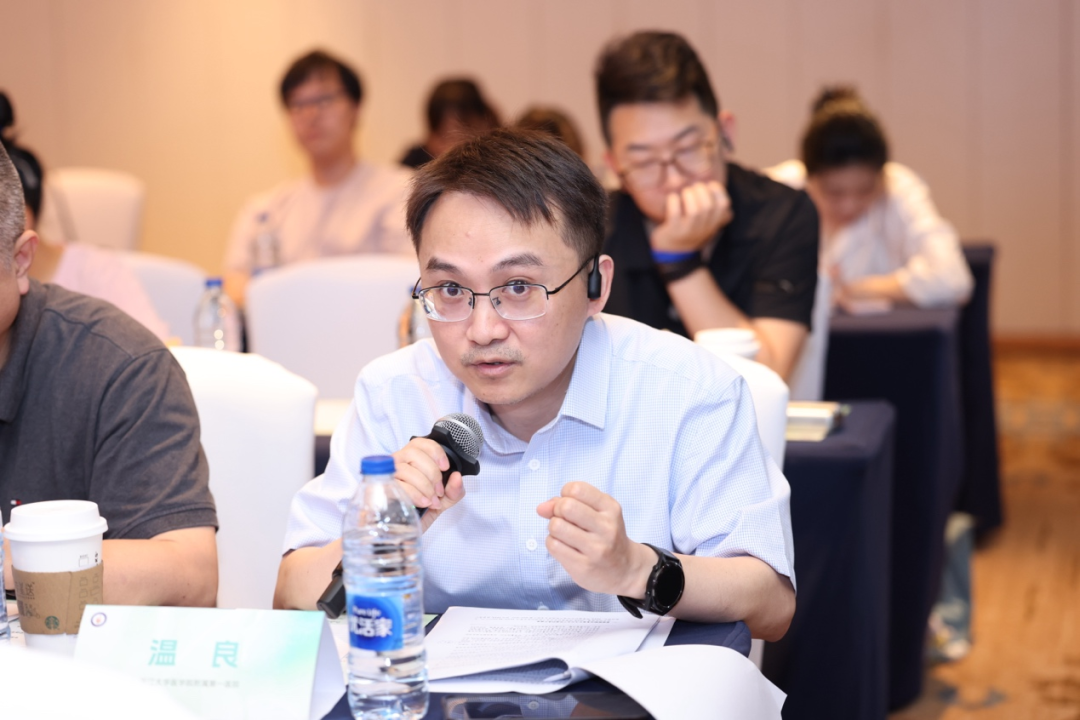
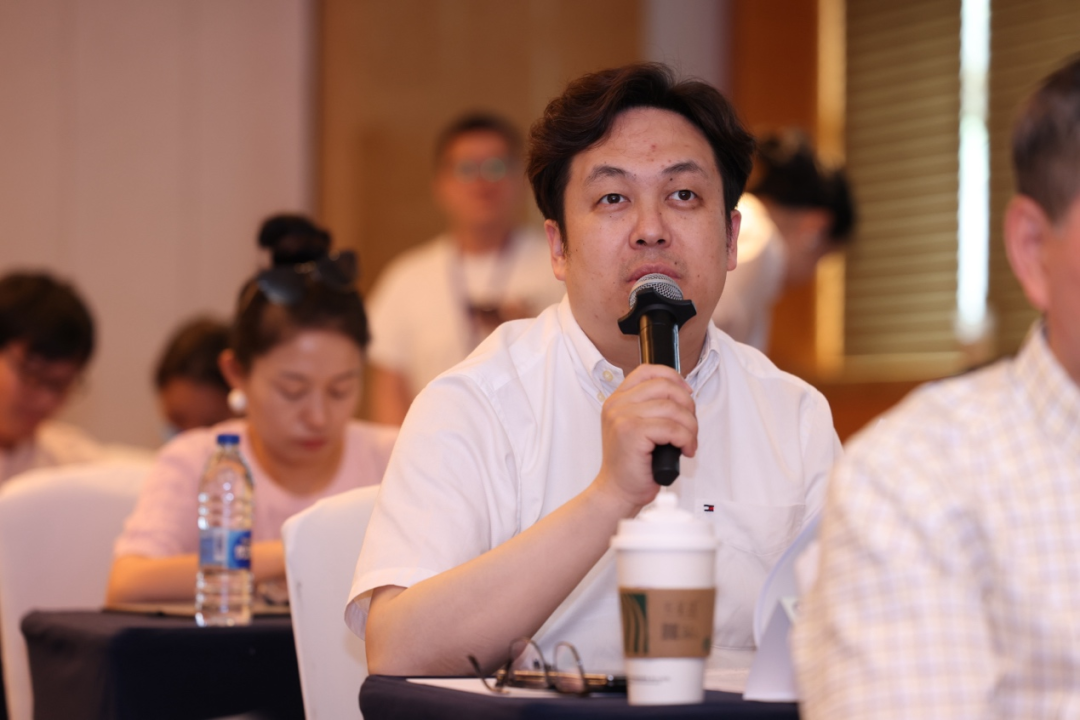
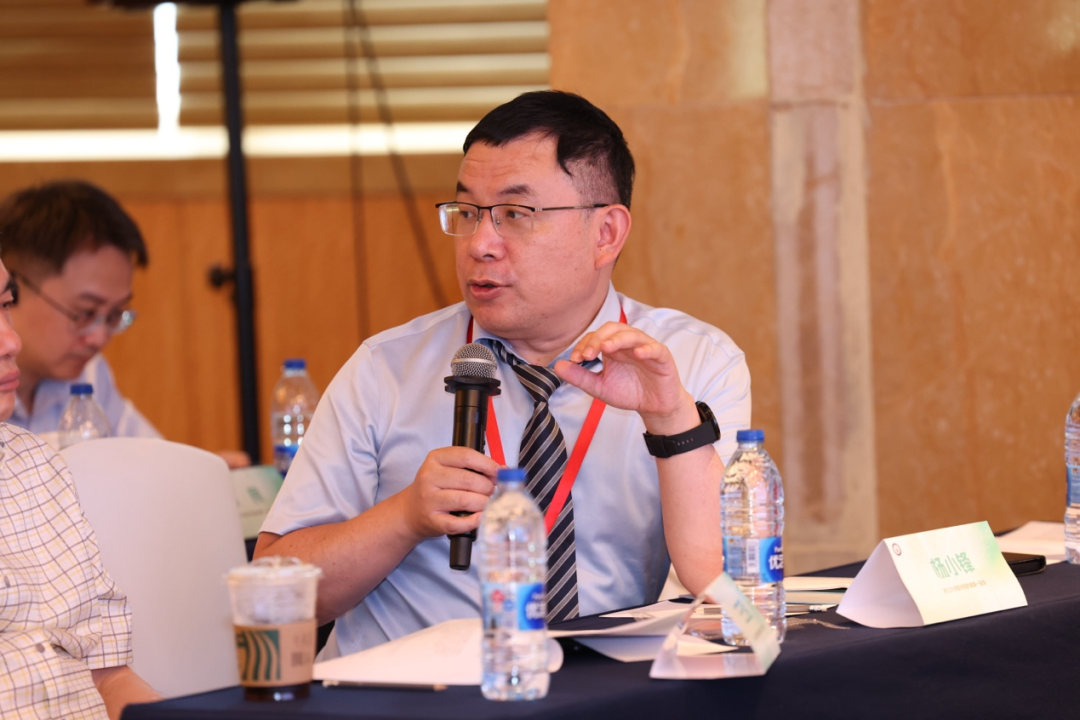
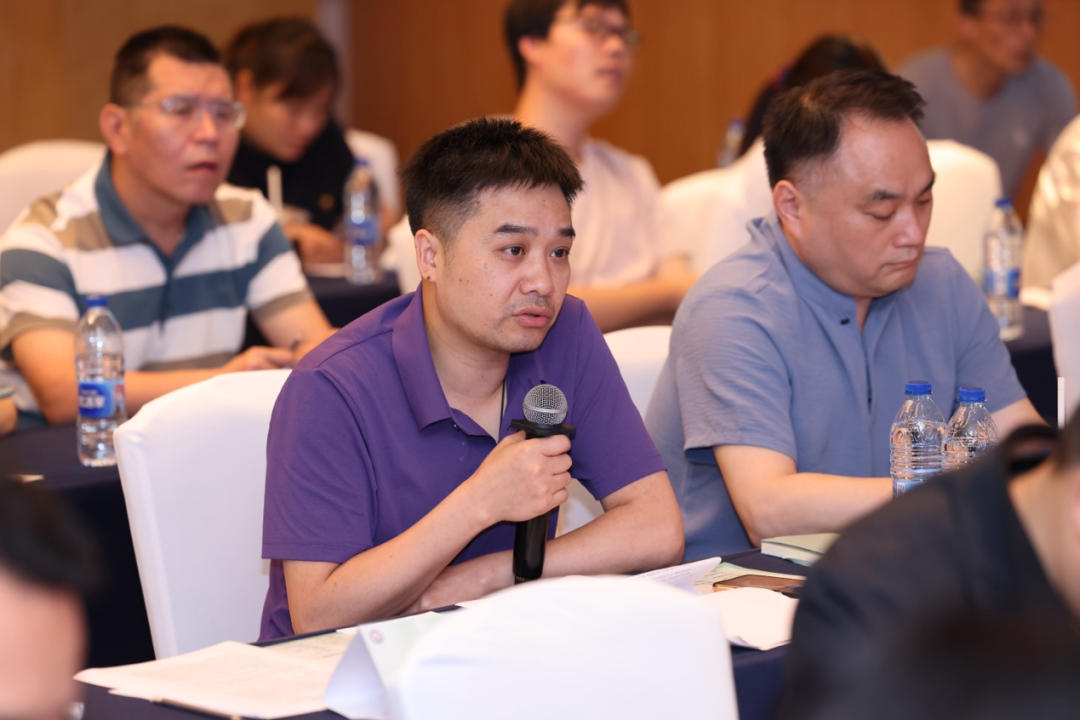
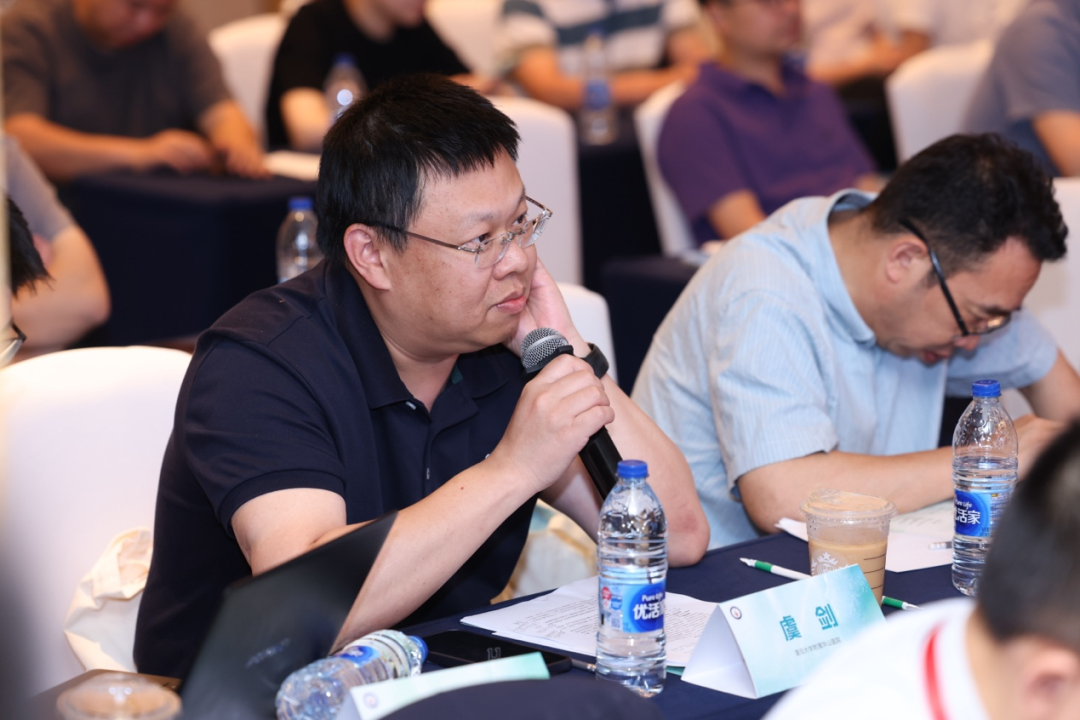
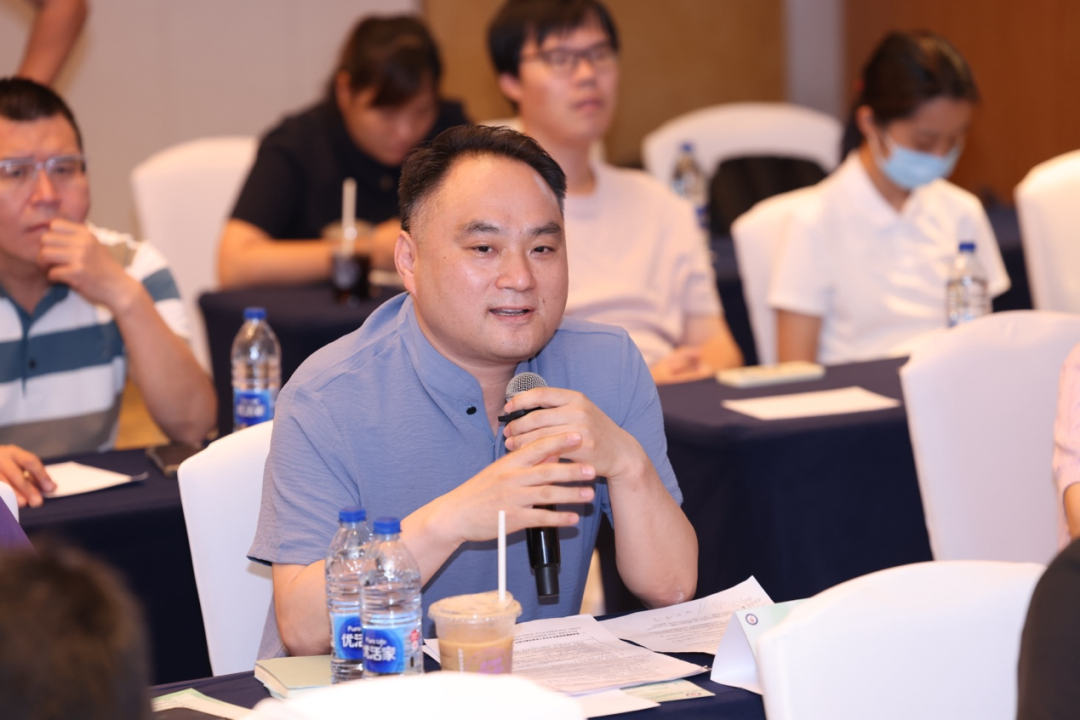
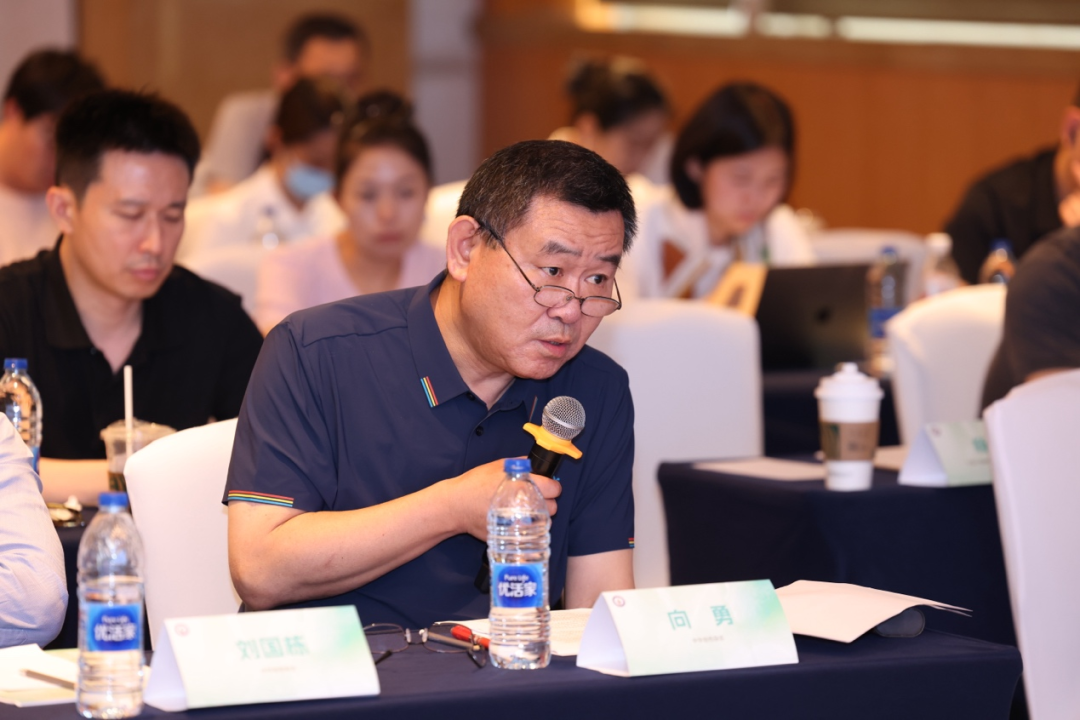
Drawing on experience at different centres, experts offered suggestions on mechanisms of fluid collection, preoperative risk assessment, implant design and fit, intraoperative soft-tissue handling, haemostasis and drainage, postoperative compression dressings, follow-up and the timing of aspiration. Several stressed that no single factor explains fluid collection: defect location, soft tissues, previous operations, dural condition, implant design, fixation and postoperative management all contribute. The consensus should therefore emphasise prevention, stratified management and standardised treatment.
Practical implementation was another priority. Some suggested clearer observation criteria and pathways for mild, persistent or recurrent fluid collections. Others proposed accommodating the conditions of hospitals at different levels while remaining academically rigorous and understandable to frontline clinicians. Medical editors advised on terminology, evidence logic, wording and presentation of recommendations, supporting further refinement.
In his closing remarks, Feng noted that management extends across preoperative assessment, surgery and follow-up and affects both the patient’s recovery experience and the quality of cranioplasty. Drawing together multicentre experience is valuable for improving the text and its practical usefulness.
As a focused exchange during the ninth ICP conference, the meeting advanced work toward standardising PEEK postoperative management. The consensus will be further refined with guidance from the experts and the journal’s editorial team. Clearer pathways for prevention, identification and treatment are expected to provide a reference for better recovery, fewer complications and higher-quality cranioplasty.
Copyright notice: Intellectual property in content published by BrainMed’s Neurosurgery News, Neurointerventional News, Brain Medical Consultation and AiBrain belongs to BrainMed, the organisers, original authors and other rights holders. Republishing, excerpting, copying, cropping or recording without permission is prohibited. Authorised use must acknowledge the source. Forwarding and sharing are welcomed.
2026年6月5日,在“智领·新标”第九届ICP大会召开期间,《成人聚醚醚酮颅骨修补术后皮下积液管理专家共识》讨论会于上海举行。会议聚焦成人PEEK颅骨修补术后皮下积液这一临床常见问题,围绕共识制定背景、临床管理要点及后续完善方向展开深入交流,为推动PEEK颅骨修补围手术期管理规范化凝聚专家意见。
会议伊始,上海交通大学医学院附属仁济医院神经外科主任冯军峰教授作开场致辞。冯教授指出,随着PEEK颅骨修补材料在临床中的应用不断增多,尤其是近年来随着材料可及性提升,临床选择PEEK修补的患者数量快速增加。PEEK材料具有良好的影像学兼容性和生物相容性,总体并发症相对较少,但术后皮下积液仍是成人PEEK颅骨修补术后需要重点关注的问题。当前国内尚缺乏针对该问题的系统性专家共识,因此开展本次讨论具有明确的临床价值。
随后,冯军峰教授围绕《成人聚醚醚酮颅骨修补术后皮下积液管理专家共识》的制定背景进行了介绍。冯教授强调,共识制定的目标是聚焦临床一线真实需求,提炼可执行、可推广的管理要点,真正帮助医生规范开展PEEK颅骨修补术后皮下积液的预防与处理。
在共识制定规范方面,《中华创伤杂志》编辑部主任、执行总编辑刘国栋教授对共识制定流程进行了介绍。刘教授指出,专家共识既要来源于临床实践,也要遵循规范化、透明化的制定原则,在证据梳理、专家意见形成、文本表述和推荐意见呈现等方面均应保持严谨。
专家讨论环节中,来自全国多家医院的神经外科及相关领域专家围绕共识初稿进行了充分交流。参会专家包括:陈先震教授(同济大学附属第十人民医院)、陈浩教授(上海市第六人民医院)、冯光教授(河南省人民医院)、葛顺楠教授(空军军医大学唐都医院)、杭春华教授(南京大学医学院附属鼓楼医院)、梁洪生教授(哈尔滨医科大学附属第一医院)、秦虎教授(新疆医科大学第一附属医院)、邵雪非教授(皖南医科大学第一附属医院)、王玉海教授(中国人民解放军联勤保障部队第九〇四医院)、温良教授(浙江大学医学院附属第一医院)、杨理坤教授(中国人民解放军联勤保障部队第九〇四医院)、杨小锋教授(浙江大学医学院附属第一医院)、叶远良教授(广西柳州市人民医院)、虞剑教授(复旦大学附属华山医院)、张永明教授(安徽省第二人民医院)以及《中华创伤杂志》资深编辑向勇。
讨论中,各位专家结合不同中心的临床经验,就皮下积液发生机制、术前风险评估、修补板设计与贴合、术中软组织处理、止血与引流、术后加压包扎、随访观察及穿刺干预时机等问题提出了建设性意见。多位专家认为,PEEK颅骨修补术后皮下积液并非单一因素导致,而是与缺损部位、软组织条件、既往手术情况、硬膜状态、植入物设计、固定方式及术后管理等多环节相关。因此,共识应强调“预防为先、分层管理、规范处理”的基本原则。
同时,专家们也特别关注共识的可操作性。有专家建议,应进一步明确不同程度皮下积液的观察标准和处理路径,使临床医生在面对轻度积液、持续性积液或反复积液时有据可依;也有专家提出,共识内容应兼顾不同层级医院的临床条件,既体现学术严谨性,也便于一线医生理解和执行。医学编辑专家则从术语规范、证据逻辑、文字表达及推荐意见呈现等方面提出修改建议,为共识文本进一步完善提供了专业支持。
会议最后,冯军峰教授作总结发言。他表示,PEEK颅骨修补术后皮下积液管理贯穿术前评估、术中操作和术后随访全过程,不仅关系到患者恢复体验,也关系到颅骨修补手术整体质量。此次专家讨论充分汇集了全国多中心临床经验,对完善共识内容、提升共识实用价值具有重要意义。
作为第九届ICP大会期间的重要专题交流,本次《成人聚醚醚酮颅骨修补术后皮下积液管理专家共识》讨论会进一步推动了PEEK颅骨修补术后管理的规范化进程。未来,本项专家共识还会在各位专家、《中华创伤杂志》编辑部的共同指导下,进一步完善,成人PEEK颅骨修补术后皮下积液的预防、识别与处理有望形成更加清晰的临床路径,为提升患者术后恢复质量、降低并发症风险、推动颅骨修补技术高质量发展提供重要参考。
声明:脑医汇旗下神外资讯、神介资讯、脑医咨询、AiBrain所发表内容之知识产权为脑医汇及主办方、原作者等相关权利人所有。未经许可,禁止进行转载、摘编、复制、裁切、录制等。经许可授权使用,亦须注明来源。欢迎转发、分享。