A comic guide to traumatic brain injury and pressure inside the skull
In modern life, we often hear people say—
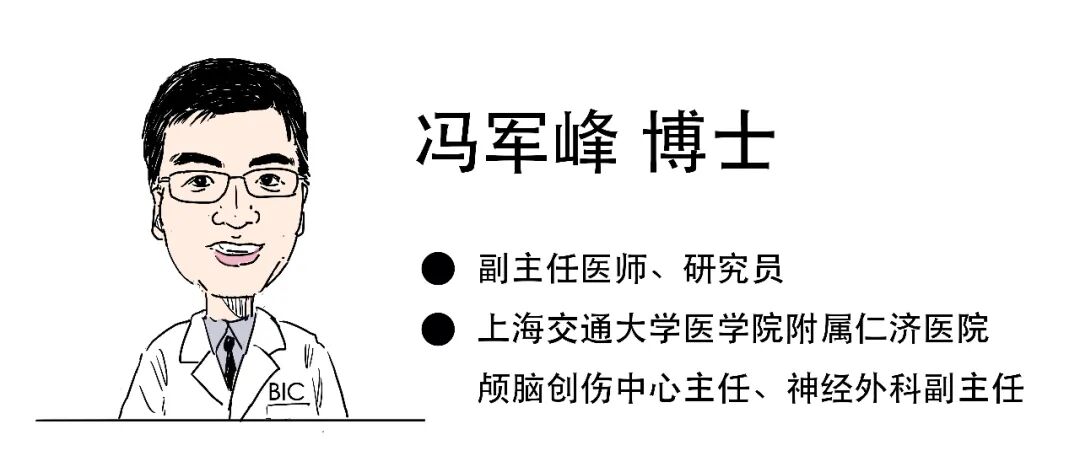
Yes, the brain can become ill. We have invited Dr Junfeng Feng of Renji Hospital to explore the brain with us. This series will help explain the brain and the conditions that affect it.
Traumatic brain injury
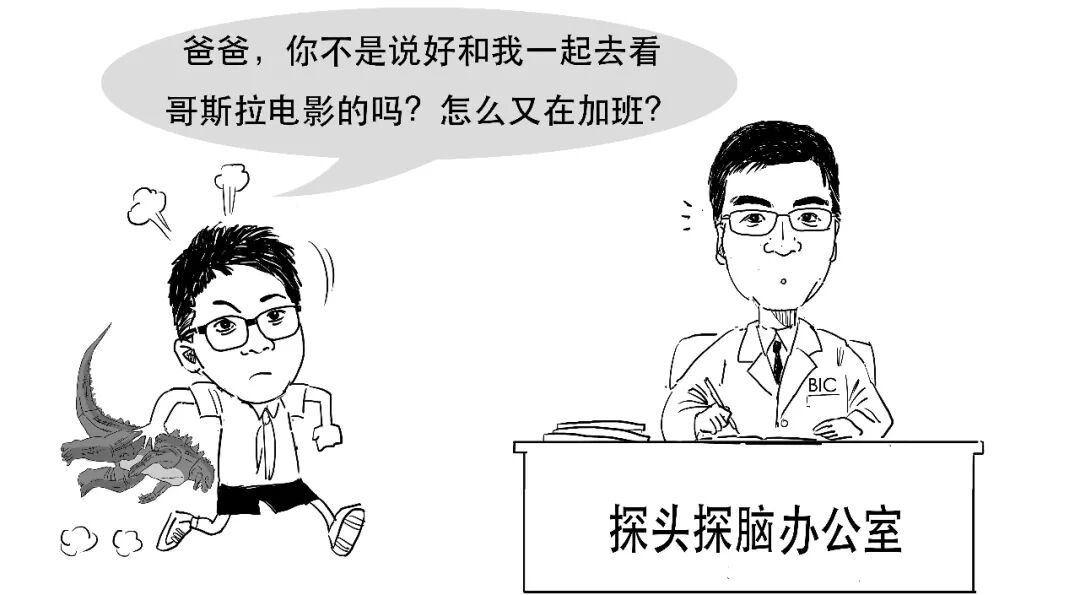
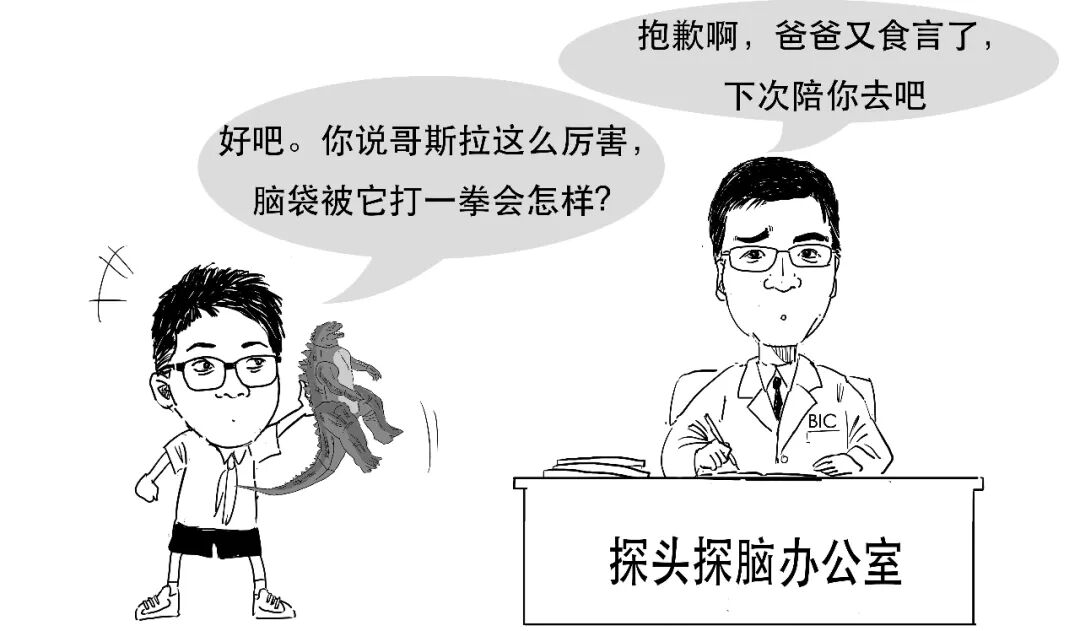
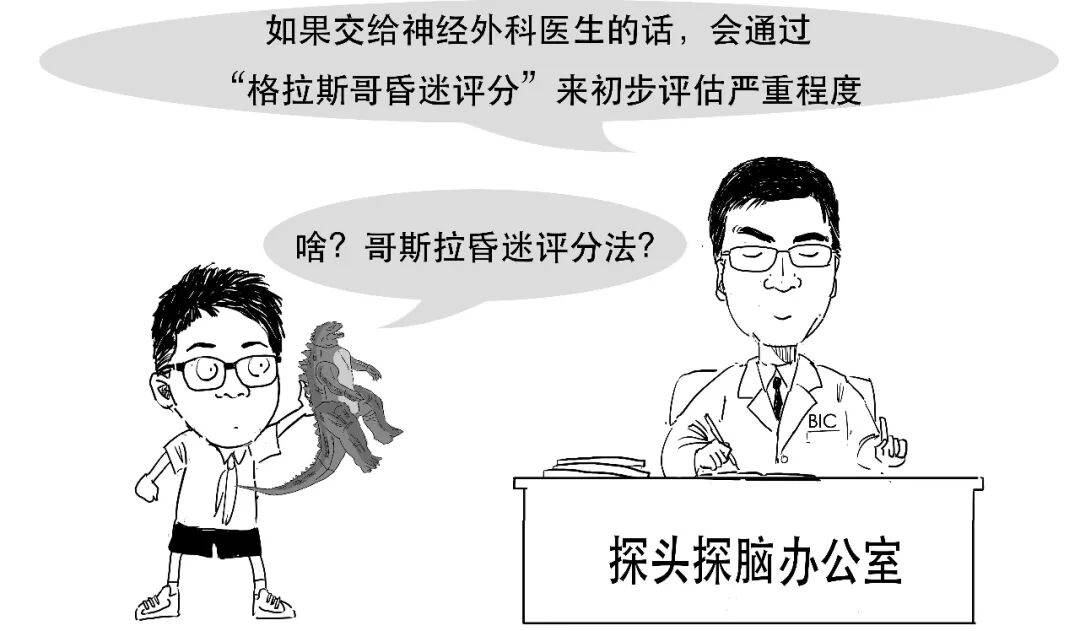
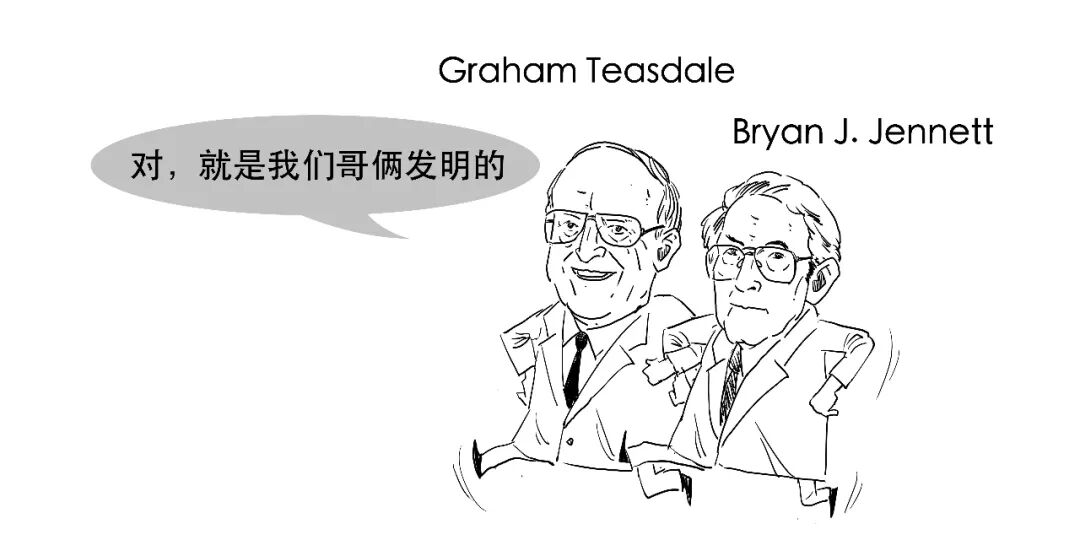
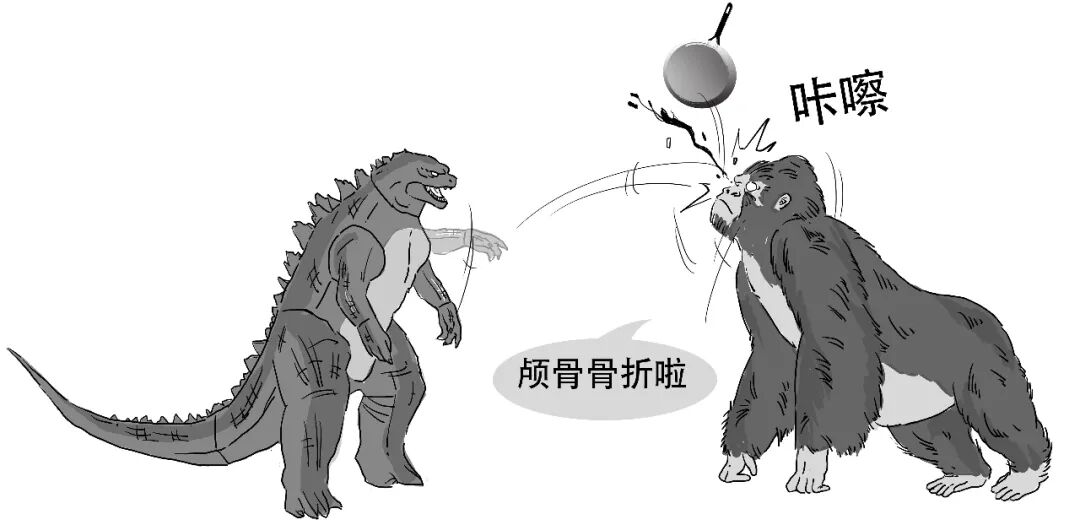
Not Godzilla—Glasgow! The Glasgow Coma Scale (GCS) assesses consciousness. Graham Teasdale and Bryan J. Jennett developed it in 1974. As neurosurgery professors at the University of Glasgow, they gave the scale its name.
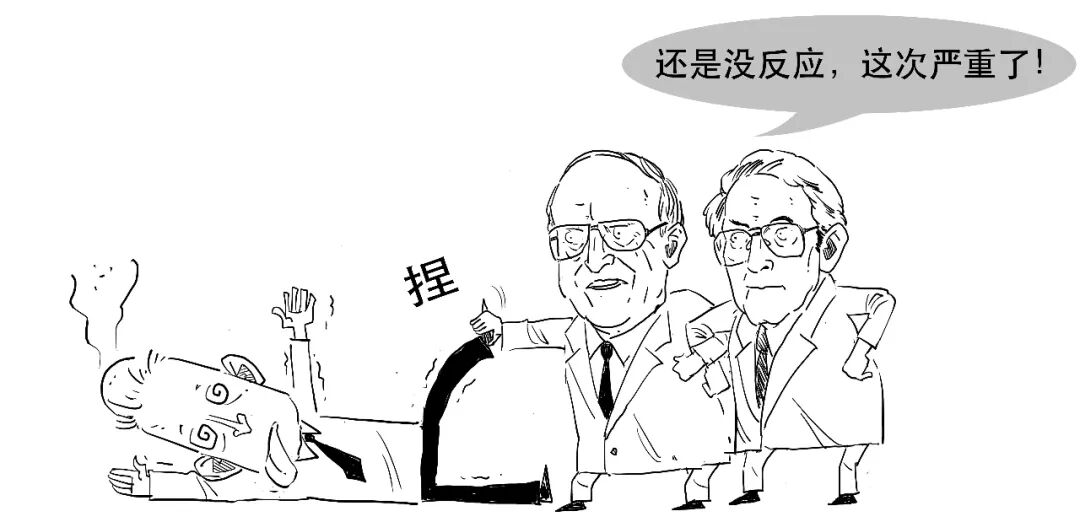
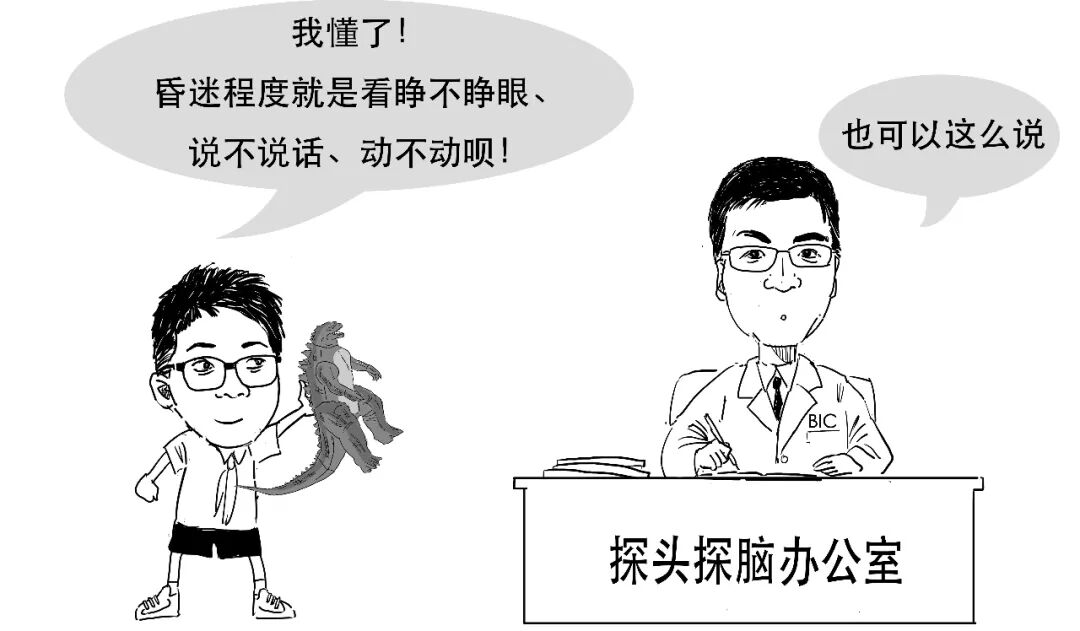
GCS scores eye opening, verbal response and movement, from a minimum of three to a maximum of 15.
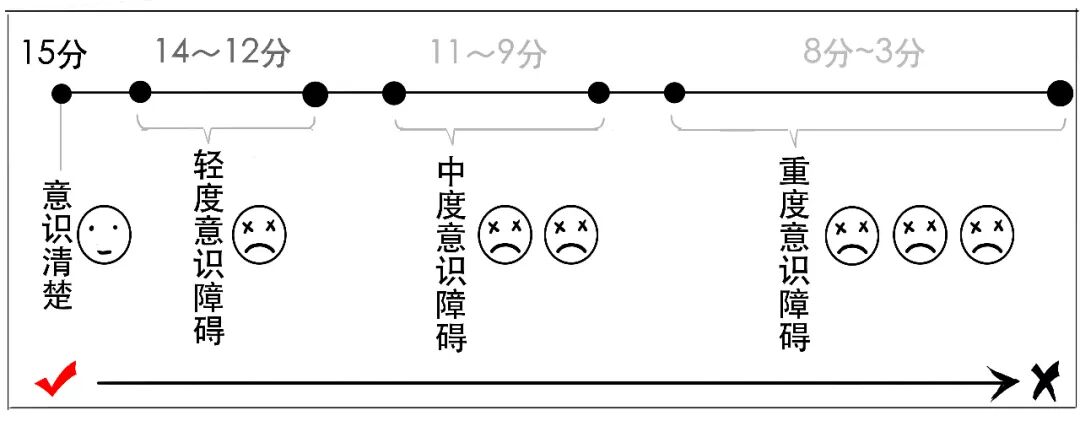
A higher score indicates better consciousness, with 15 described here as alertness; a lower score indicates more severe impairment.
The source simplifies severity into three groups. First, 12–14 points: mild injury, with relatively good responses and possible cooperation with requested actions.
Second, 9–11 points: moderate injury.
Responses of the eyes, speech and movement are more impaired.
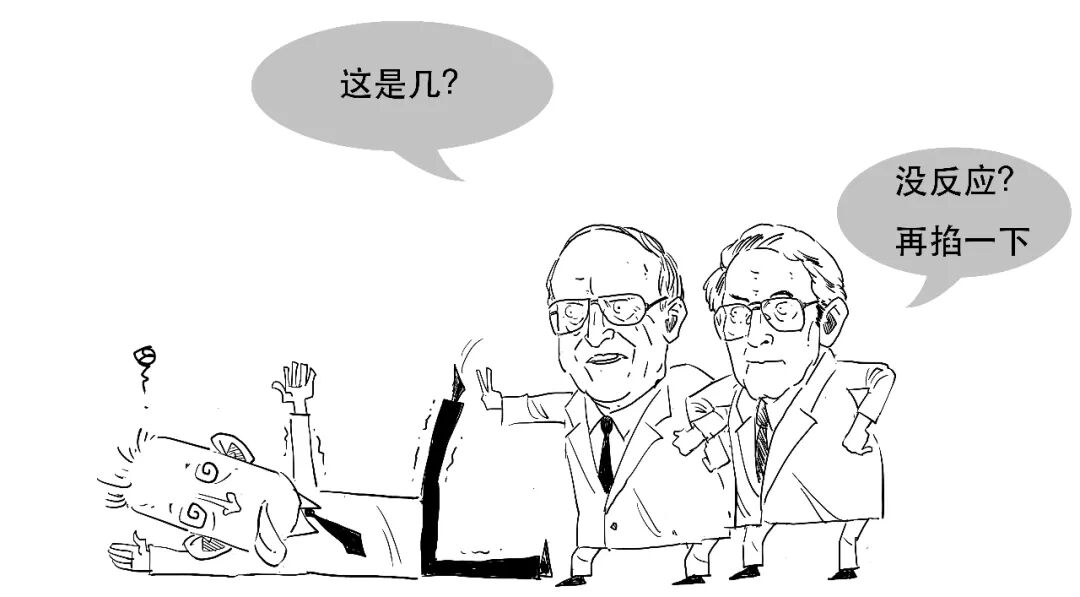
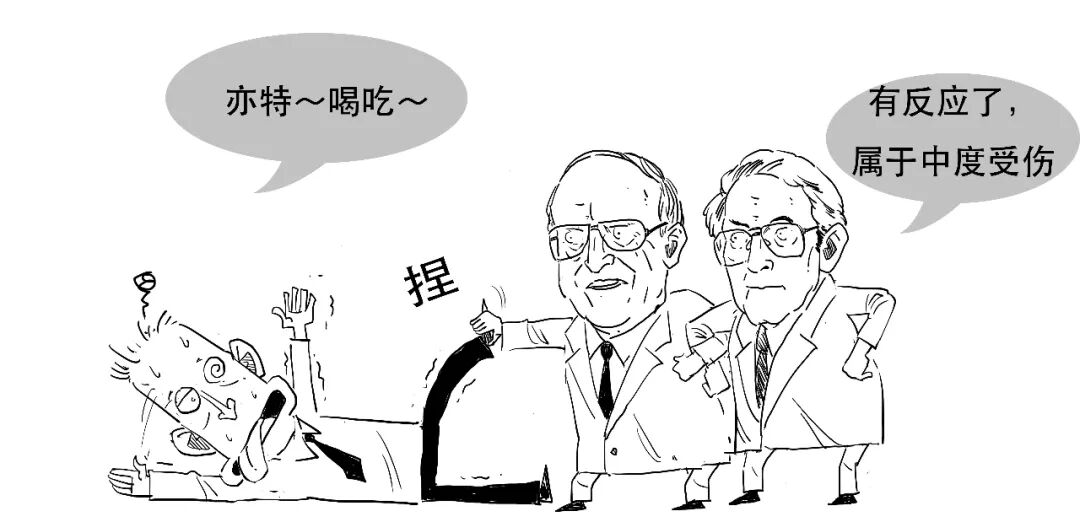
Third, 3–8 points: severe injury.
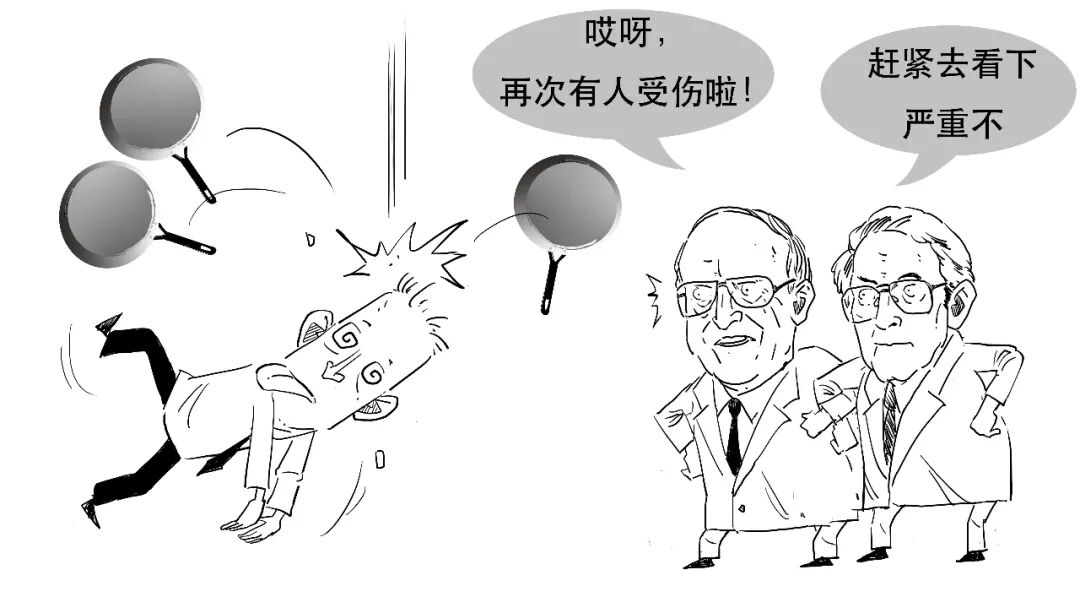
The patient may have closed eyes, be unable to speak and sometimes fail to respond even to strong painful stimulation.
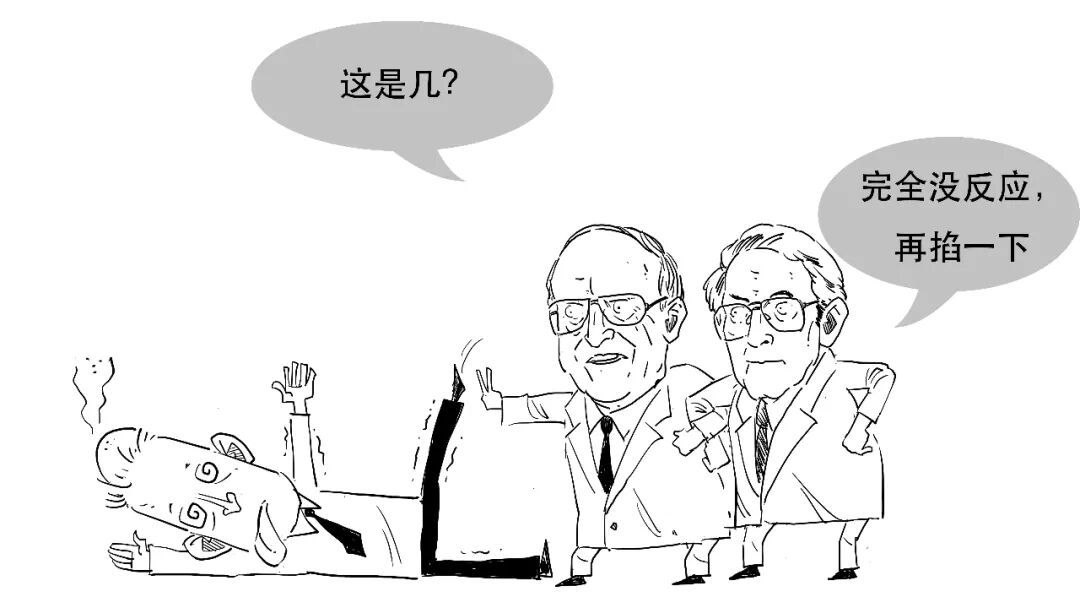
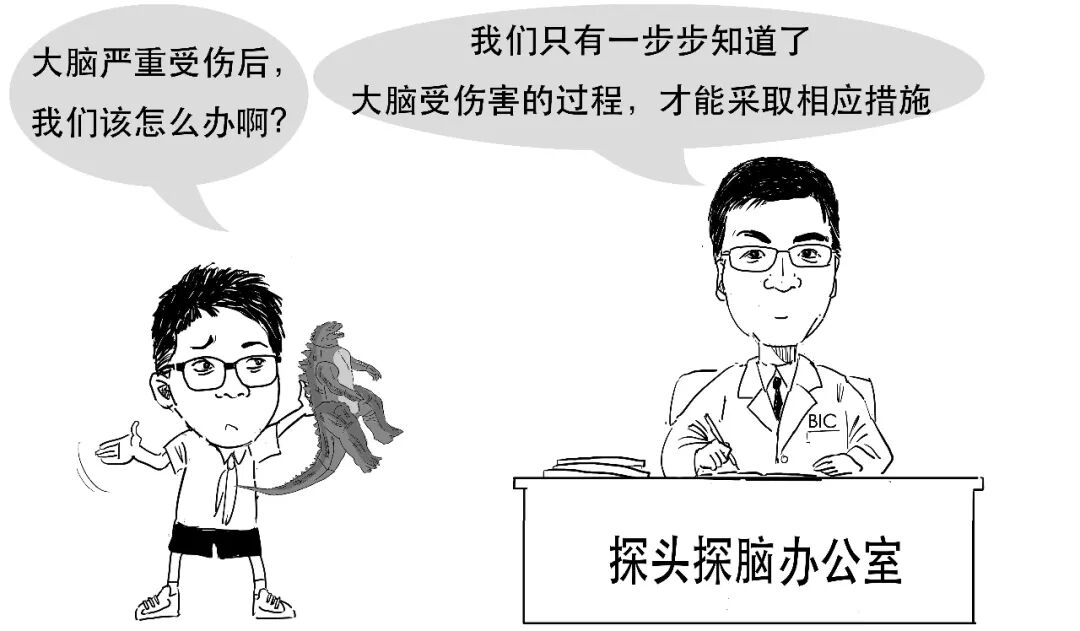
Let us consider how brain injury develops step by step.
First: trauma may fracture the skull and rupture vessels, producing substantial bleeding.
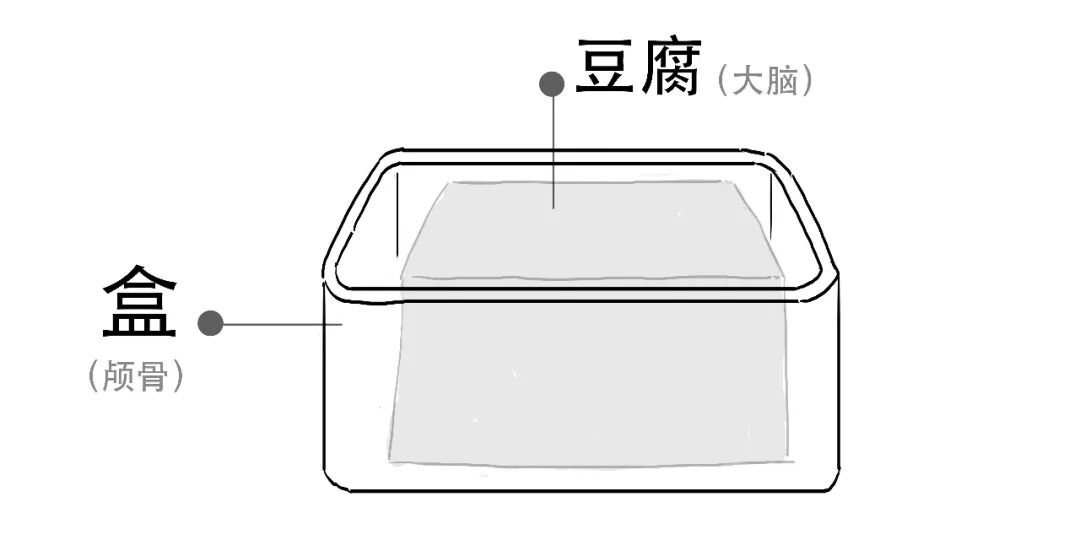
The brain is fragile, like tofu inside the skull’s rigid box.
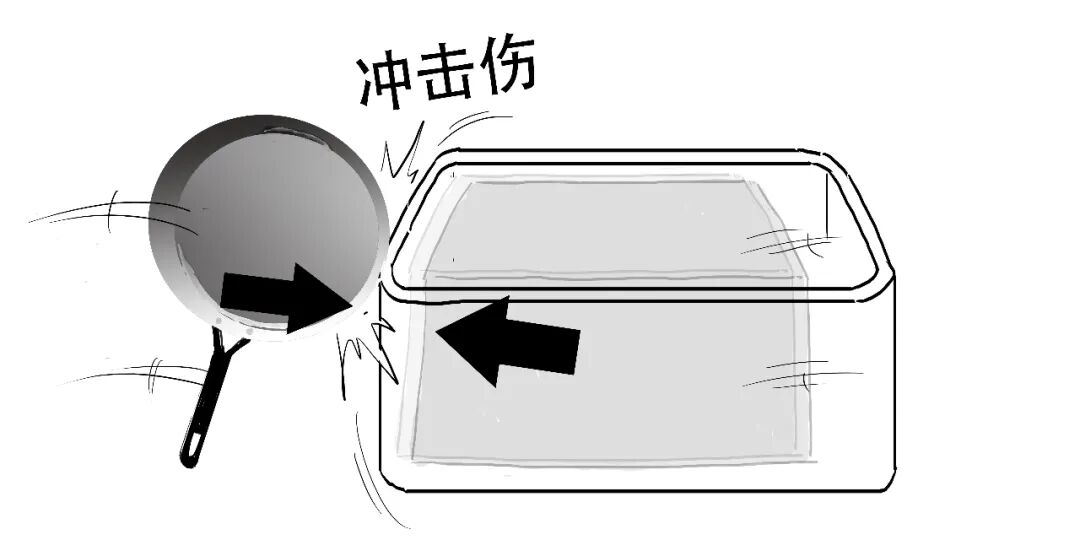
A blow to one side injures the soft tissue through impact.
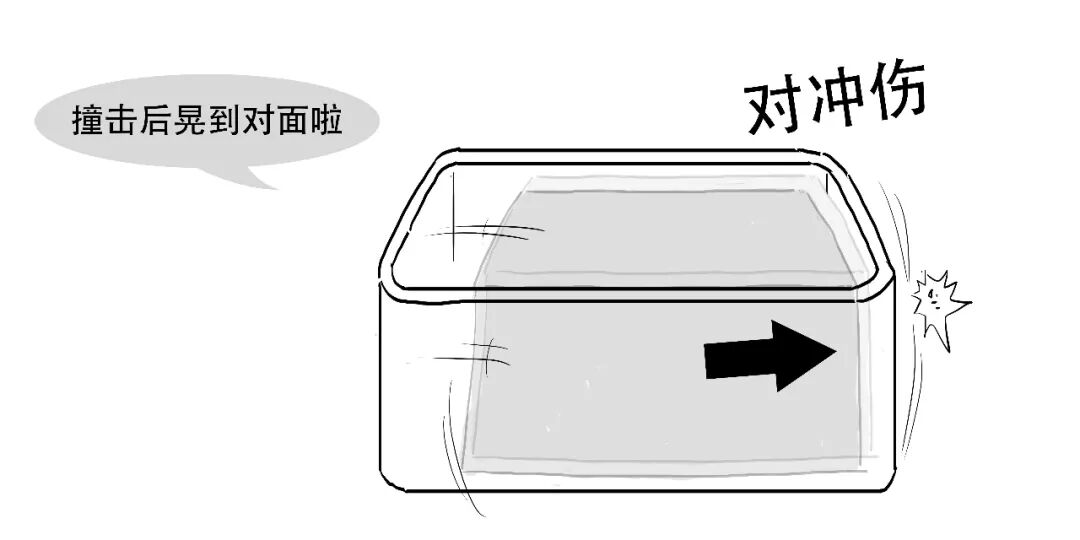
Movement of the box and oscillation of its contents can injure the opposite side: contrecoup injury.
Second: the resulting haematoma occupies space normally available to brain tissue and causes symptoms such as headache.
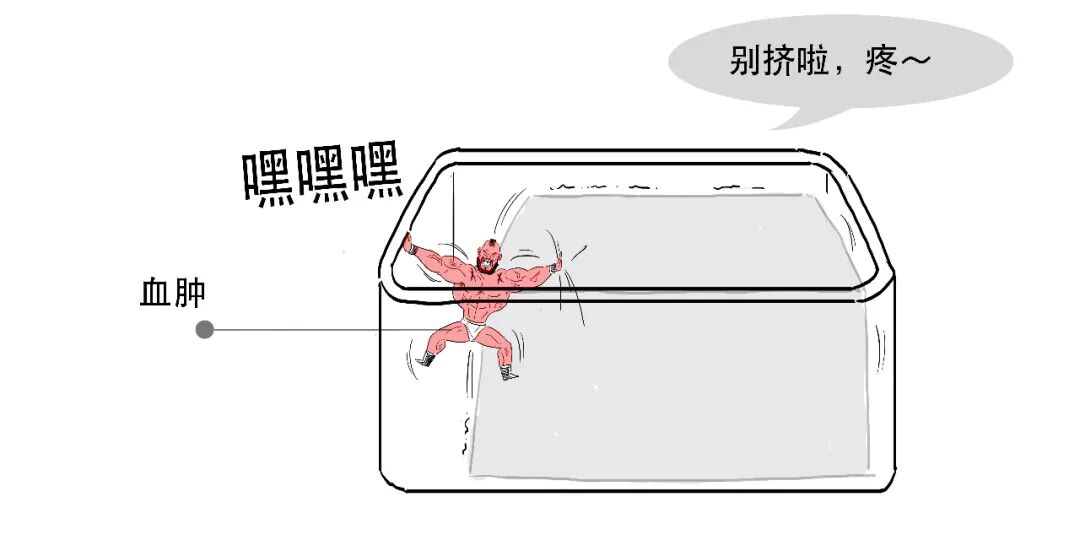
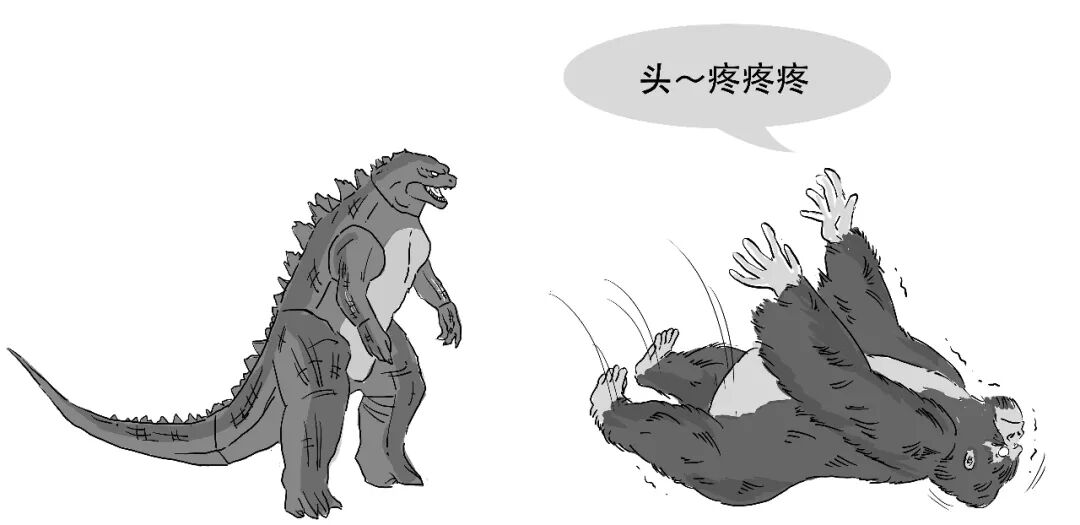
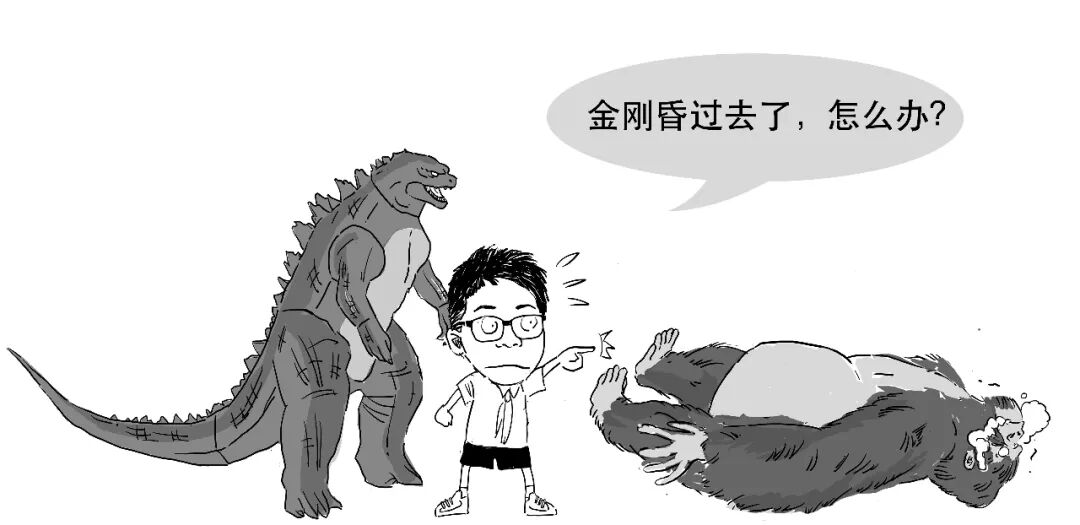
More severe bleeding can compress vital centres such as the brainstem, causing unconsciousness or death.
Third: the next difficulty is oedema. Damaged tissue and vessels may produce extensive swelling in and around the injury over subsequent days.
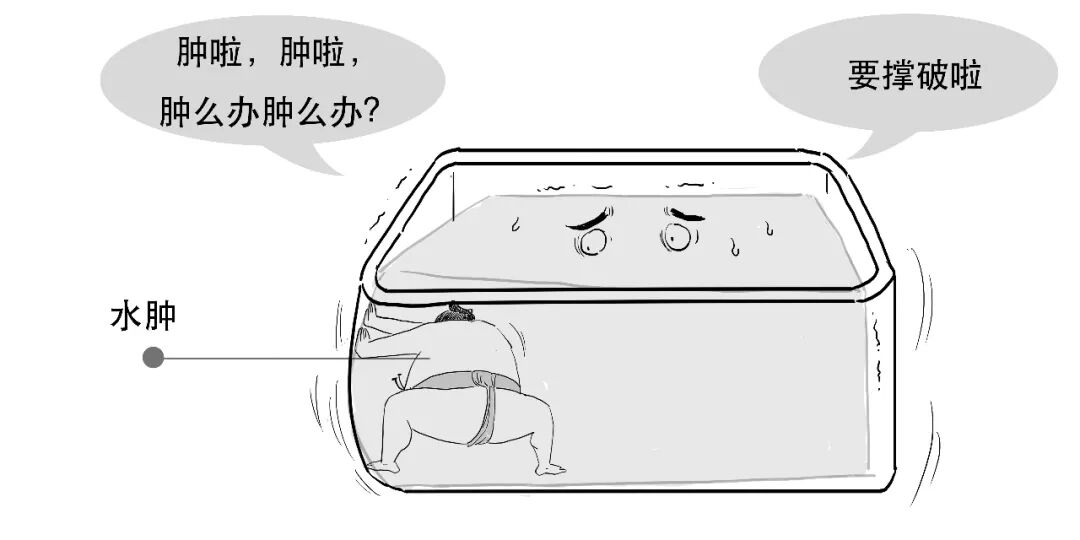
Within the closed skull, bleeding and oedema compete for space in a worsening cycle. Pressure rises and vital centres are increasingly compressed, threatening life.
The most direct approach described here is opening the skull to release pressure, sometimes removing a large bone flap to accommodate postoperative intracranial hypertension.
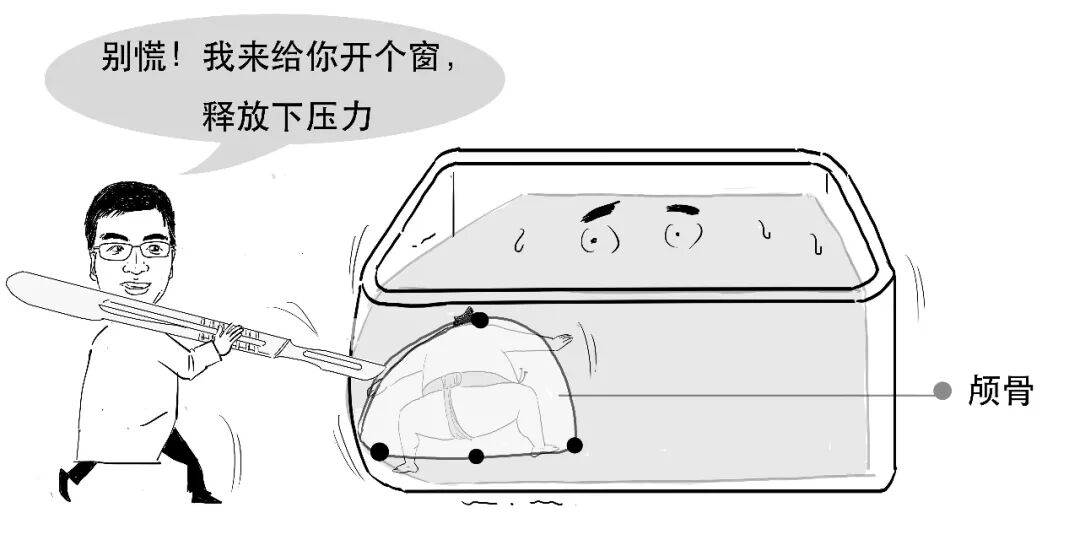
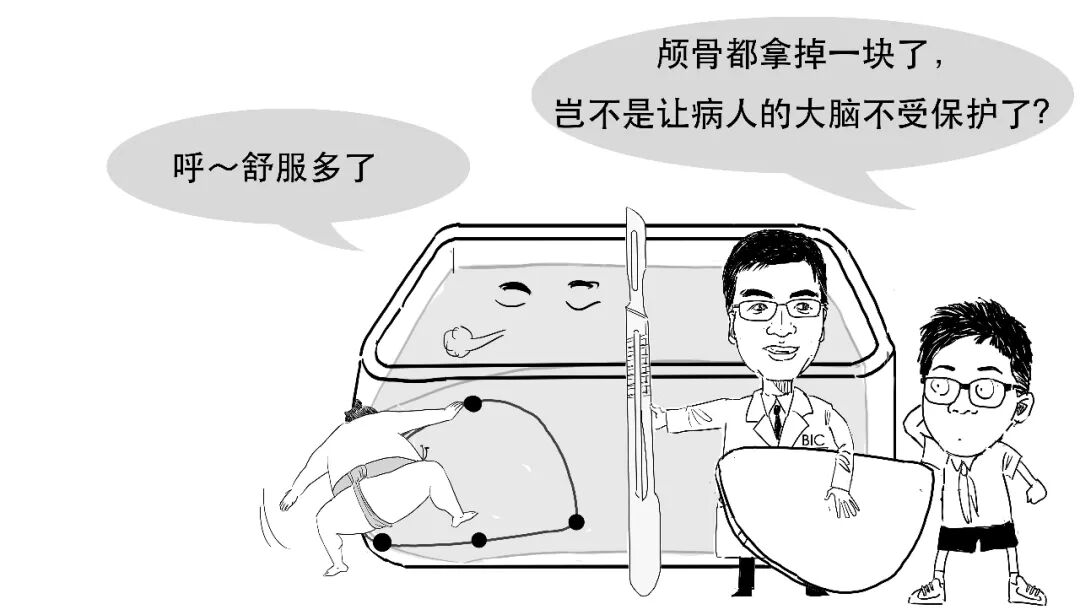
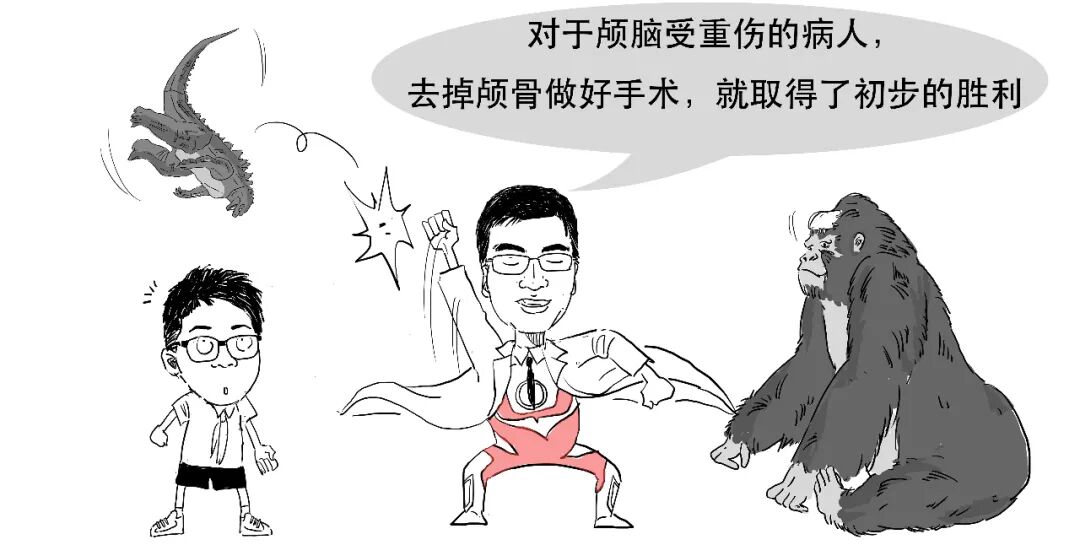
The skull is protective, but its rigidity becomes a constraint after trauma; removal can therefore be needed. Soft structures, including scalp and meninges, continue to cover and protect the brain.
How is the operation performed? Are the meninges simply a thin sheet? Do you have many more questions? We will explore them in future instalments.
Thanks to the professional advisers for this article.
Disclaimer
This is a serial neurosurgery education comic. We strive for accuracy and reliability, but it is not medical consultation advice and must not be used as a diagnostic standard. For related conditions, seek care at a qualified hospital.
在现代社会,
我们经常会听到有人说——
没错!脑子确实会生病。
为此,
我们有幸邀请到仁济医院冯军峰医生,带大家一起“探”头“探”脑。
我们将通过连载的形式,让大家搞明白脑子以及脑子生病的那些事。
头破血流的脑外伤
不是哥斯拉,是——
格拉斯哥~昏迷评分法
(简称GCS评分)
这是一种测评昏迷程度的方法,由Graham Teasdale与Bryan J. Jennett在1974年发明的。
由于这两位发明者是英国格拉斯哥大学的神经外科教授,因此该种方法被命名为格拉斯哥昏迷评分法。
简而言之,格拉斯哥昏迷评分是通过对患者睁眼反应、语言反应、肢体运动3个方面来打分,最低分为3分,最高分为15分。
分数越高,意识状态越好,15分表示意识清楚;
反之则昏迷情况越严重。
患者得分高低可以简单分成三个级别:
一、 12-14分,轻度受伤
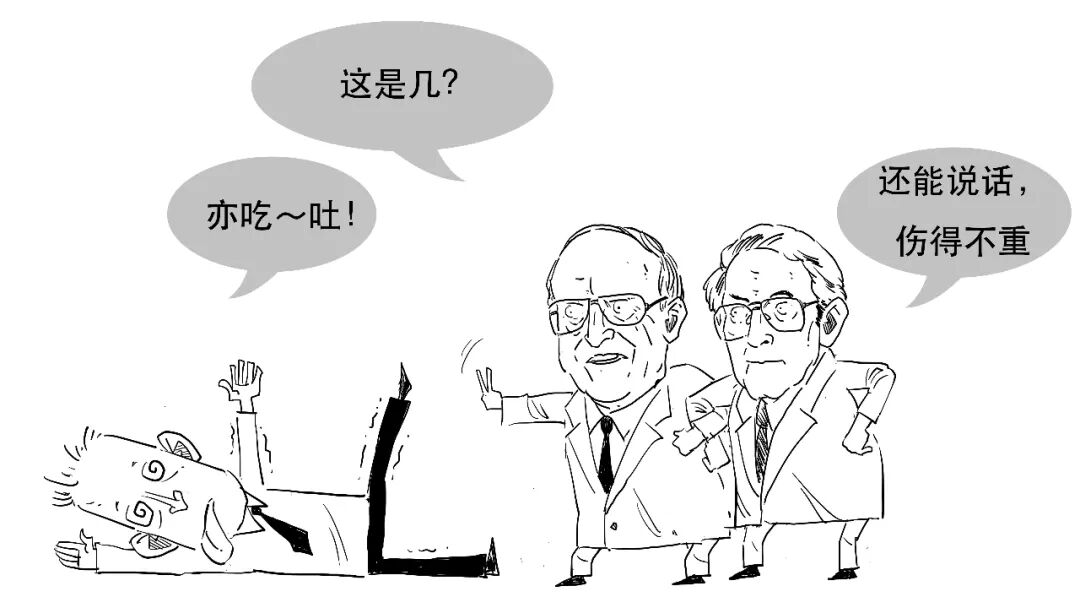
这时候,病人伤得不重,反应情况还好,病人有可能配合完成一些动作。
二、 9-11分,中度受伤
这时候,
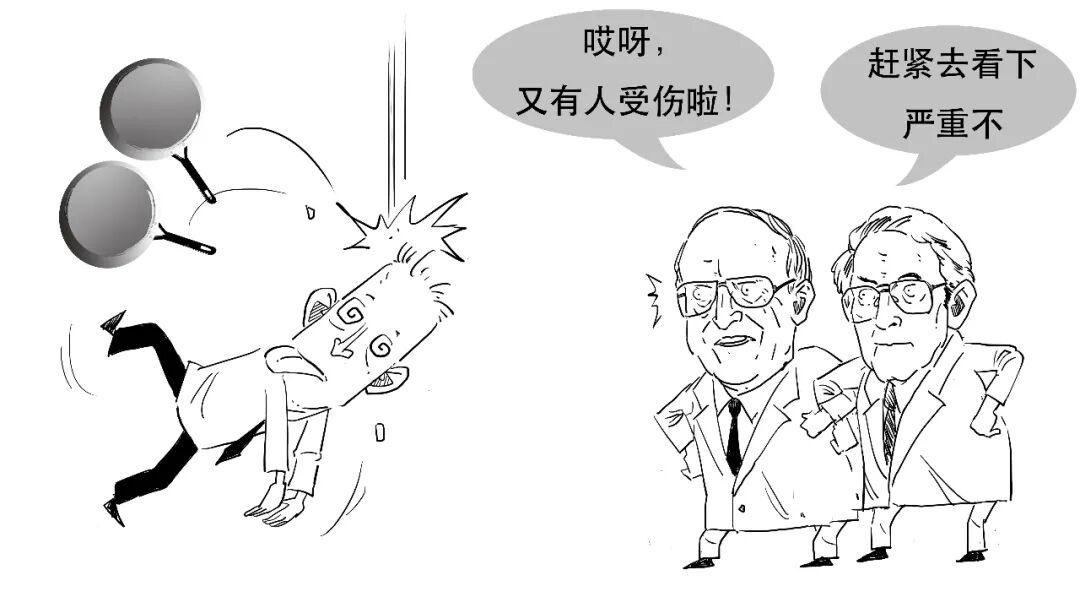
病人伤得比较重,眼睛的反应、说话、还有活动情况就会差很多。
三、 3-8分,重度受伤
这时候,病人伤得更重,可能会闭着眼睛不能说话,有时候很强的疼痛刺激也没有反应。
我们不妨来举个例子,
看看大脑是如何一步步受伤的:
第一步:
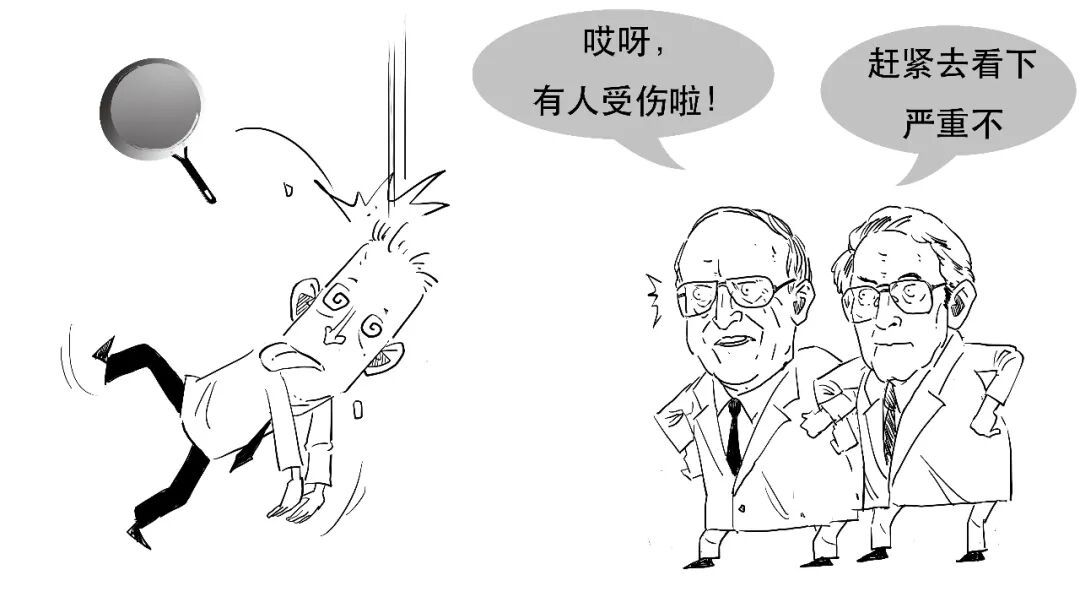
大脑受到外伤,导致的颅骨骨折、脑血管破裂会引起大量出血。
大脑其实很脆弱,
我们可以把大脑比作一块放在颅骨“盒子”里的“豆腐”,
当盒子的一侧遭到外力打击,会对豆腐造成冲击伤;
冲击力引起的盒子移动、还有豆腐的振荡,就会导致对侧脑组织损伤,也就是所谓的“对冲伤”。
第二步:
出血形成的血肿会挤压原本脑组织所占据的空间,引起头痛等症状。
更严重的出血,会压迫脑干等生命中枢,就会引起患者昏迷乃至死亡。
第三步:
下一波的难关就是脑组织的水肿。
由于受伤后脑组织和脑血管受损伤,损伤区域以及周边脑组织可能会在接下来几天内出现大面积水肿。
如此一来,本身密闭的颅骨空间内,出血、水肿互相挤压占据着空间,如此不断恶性循环,使得颅内的压力越来越高,对于生命中枢的压迫越来越严重,患者的生命就岌岌可危了。
目前最直接的办法就是打开病人的颅骨来释放压力,并且有时候拿掉一大块颅骨来应对手术后的颅内高压。
颅骨确实是重要的保护层,但这种硬性结构在颅脑外伤后是不利的,所以必须要先去掉颅骨。
而且去除了颅骨,我们还有头皮、脑膜这些软性结构可以保护脑组织。
具体该如何手术呢?
脑膜就是一层薄薄的膜吗?
是不是还有一大堆关于大脑的问题想知道?
别急,
我们在后续连载中慢慢聊呗。
感谢本文专业顾问
免责声明
本文为神经外科科普连载漫画,我们力求相关信息准确可靠,但不将此科普内容作为求医问诊的建议,读者也不应以此漫画作为神经外科疾病判断的标准。如有相关疾病,请至正规医院就诊。