A global meta-analysis examines mortality after TBI in older adults
In July 2024, Professor Junfeng Feng’s team at the Renji Head Trauma Centre, Shanghai Jiao Tong University School of Medicine, published “Traumatic brain injury in elderly population: A global systematic review and meta-analysis of in-hospital mortality and risk factors among 2.22 million individuals” in Ageing Research Reviews (Chinese Academy of Sciences medical category 1; impact factor 12.5), systematically analysing mortality and risk factors worldwide.
TBI in older adults places substantial burdens on health systems. Older people are more susceptible than younger people. In the US in 2017, people aged 65 or above represented 15.2% of the population but 43.9% of TBI hospitalisations and 38.4% of TBI deaths. Ageing is particularly challenging in high-income countries and increasingly a global concern. UN data counted 703 million adults aged 65 or above in 2019, projected to reach 1.5 billion, or 16% of the population, by 2050. These changes increase annual hospitalisations and deaths. Falls and other injuries are rising, care is difficult, and dedicated international guidelines are lacking. Guided by Jiyao Jiang, Feng’s team undertook a comprehensive systematic review of this clinical problem.
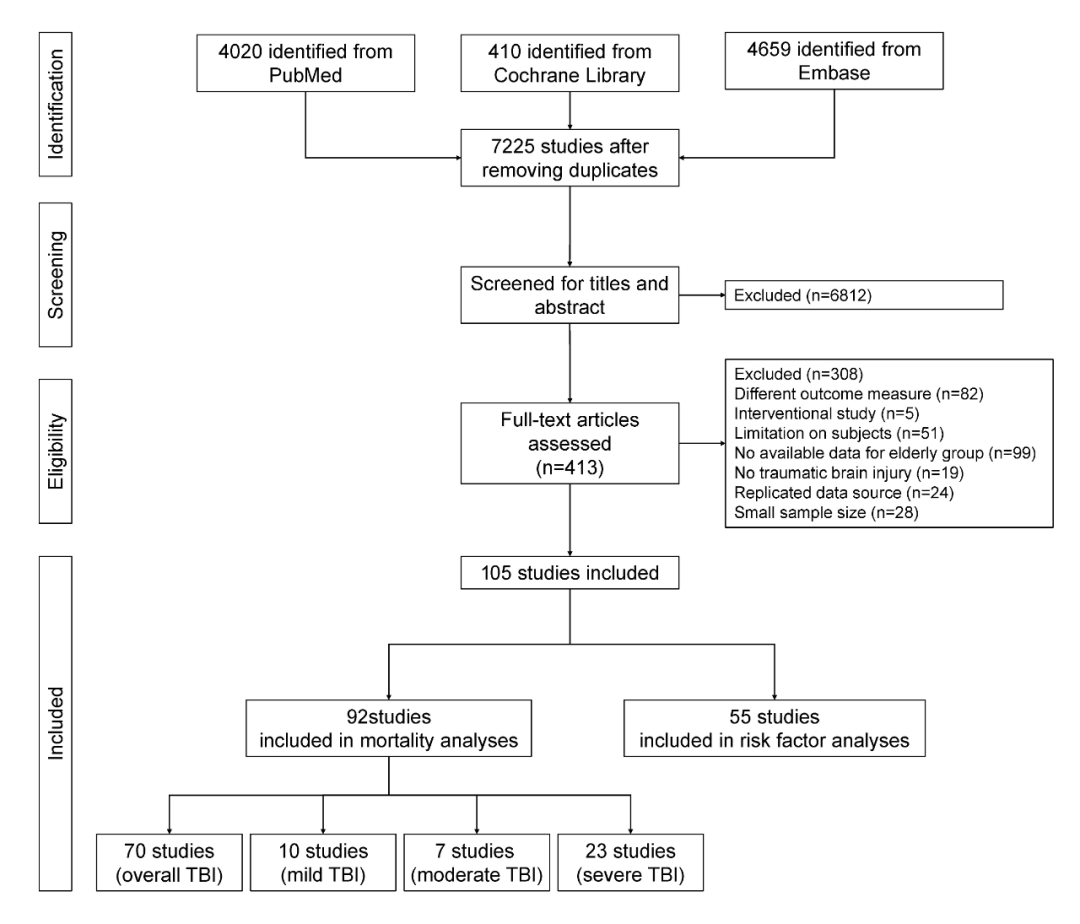
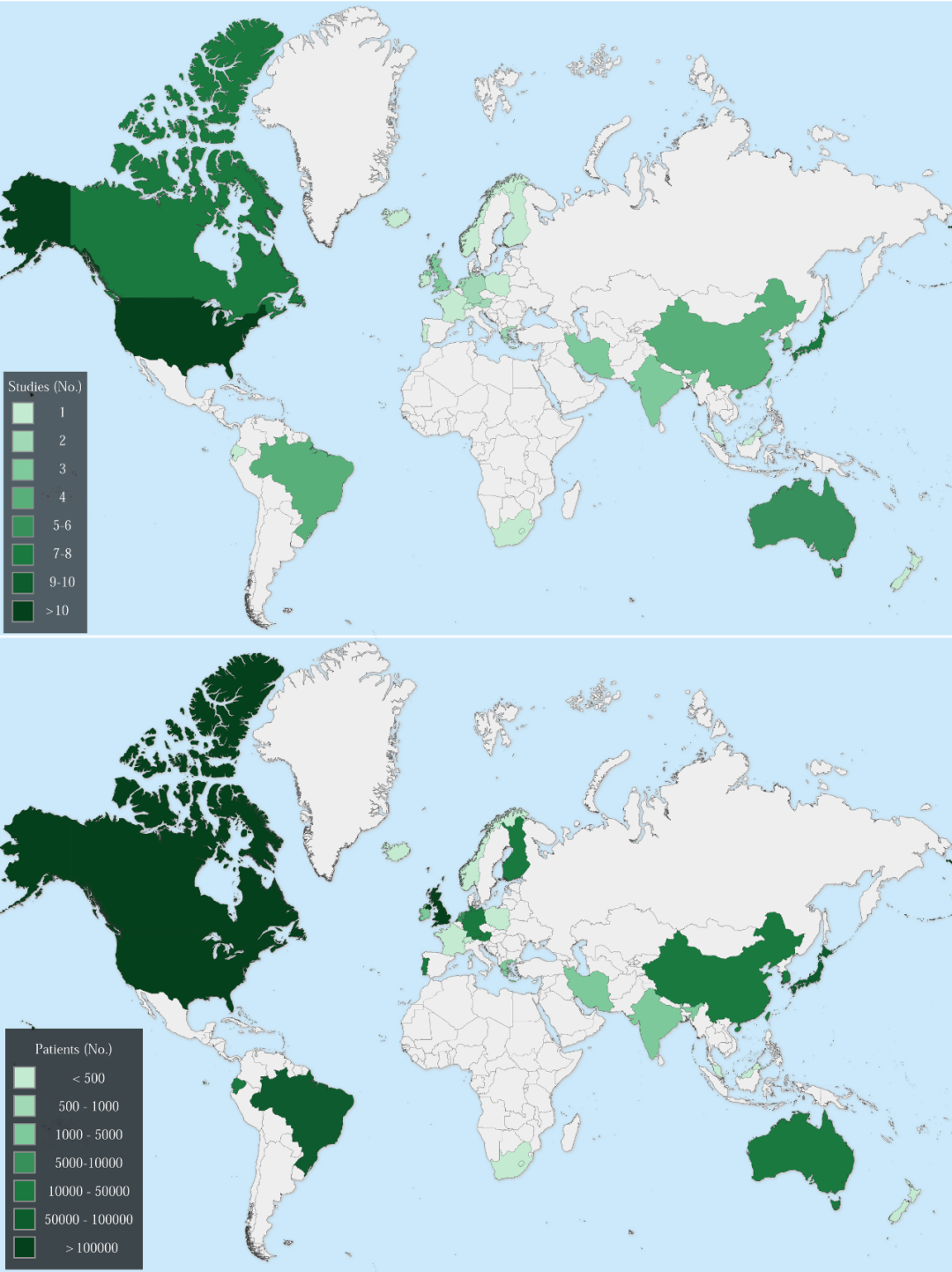
PubMed, Cochrane Library and Embase were comprehensively searched up to 1 February 2024. After deduplication, 7,225 studies were identified. Full-text assessment yielded 105 eligible studies covering 2,217,964 patients from 30 countries and regions across six continents.
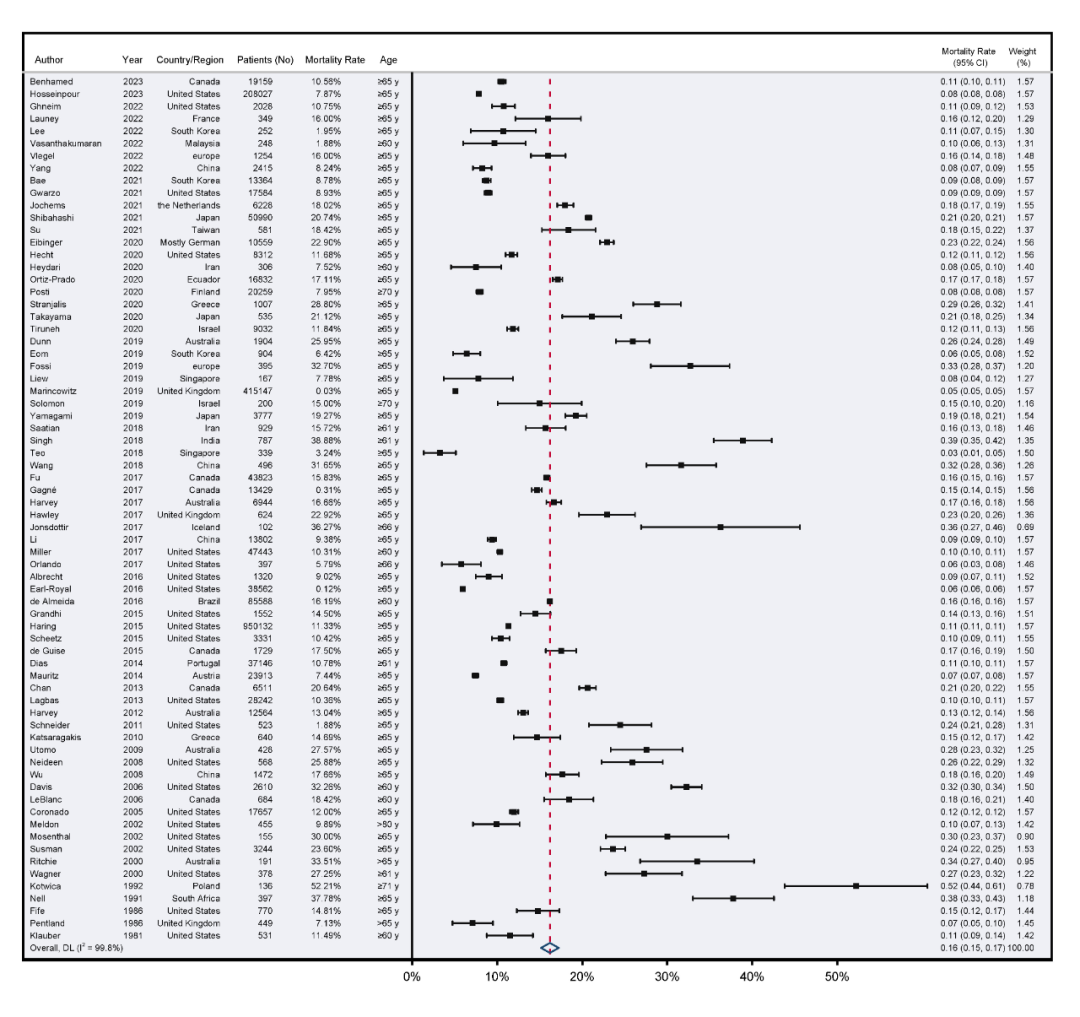
Overall in-hospital mortality
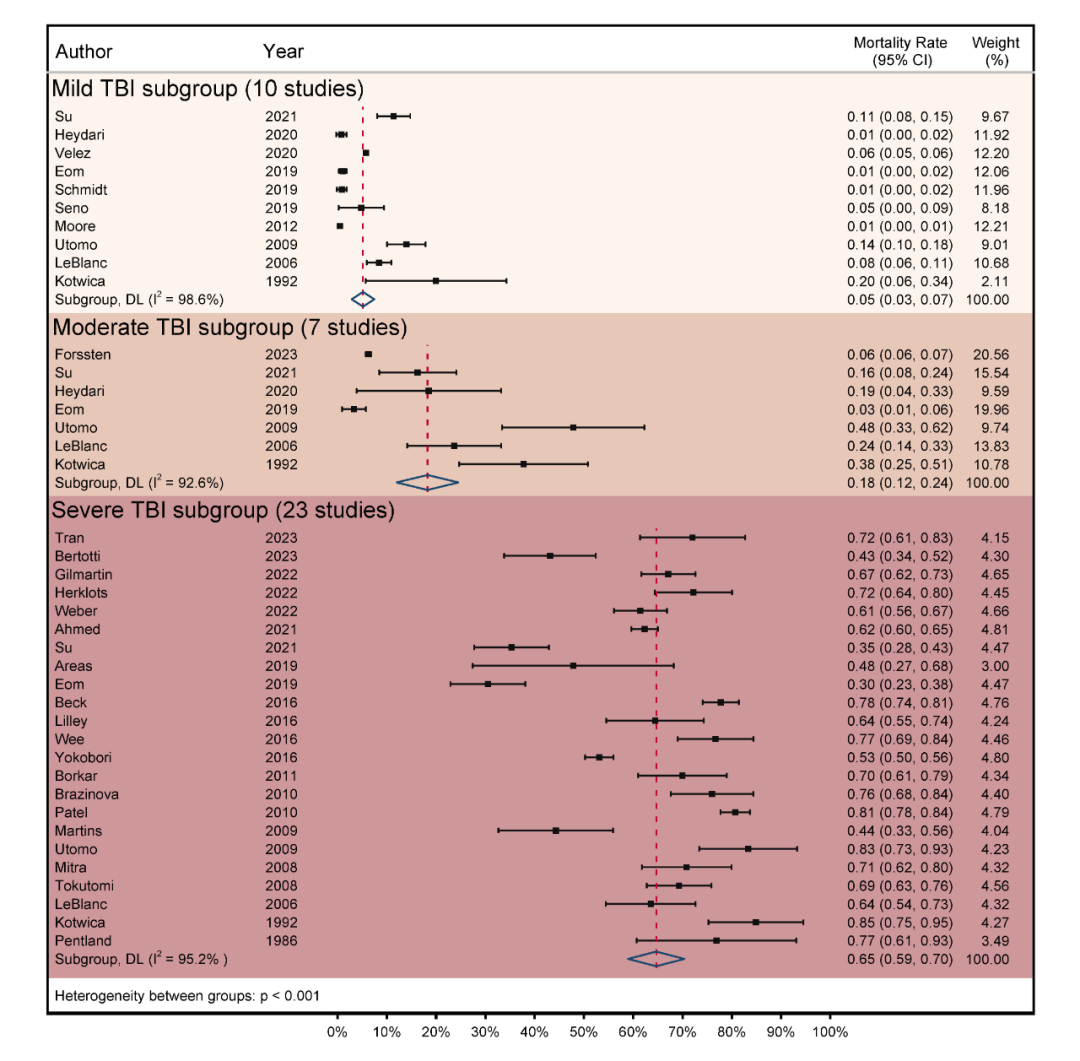
Among 92 studies, 70 reported mortality without restricting GCS. Most were from North America (40%), Asia (27%) and Europe (21%). Overall mortality was 16% (95% CI 15–17%). Six of these 70 studies reported both overall and mild, moderate and severe GCS-defined mortality. Combined with 22 studies limited to a particular severity, subgroup mortality was 5% (95% CI 3–7%; ten studies) for mild TBI, 18% (95% CI 12–24%; seven studies) for moderate TBI and 65% (95% CI 59–70%; 23 studies) for severe TBI. Differences between severity subgroups were significant (P<0.001).
Regional differences and trends over time
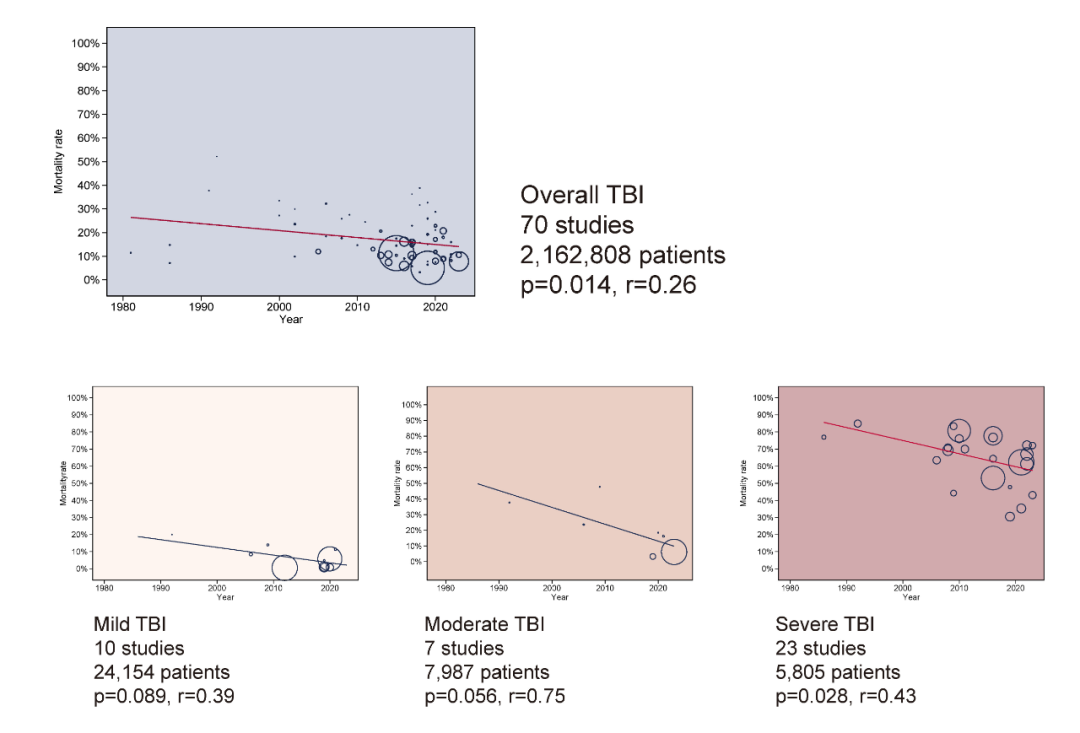
Figure 3 shows significant declines over time in overall mortality (P=0.014) and severe TBI mortality (P=0.028), but no significant change in mild (P=0.089) or moderate TBI (P=0.056). By continent, mortality was 14% in North America (95% CI 13–16%), 18% in Europe (16–21%), 15% in Asia (12–18%), 17% in South America (16–18%), 23% in Oceania (18–27%) and 38% in Africa (33–43%). Overall mortality did not differ significantly between North America, Europe and Asia (P=0.37). Differences became significant across all six continents (P<0.001), potentially reflecting smaller samples in South America, Oceania and Africa.
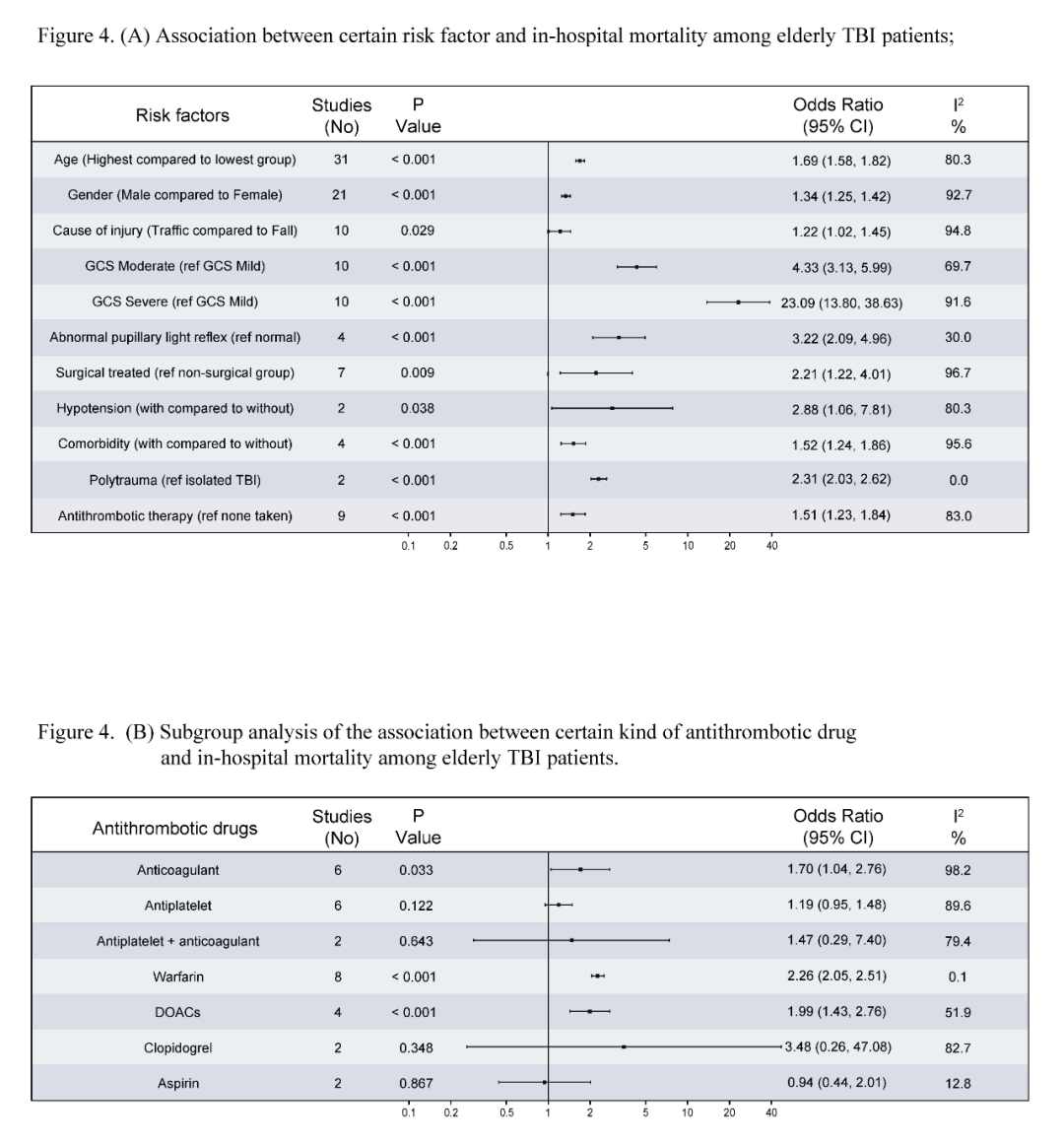
Figure 4. (A) Associations of risk factors with mortality in older TBI patients; (B) subgroup associations of antithrombotic medicines with mortality. All pooled comparisons use patients without antithrombotic treatment as the reference. DOAC: direct oral anticoagulant.
Risk factors predicting in-hospital mortality
The reported odds ratios (ORs) were:
Oldest versus youngest age group: 1.69 (1.58–1.82, P<0.001).
Male versus female: 1.34 (1.25–1.42, P<0.001).
Road traffic injury versus falls: 1.22 (1.02–1.45, P=0.029).
Moderate versus mild TBI: 4.33 (3.13–5.99, P<0.001).
Severe versus mild TBI: 23.09 (13.80–38.63, P<0.001).
Abnormal pupillary light response: 3.22 (2.09–4.96, P<0.001).
Surgical intervention: 2.21 (1.22–4.01, P=0.009).
Post-injury hypotension: 2.88 (1.06–7.81, P=0.038).
Pre-existing disease: 1.52 (1.24–1.86, P<0.001).
Multiple injuries: 2.31 (2.03–2.62, P<0.001).
Pre-injury antithrombotic treatment: 1.51 (1.23–1.84, P<0.001).
Antithrombotic subgroup analyses gave:
Anticoagulation: 1.70 (1.04–2.76, P=0.033).
Antiplatelet treatment: 1.19 (0.95–1.48, P=0.122).
Combined anticoagulation and antiplatelet treatment: 1.47 (0.29–7.40, P=0.643).
Warfarin: 2.26 (2.05–2.51, P<0.001).
DOACs: 1.99 (1.43–2.76, P<0.001).
Clopidogrel: 3.48 (0.26–47.08, P=0.348).
Aspirin: 0.94 (0.44–2.01, P=0.867).
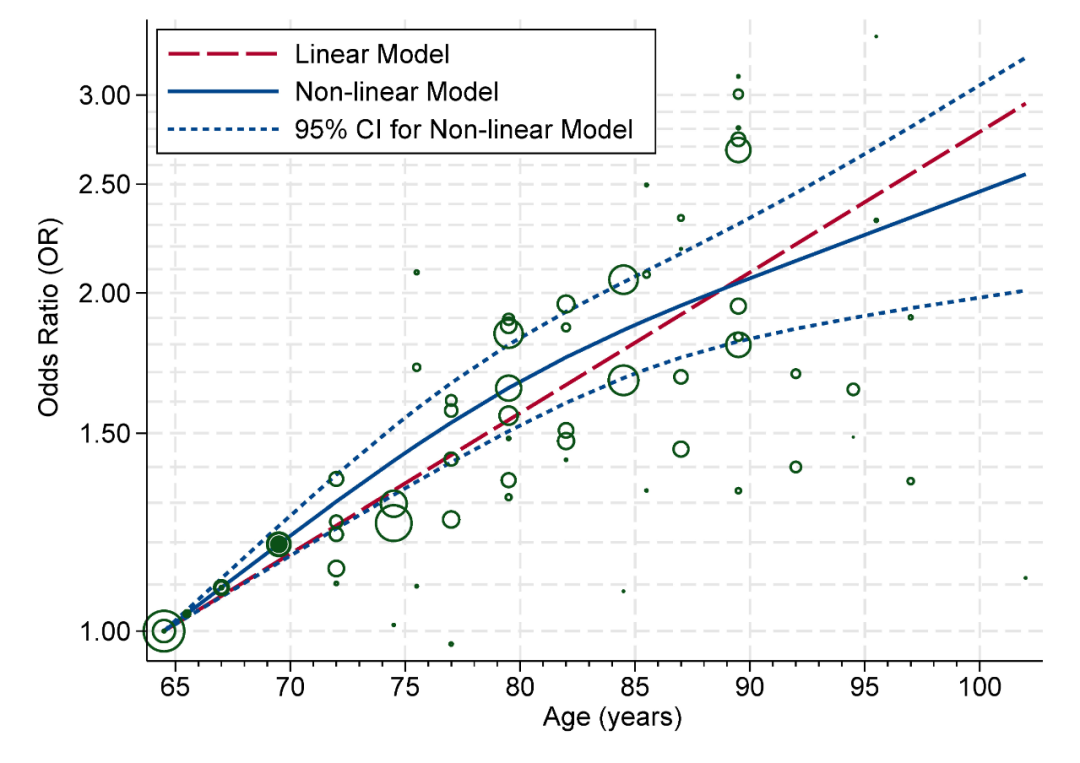
Figure 5. Dose-response meta-analysis of age and mortality risk in older TBI patients. Circles indicate adjusted ORs from individual studies; their size is proportional to sample size.
The dose-response analysis included 20 studies with at least three age groups and 354,717 patients. Age and OR had a non-linear relationship (P=0.038). For each additional year, the mean pooled mortality OR was 1.029 (95% CI 1.024–1.034, P<0.001).
Based on 2.22 million older TBI patients, the review analyses overall mortality, geographic and temporal variation, severity subgroups and the age dose-response relationship. It particularly examines pre-injury antithrombotic treatment as a risk factor. The results may raise awareness, inform clinical work and prognostic models, and support future guidelines for older patients.
Corresponding authors are Junfeng Feng, Director of the Renji Head Trauma Centre, and statistician Li Xie of the Clinical Research Centre, Shanghai Jiao Tong University School of Medicine. Co-first authors are Renji doctoral students Zixuan Ma, Zhenghui He and Zhifan Li, resident Ru Gong and attending physician Jiyuan Hui.
Paper links: https://doi.org/10.1016/j.arr.2024.102376 and https://authors.elsevier.com/a/1jOc05aZoHk0AQ
Corresponding authors
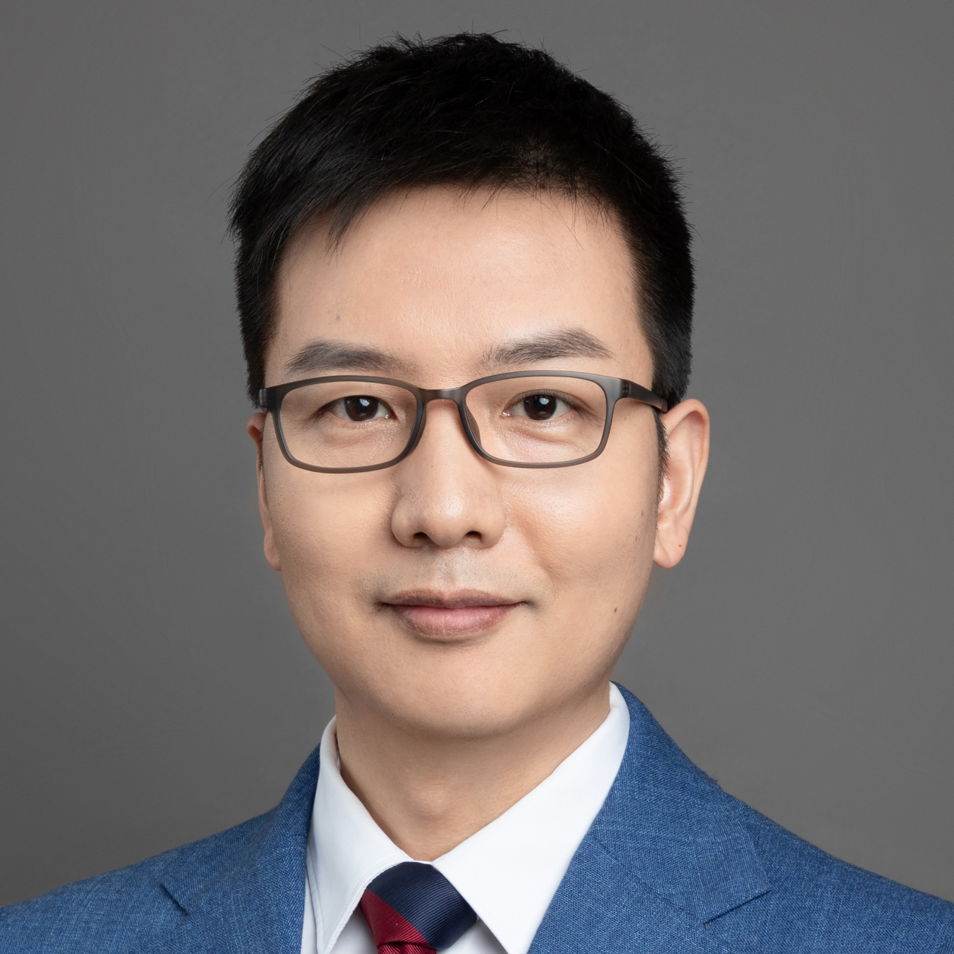
Junfeng Feng — Chief Physician
Renji Hospital, Shanghai Jiao Tong University School of Medicine
Chief physician, research professor and doctoral supervisor; Director of the Renji Head Trauma Centre and Deputy Director of Neurosurgery; Deputy Director of the Shanghai Institute of Head Trauma; member of a working group of the Chinese Medical Association’s Trauma Society; deputy head of the trauma working group of the Shanghai Medical Association’s Neurosurgery Society; committee member and secretary of the Shanghai Medical Doctor Association’s Neurosurgery Division.
His honours include the Wang Zhongcheng Chinese Young Neurosurgeon Award, the Innovation Award of the Wang Zhengguo Trauma Medicine Award, the Shanghai Silver Snake Award, Shanghai Outstanding Academic Leader (Young) and Shanghai Outstanding Young Medical Talent.
He focuses on clinical surgery and comprehensive treatment for TBI and neurocritical illness, and studies brain protection and neural repair and regeneration. He has received five National Natural Science Foundation grants, holds 20 granted patents and has published over 30 SCI-indexed papers.
Professor Junfeng Feng
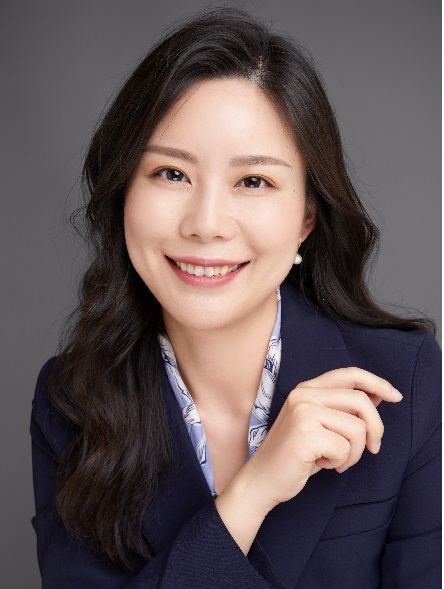
Li Xie — PhD / Statistician, Clinical Research Centre, Shanghai Jiao Tong University School of Medicine
Clinical Research Centre, Shanghai Jiao Tong University School of Medicine; member of the Tumour Epidemiology Committee of the Chinese Anti-Cancer Association, the statistical group of the Chinese Society of Clinical Oncology Young Experts Committee, and the Clinical Research Division of the China Medicinal Biotech Association. Deputy Editor of Cancer Treatment and Research Communications; editorial board member of Translational Oncology. Selected for Shanghai’s Medical Rising Star Young Talent programme and recipient of the Kowloon Outstanding Medical Talent Award of Shanghai Jiao Tong University School of Medicine.
Her interests are clinical research methodology and clinical-trial statistics. She has participated as a statistician in dozens of trials, providing statistical support to investigator-initiated research. She has led NSFC projects, key Shanghai science and technology projects and municipal health commission projects. First-author clinical papers appeared in Lancet Oncology (2017 and 2021), JCO (2020), Annals of Oncology (2022) and Intensive Care Medicine (2023). She has published over 20 SCI-indexed papers as first or corresponding author, with combined journal impact factors of 315.6.
First author
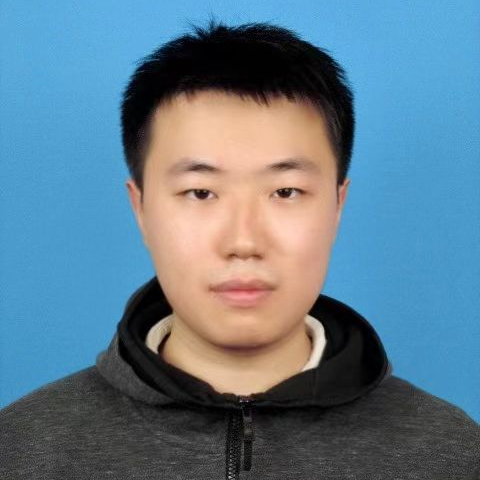
Zixuan Ma — Doctoral Student, Renji Hospital, Shanghai Jiao Tong University School of Medicine
Eight-year programme doctoral student at the Renji Head Trauma Centre; research area: molecular mechanisms after TBI.
Copyright notice: Intellectual property in content published by BrainMed’s Neurosurgery News, Neurointerventional News, Brain Medical Consultation and AiBrain belongs to BrainMed, the organisers, original authors and other rights holders. Republishing, excerpting, copying, cropping or recording without permission is prohibited. Authorised use must acknowledge the source. Forwarding and sharing are welcomed.
2024年7月,上海交通大学医学院附属仁济医院颅脑创伤中心冯军峰教授团队在《Ageing Research Reviews》(中科院分区医学1区,IF:12.5)期刊上发表了题为“Traumatic brain injury in elderly population: A global systematic review and meta-analysis of in-hospital mortality and risk factors among 2.22 million individuals”的综述论文,系统分析了全球老年人群颅脑创伤院内死亡率和危险因素。
老年人群中的颅脑创伤(Traumatic Brain Injury,TBI)对全球健康系统造成了显著负担。老年人比年轻人更容易患上TBI。2017年,美国65岁及以上的个体占总人口的15.2%,但他们占所有与TBI相关的住院病例的43.9%和所有与TBI相关的死亡病例的38.4%。人口老龄化的挑战在高收入国家尤其严重,并迅速成为全球关注的问题。联合国统计数据显示,2019年,65岁及以上的成年人数量达到7.03亿,预计到2050年将增加到15亿,占全球人口的16%。这一人口结构的变化造成每年因TBI住院和死亡的老年患者的增加。全球老龄化在加重,老年人因跌倒伤等致颅脑创伤的患者在增多,救治困难,但国际上缺乏专门针对老年颅脑创伤患者的救治指南。在江基尧教授的指导下,冯军峰团队关注到这一临床实际状况,并首先开展了全面系统回顾。
补充图S1. 纳入研究的地理分布
针对老年颅脑创伤在PubMed、Cochrane Library、Embase数据库进行了全面检索(数据截止至2024年2月1日),去重后共检索到7225项研究,经过全文评估后,105项研究符合纳入标准,覆盖了来自30个国家/地区和6大洲的2,217,964名患者,进行了系统分析。
老年TBI患者的总体院内死亡率
在92项研究中,有70项研究报告了不受GCS评分限制的老年TBI患者的院内死亡率。大多数研究在北美(40%)、亚洲(27%)和欧洲(21%)进行。老年TBI患者的总体院内死亡率为16%(95% CI, 15%-17%)。在这70项研究中,有6项研究同时报告了老年TBI患者的总体院内死亡率和按GCS评分分为轻度、中度和重度TBI的亚组死亡率。我们结合22项仅报告一种特定严重程度TBI的研究,根据伤情严重程度进行了亚组分析,显示轻度、中度和重度TBI的院内死亡率分别为5%(95% CI, 3%-7%)(10项研究)、18%(95% CI, 12%-24%)(7项研究)、65%(95% CI, 59%-70%)(23项研究)。三个严重程度亚组之间有统计学显著差异(P <0.001)。
总体院内死亡率的地区差异和时间趋势
如图3所示,总体院内死亡率(P=0.014)和重度TBI(P=0.028)随年份显著下降,轻度TBI(P=0.089)和中度TBI(P=0.056)无显著变化。在按6大洲分层的地区分析中,北美的死亡率为14%(95% CI, 13%-16%),欧洲为18%(95% CI, 16%-21%),亚洲为15%(95% CI, 12%-18%),南美为17%(95% CI, 16%-18%),大洋洲为23%(95% CI, 18%-27%),非洲为38%(95% CI, 33%-43%)。总体死亡率在北美、欧洲和亚洲这三大洲之间无统计学显著差异(P=0.37)。当考虑所有六大洲的亚组时,差异变得显著(P<0.001),可能是由于南美、大洋洲和非洲样本量不足。
图4. (A)危险因素与老年TBI患者院内死亡率之间的关联;(B)抗血栓药物与老年TBI患者院内死亡率之间关联的亚组分析。所有合并值均与未服用抗血栓药物的患者进行比较。DOAC(直接口服抗凝药)。
预测院内死亡率的风险因素
老年TBI患者院内死亡率的危险因素包括以下:
▷最老年龄组比最年轻年龄组的OR值为1.69(1.58至1.82,P<0.001)
▷男性相比女性的OR值为1.34(1.25至1.42,P<0.001)
▷交通事故相对于跌倒的OR值为1.22(1.02至1.45,P=0.029)
▷中度TBI相对于轻度TBI的OR值为4.33(3.13至5.99,P<0.001)
▷重度TBI相对于轻度TBI的OR值为23.09(13.80至38.63,P<0.001)
▷瞳孔光反射异常患者的OR值为3.22(2.09至4.96,P<0.001)
▷手术干预的OR值为2.21(1.22至4.01,P=0.009)
▷受伤后低血压的OR值为2.88(1.06至7.81,P=0.038)
▷伤前基础疾病的OR值为1.52(1.24至1.86,P<0.001)
▷多发伤的OR值为2.31(2.03至2.62,P<0.001)
▷伤前抗血栓治疗的OR值为1.51(1.23至1.84,P<0.001)
在针对多种抗血栓药物的亚组分析中,结果显示:
▷抗凝治疗的OR值为1.70(1.04至2.76,P=0.033)
▷抗血小板治疗的OR值为1.19(0.95至1.48,P=0.122)
▷抗凝结合抗血小板治疗的OR值为1.47(0.29至7.40,P=0.643)
▷华法林的OR值为2.26(2.05至2.51,P<0.001)
▷直接口服抗凝药(DOACs)的OR值为1.99(1.43至2.76,P<0.001)
▷氯吡格雷的OR值为3.48(0.26至47.08,P=0.348)
▷阿司匹林的OR值为0.94(0.44至2.01,P=0.867)
图5. 年龄与老年TBI患者院内死亡率风险的剂量反应Meta分析。圆圈表示单个研究中的调整后OR值,圆圈大小与样本量成比例。
在图5中,我们基于20项包含至少三个年龄组的研究进行了剂量反应Meta分析,涵盖354,717名患者。年龄与OR值之间的关系是非线性的(P=0.038)。每增加1岁,院内死亡率的合并OR值平均为1.029(95% CI, 1.024至1.034,P<0.001)。
本研究基于222万老年颅脑创伤患者,全面分析了总体院内死亡率及其时空变化特征,按伤情严重程度的亚组死亡率,以及死亡率与年龄的剂量反应Meta分析。尤其是伤前抗血栓治疗的关键风险因素被充分确定。本研究结果有助于提高公众对老年颅脑创伤的重视,为医疗工作者提供有价值的参考,为改进预后模型提供重要的数据支撑,并且有利于推动未来老年颅脑创伤管理指南的制定。
该项研究已于近日发表在老年及衰老领域顶尖国际杂志《Ageing Research Reviews》,上海交通大学医学院附属仁济医院颅脑创伤中心主任冯军峰、上海交通大学医学院临床研究中心统计师谢丽为通讯作者,上海交通大学医学院附属仁济医院博士研究生马子轩、何征晖、李沚璠和住院医师龚如、主治医师惠纪元为共同第一作者。
论文链接:
https://doi.org/10.1016/j.arr.2024.102376
https://authors.elsevier.com/a/1jOc05aZoHk0AQ
通讯作者简介
冯军峰 主任医师
上海交通大学医学院附属仁济医院
主任医师、研究员、博士研究生导师
上海交通大学医学院附属仁济医院颅脑创伤中心科主任
兼任仁济医院神经外科科室副主任
上海市颅脑创伤研究所副所长
中华医学会创伤学分会学组委员
上海市医学会神经外科分会创伤学组副组长
上海市医师协会神经外科分会委员兼秘书
获王忠诚中国神经外科青年医师奖、王正国创伤医学奖创新奖、上海市银蛇奖、上海市优秀学术带头人(青年)、上海市杰出青年医学人才
专注于颅脑创伤、神经重症相关临床手术及综合救治,开展脑损伤保护和神经修复再生研究。获国家自然科学基金5项、授权专利20项、发表30余篇SCI论文
冯军峰 教授
谢丽 博士/统计师
上海交通大学医学院临床研究中心
上海交通大学医学院临床研究中心
中国抗癌协会肿瘤流行病学专委会委员
中国临床肿瘤学会青年专家委员会统计小组委员
中国医药生物技术协会临床研究分会委员
Cancer Treatment and Research Communications 副主编
Translational Oncology 编委会委员
上海市“医苑新星”青年医学人才计划
上海交通大学医学院九龙优秀医学人才奖
专业方向主要为临床研究方法学,临床试验统计学。以统计师身份参与数十项临床试验项目,为研究者发起临床研究提供统计学技术支撑。
主持国自然基金项目、上海市科委重点项目、上海市卫健委项目等多个科研项目。以第一作者身份在Lancet Oncology(2017 & 2021)、JCO(2020)、Annals of Oncology(2022)、Intensive Care Medicine(2023)等期刊发表多篇临床研究文章,第一作者/通讯作者发表SCI论文20余篇,累计影响因子达315.6分
第一作者简介
马子轩 博士
上海交通大学医学院附属仁济医院
八年制博士研究生
上海交通大学医学院附属仁济医院颅脑创伤中心
专业领域:颅脑创伤后分子机制研究
声明:脑医汇旗下神外资讯、神介资讯、脑医咨询、AiBrain所发表内容之知识产权为脑医汇及主办方、原作者等相关权利人所有。未经许可,禁止进行转载、摘编、复制、裁切、录制等。经许可授权使用,亦须注明来源。欢迎转发、分享。