Temperature changes alter recombinant HDL transport after experimental TBI
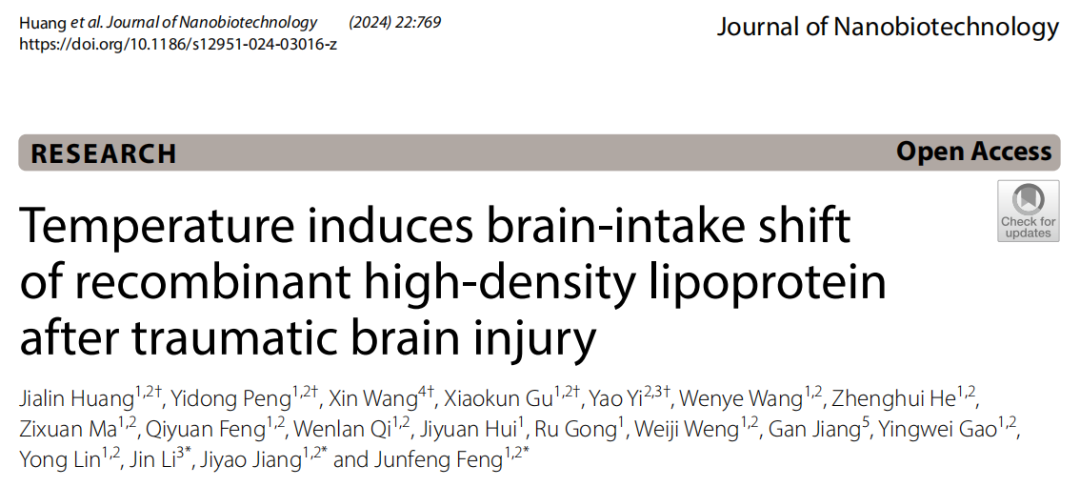
Professor Junfeng Feng’s team at Renji Hospital Neurosurgery, Shanghai Jiao Tong University School of Medicine, recently published “Temperature Induces Brain-intake Shift of Recombinant High-density Lipoprotein after Traumatic Brain Injury” online in Journal of Nanobiotechnology (Chinese Academy of Sciences category 1; impact factor 10.6). It examines how therapeutic hypothermia at 33°C and pathological hyperthermia at 39°C affect brain transport and neural-cell uptake of the neuroprotective recombinant high-density lipoprotein (rHDL) after TBI, offering a perspective for individualised treatment research.
TBI is a major global public health problem. Therapeutic hypothermia is often used in severe TBI, while pathological fever is also common. How these clinically encountered temperature changes affect neuroprotective drug transport, uptake by different brain cells and molecular mechanisms has been unclear. Jiyao Jiang and Junfeng Feng led the Shanghai Institute of Head Trauma, Renji Neurosurgery and collaborators in investigating the question.
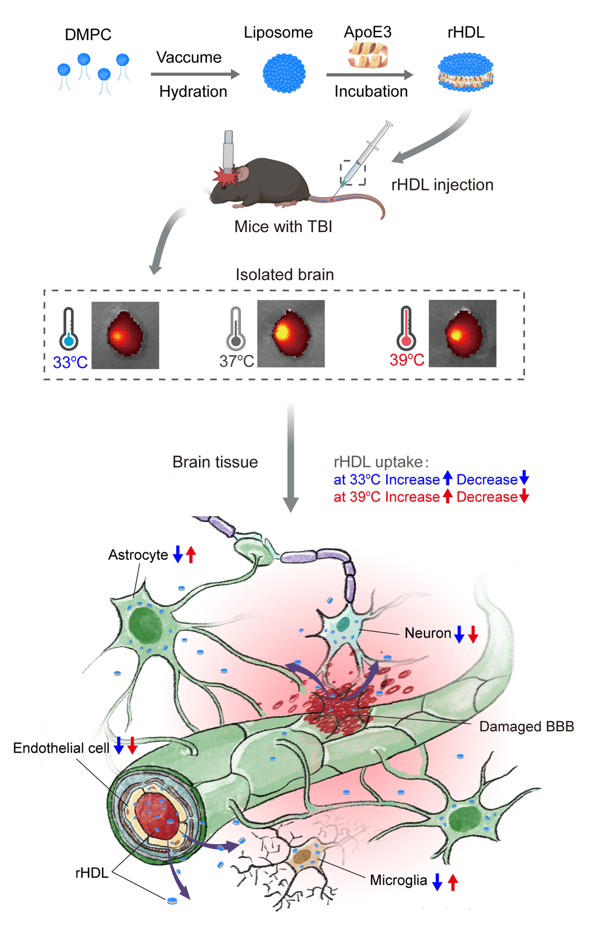
The team selected rHDL as a model drug because of its anti-inflammatory and antioxidant activity and BBB penetration. In controlled cortical injury mice, both hypothermia and hyperthermia reduced brain transport and injury-region targeting. Hypothermia suppressed uptake by endothelial cells, neurons, microglia and astrocytes. Hyperthermia suppressed endothelial and neuronal uptake but increased microglial and astrocytic uptake. Molecular studies showed that temperature alters LDLR and LDLR-related protein 1 (LRP1) stability, changing rHDL uptake efficiency.
The study provides a comprehensive account of temperature-dependent brain uptake and its mechanisms after TBI, relevant to coordinating medicines and temperature management in personalised care. Feng said: “TBI and many neurological diseases involve combinations of physical interventions and chemical medicines. This study reminds us to consider temperature management. Understanding how temperature affects neuroprotective transport and cell uptake may guide more precise drug adjustments to improve final treatment effects.”
Junfeng Feng is corresponding author; Jiyao Jiang and Jin Li are co-corresponding authors. Assistant researcher Jialin Huang is first author; master’s student Yidong Peng, resident Xin Wang, doctoral student Xiaokun Gu and master’s student Yao Yi are co-first authors.
Corresponding author
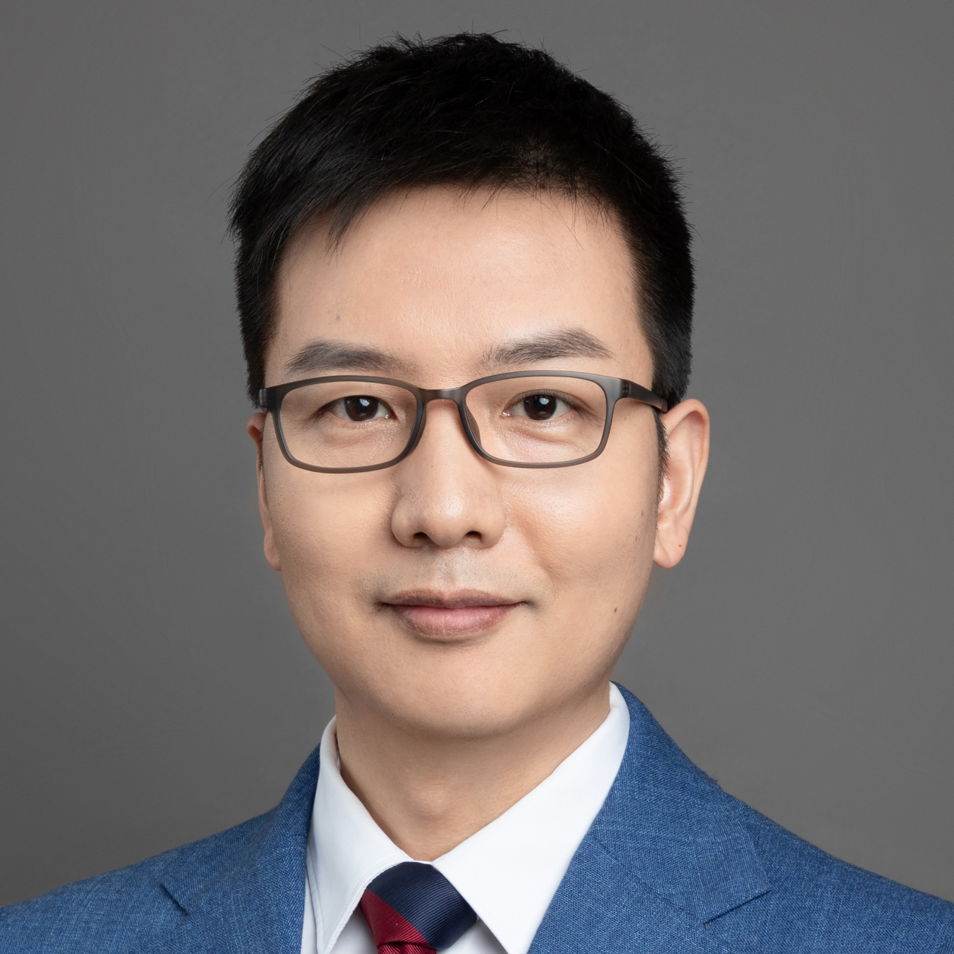
Junfeng Feng — Chief Physician
Renji Hospital, Shanghai Jiao Tong University School of Medicine
Chief physician, research professor and doctoral supervisor; Director of Renji Neurosurgery; Deputy Director of the Shanghai Institute of Head Trauma; member of a working group of the Chinese Medical Association’s Trauma Society; deputy head of the trauma working group of the Shanghai Medical Association’s Neurosurgery Society; committee member and secretary of the Shanghai Medical Doctor Association’s Neurosurgery Division.
His honours include the Wang Zhongcheng Chinese Young Neurosurgeon Award, the Innovation Award of the Wang Zhengguo Trauma Medicine Award, the Shanghai Silver Snake Award, Shanghai Outstanding Academic Leader (Young) and Shanghai Outstanding Young Medical Talent.
He focuses on clinical surgery and comprehensive treatment for TBI and neurocritical illness, and studies brain protection and neural repair and regeneration. He has received five National Natural Science Foundation grants, holds 20 granted patents and has published over 30 SCI-indexed papers.
Professor Junfeng Feng
First author
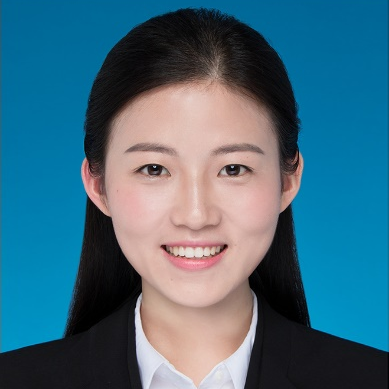
Jialin Huang — Assistant Researcher, Renji Hospital, Shanghai Jiao Tong University School of Medicine
Master’s and doctoral degrees from Shanghai Jiao Tong University School of Medicine. As first or co-first author, she has published multiple SCI-indexed papers in Advanced Materials, Cell Death and Differentiation, ACS Applied Materials & Interfaces, Advanced Science and Nature Communications.
Copyright notice: Intellectual property in content published by BrainMed’s Neurosurgery News, Neurointerventional News, Brain Medical Consultation and AiBrain belongs to BrainMed, the organisers, original authors and other rights holders. Republishing, excerpting, copying, cropping or recording without permission is prohibited. Authorised use must acknowledge the source. Forwarding and sharing are welcomed.
近日,上海交通大学医学院附属仁济医院神经外科冯军峰教授团队在国际知名期刊《Journal of Nanobiotechnology》(中科院一区,IF 10.6)在线发表了题为“Temperature Induces Brain-intake Shift of Recombinant High-density Lipoprotein after Traumatic Brain Injury”的研究成果。该研究揭示了颅脑创伤(TBI)后治疗性低温(33℃)和病理性高热(39℃)对脑损伤后神经保护剂重组高密度脂蛋白(rHDL)脑部运输和神经细胞摄取的影响,为TBI的临床个体化精准治疗提供了新视角。
颅脑损伤(TBI)是全球主要的公共卫生问题之一。治疗性低温(therapeutic hypothermia)在重度TBI患者中常被使用;TBI患者本身常伴有病理性的高热反应。这些临床实际中常出现的温度变化,对于脑保护药物在受损大脑中的运输影响、各种神经细胞摄取情况及其分子机制,尚不明确。为此,上海交通大学医学院附属仁济医院江基尧教授、冯军峰教授带领上海市颅脑创伤研究所、仁济医院神经外科及相关合作团队,首先开展了相关研究。
在这项研究中,研究者选择了具有抗炎、抗氧化活性以及能够穿透血脑屏障(BBB)的重组高密度脂蛋白(rHDL)作为模型药物。研究发现,亚低温和病理性高热均会降低rHDL在控制性皮质损伤小鼠模型中的脑部运输和病变区域靶向能力。研究也发现,亚低温抑制内皮细胞、神经元、小胶质细胞和星形胶质细胞对rHDL的摄取;病理性高热抑制内皮细胞和神经元对rHDL的摄取,却能促进小胶质细胞和星形胶质细胞对其摄取。相关分子机制研究发现,温度通过调节了低密度脂蛋白受体(LDLR)和LDLR相关蛋白1(LRP1)的稳定性,从而改变神经细胞对rHDL的摄取效率。
神经保护剂rHDL的制备及温度对颅脑创伤(TBI)后rHDL脑部转运的影响
这项研究首次全面报道了颅脑创伤后体温改变对rHDL在脑内摄取的变化及分子机制。这对于协调药物治疗和温度管理在个体化和精准医疗中的应用具有重要意义。冯军峰教授表示:“颅脑创伤及许多神经疾病的救治过程中,都会涉及到物理因素和化学药物的综合应用。本项研究提醒了TBI治疗中考虑温度管理的重要性。通过理解温度如何影响神经保护剂的运输和细胞摄取,将会指导我们更精确地调整药物治疗方案,以期提高最终的治疗效果。”
上海交通大学医学院附属仁济医院冯军峰教授为通讯作者,江基尧教授和李劲教授为共同通讯作者,黄佳琳助理研究员为第一作者,彭亦东硕士研究生、汪鑫住院医师、顾晓坤博士研究生、伊遥硕士研究生为本研究的共同第一作者。
通讯作者简介
冯军峰 主任医师
上海交通大学医学院附属仁济医院
主任医师、研究员、博士研究生导师
上海交通大学医学院附属仁济医院神经外科主任
上海市颅脑创伤研究所副所长
中华医学会创伤学分会学组委员
上海市医学会神经外科分会创伤学组副组长
上海市医师协会神经外科分会委员兼秘书
获王忠诚中国神经外科青年医师奖、王正国创伤医学奖创新奖、上海市银蛇奖、上海市优秀学术带头人(青年)、上海市杰出青年医学人才
专注于颅脑创伤、神经重症相关临床手术及综合救治,开展脑损伤保护和神经修复再生研究。获国家自然科学基金5项、授权专利20项、发表30余篇SCI论文
冯军峰 教授
第一作者简介
黄佳琳 助理研究员
上海交通大学医学院附属仁济医院
上海交通大学医学院硕士、博士
以第一或共同第一作者在Advanced Materials、Cell Death and Differentiation、ACS Applied Materials & Interfaces、Advanced Science、Nature Communications等SCI杂志发表论文多篇
声明:脑医汇旗下神外资讯、神介资讯、脑医咨询、AiBrain所发表内容之知识产权为脑医汇及主办方、原作者等相关权利人所有。未经许可,禁止进行转载、摘编、复制、裁切、录制等。经许可授权使用,亦须注明来源。欢迎转发、分享。