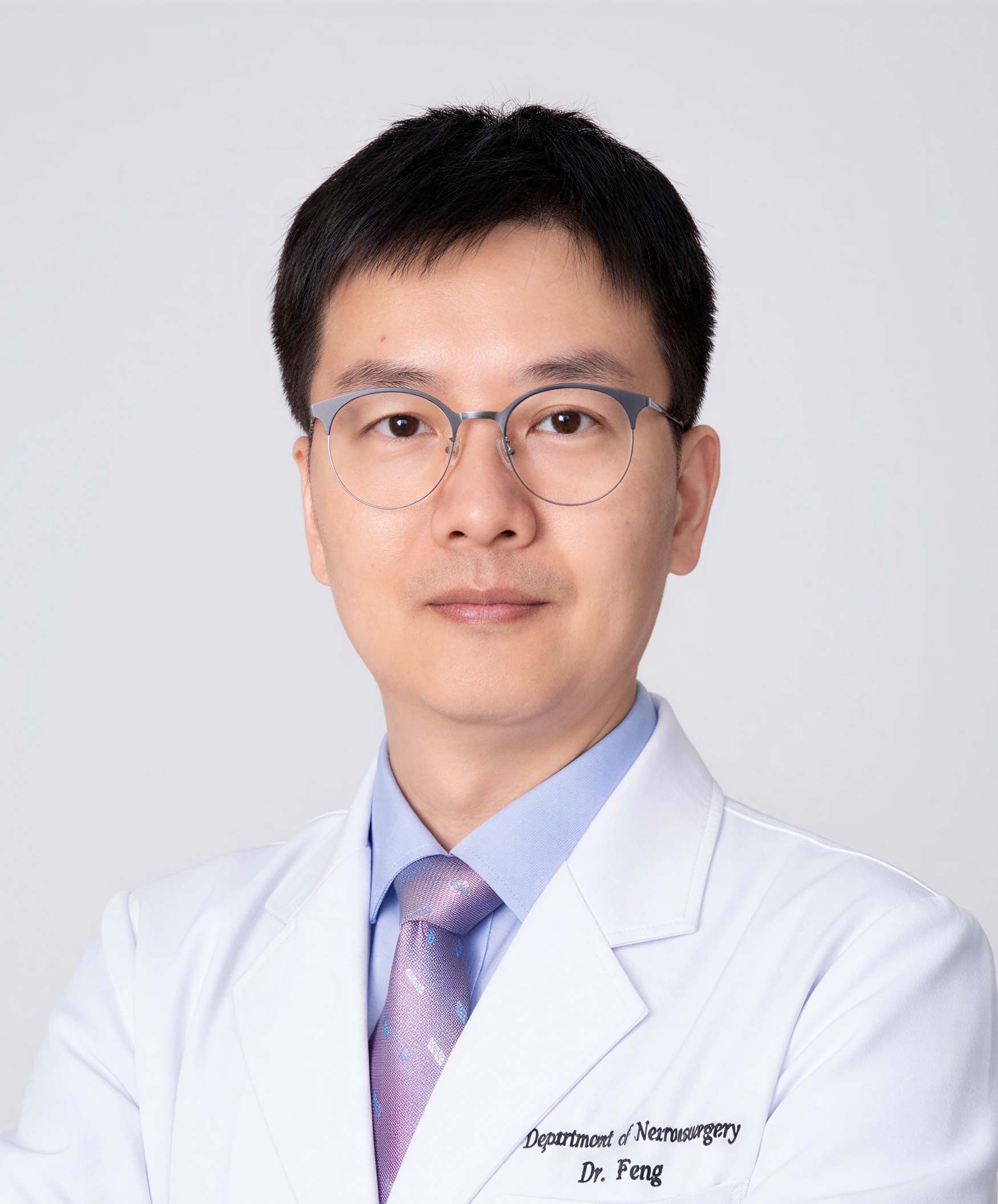
Junfeng Feng
Chief Physician · Researcher · Doctoral Supervisor
Renji Hospital, Shanghai Jiao Tong University School of Medicine
- Director, Department of Neurosurgery
- Director, Brain Injury Center
- Deputy Director, Shanghai Institute of Head Trauma
Members
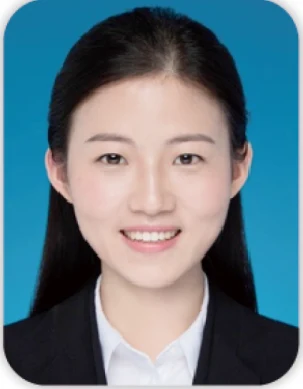
Jialin Huang
Develops biomimetic nanocarriers for delivering protein therapeutics to the brain.

Yingwei Gao
Studies how endothelial energy metabolism relates to brain oedema after traumatic brain injury.
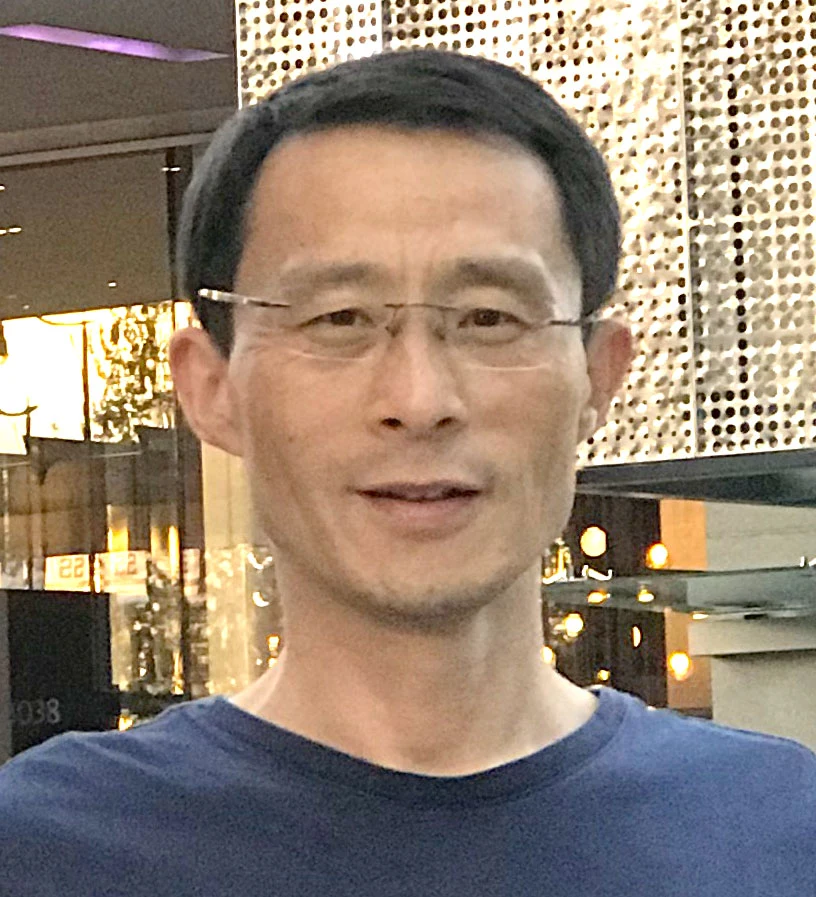
Yong Lin
Contributed to preclinical research on ferroptosis after traumatic brain injury.

Weiji Weng
Studies how TUFM lactylation regulates mitophagy and neuronal death after traumatic brain injury.

Zhenghui He
Studies how autophagy affects neural stem cell differentiation after traumatic brain injury.

Yuhan Han
Investigates injectable hydrogels for local cooling and neuroprotection in preclinical brain injury models.
Research directions
Clinical decisions
Which surgical and critical care strategies improve recovery after severe traumatic brain injury?
-
PREDICT-AEDH: Surgery for acute epidural haematoma
The Lancet Neurology · 2026
For adults with large acute epidural haematoma and tentorial herniation, decompressive craniectomy did not improve six-month functional outcomes compared with standard craniotomy, and delayed intracranial haemorrhage was more frequent.
Read original article -
LTH-1: Prolonged mild hypothermia
eClinicalMedicine · 2021
In the LTH-1 trial of adults with severe traumatic brain injury and raised intracranial pressure, five days of mild hypothermia did not significantly improve six-month neurological outcomes overall compared with normothermia.
Read original article
Secondary brain injury
How can we limit the damage caused by inflammation after brain injury?
-
Hydrogel delivery targeting microglia
Journal of Nanobiotechnology · 2025
In mice with traumatic brain injury, local delivery of a CSF-1R inhibitor via an antioxidant hydrogel reduced neuroinflammation and improved measures of neurological recovery.
Read original article -
Responsive hydrogel for oxygen and energy metabolism
Biomaterials · 2024
In cell and animal experiments, a hydrogel designed to scavenge reactive oxygen species and release 2-deoxyglucose reduced neuroinflammation, oedema and neuronal apoptosis after traumatic brain injury.
Read original article
Neural repair
How can we promote neural repair after traumatic brain injury?
-
Targeted delivery of nerve growth factor
Advanced Science · 2025
In a mouse model of traumatic brain injury, a biomimetic lipoprotein carrying nerve growth factor improved performance on tests of motor function, spatial learning and memory.
Read original article -
Subacute brain extracts and neural stem cell differentiation
Journal of Clinical Medicine · 2022
In vitro, extracts from the injured brains of mice at the subacute stage promoted neuronal differentiation of human neural stem cells more than acute-stage extracts, and experiments manipulating autophagy supported its role in that response.
Read original article
Publications
The Lancet Neurology · 2026
PREDICT-AEDH: Surgery for acute epidural haematoma
Decompressive craniectomy did not improve six-month functional outcomes and increased delayed intracranial haemorrhage in the population studied.
DOI 10.1016/s1474-4422(26)00143-2eClinicalMedicine · 2021
LTH-1: Prolonged mild hypothermia
The overall comparison found no significant improvement in six-month neurological outcomes.
DOI 10.1016/j.eclinm.2021.100732Journal of Nanobiotechnology · 2025
Hydrogel delivery targeting microglia
Local delivery of a CSF-1R inhibitor using an antioxidant hydrogel reduced inflammation at the injury site and improved measures of neurological recovery in mice.
DOI 10.1186/s12951-025-03682-7Advanced Science · 2025
Targeted delivery of nerve growth factor
The carrier crossed the blood–brain barrier and accumulated near the injury in a mouse model. The study found greater neuronal survival and better recovery on tests of motor function and spatial learning and memory.
DOI 10.1002/advs.202509405